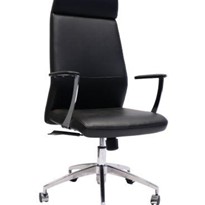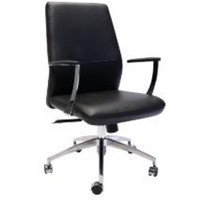

Work often takes place at variable heights, angles and on different surfaces.
Choose the most stable, flexible and durable combination for your essential tasks. Versatility is important where seating is shared by different workers in multi-shift operations. A large range of adjustability is more important in factory seating than office seating.
What adjustability?
All chairs should be height adjustable.
Other desirable feature include tilt adjustment of the seat pan, especially for forward leaning or sit-stand applications.
Forward leaning often requires support for fine control.
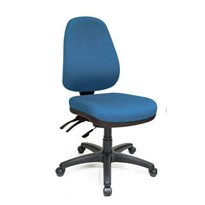
The chair back rest should be adjustable with the ability to tilt forward to support workers leaning forward.
The back rest also must have sufficient lumbar support.
Where high work benches are used, care needs to be taken with chair balance.
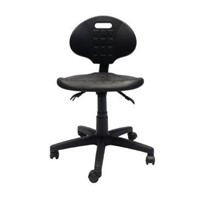
Foot rings should be supplied and the overall degree of adjustability limited on high perch (drafting) chairs. Normally a medium height back rest only is fitted to chairs designed for higher working surfaces.
What floor surface?
The right base for a chair is essential.
Normal rolling castors are usually suitable for carpet only.
Soft (brake unloaded) castors are ideal for hard floors, allowing the chair to remain stable until a person sits on it; they can then roll the chair.
Glides (fixed feet) are recommended where no movement is desired.
Other options include brake loaded castors (movement with no weight,locked on sitting) and ESD anti static castors.
How much cleaning?
Cleaning requirements vary widely.
Our polyurethane chairs may be cleaned with ethanol.
Medical grade vinyl upholstery is also available.
The requirement for a tough chair needs to be balanced against user comfort.
A range of softer, but still durable polyurethane mouldings are available.