

Step one: Keep the floor clean:
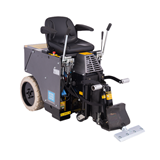
- Clean the floor surface daily using an effective floor scrubber. Many different sizes are available to suit many different applications
- Frequently dust more the floor (especially painted floors) to remove loose soil and dust build-up. never use dust mop treatments or chemicals that could increase the slip hazard
- Immediately clean up all spills, liquids, broken materials and puddles without delay following a spill or incident
- Report and repair all damaged flooring immediately
Step two: educate the appropriate personnel:
- Hold regular tool box meetings regarding floor safety. Informal all personnel of hazards associated with slippery floors and how they can assist in keeping workplace floors safer
- Identify all high risk floor surface areas. Inform all personnel to use extra caution in these areas
- Ensure lighting is sufficient on floor areas where a higher risk is present
- Assign a team member to floor safety on every shift
- Report all accidents, near misses, high risk areas and damaged flooring and safety concerns that arise immediately
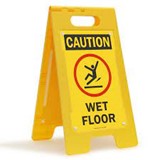
- Implement descriptive floor warning signs
- Inform personnel that most slips and falls occur during the busy hours
- Provide adequate floor matting
Step three: train all maintenance personnel:
- Train floor maintenance personnel to maintain floors for safety as well as appearance and use of floor scrubbing machines
- Teach the importance of using the appropriate caution or wet floor signs when floors are being cleaned or scrubbed
- Instruct floor car personnel to follow all floor maintenance procedures and to give extra emphasis on high risk areas
- Provide instructional floor maintenance and safety charts and insist that all procedures be followed carefully. Post these signs in appropriate locations
- Don’t allow horseplay or tomfoolery at any time in the workplace
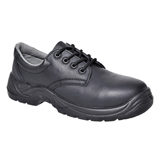
- Insist that safe footwear be worn at all times
Step four: inspect and document results:
- Develop a simple written floor inspection and maintenance program
- Create and use a one-page inspection form or checklist. Include sections to identify and report damaged flooring, protruding nails, holes, cracked tiles, slippery conditions and accidents and near accidents, spills and debris
- Conduct and record regular workplace floor inspections
- Promptly repair and correct floor damage or slippery conditions to reduce potential slip
- Communicate potential slip and fall risks to your WPHS co-ordinator
Step five: do’s and don’t:
- Do stress and insist on good housekeeping
- Do provide and ongoing floor safety training program for all new and existing personnel and staff
- Do provide readily located absorbent materials for quick response to spills and slip hazards
- Don’t wax or seal concrete floors if possible
- Don’t allow running or horseplay on workplace floor areas
- Don’t allow use of greasy or dirty mops or rags to clean spills on floors
Floor safety programs pay major benefits
An effective and efficient slip and fall prevention program provides several important benefits
Greatly reduces the risks and potentials for serious slips and falls in the workplace:
- Reduces opportunities and likelihood of accidents caused by slips and falls
- Avoids high worker compensation costs
Provides a permanent and effective floor safety program:
- Improves your corporate image and relationship with insurance companies, work place safety authorities and improves your image to your customers
- May encourage better insurance rates
Improves floor safety, cleanliness and sanitation:
- Satisfies health and sanitation authorities and WPHS requirements
- Provides a safer working environment for your staff and visitors
- Promotes a better company image to customers, potential customers and personnel