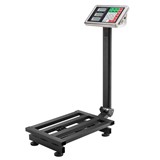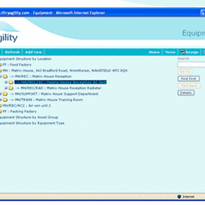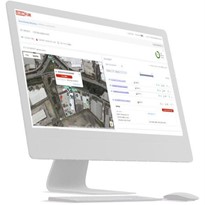


Look around — you're literally surrounded by assets. Some might be static, like desks and chairs, but others move around, like audio visual equipment and laptops on loan.
If you're responsible for your assets, but you can't instantly and accurately list "what's where" or with whom, or easily access important information like safety check dates and warranty information, or even tell whether your assets are being pilfered, you need to consider an Asset Management System.
Why having an asset register is important
Companies, institutions and government departments are starting to realise the benefits of managing their assets using dedicated Asset Management software. In the past, organisations have not been keeping proper records of their assets, or have only managed them with modest levels of information that was manually recorded or on basic computer systems.
The environment and recording requirements in which assets operate have changed, so the need to properly record your assets has become more pronounced, and the information necessary to manage your assets has also become more complex.
These increases in demands have not always been matched with an increase in resources to manage the Asset Register, so the need for an efficient, effective, and automated system has become apparent.
The different ways of managing your assets
Managing assets could be done by hand on paper, although that isn't a very usable or efficient option, as typically there are thousands of assets in a small to medium organisation. It also rarely allows access to an instant and accurate list of an organisation's assets.
Computerised asset registers could be created using a spreadsheet program such as Microsoft Excel, however that is not an efficient system either. Manual asset management also leaves an organisation wide open to theft. The most versatile solution is dedicated Asset Tracking software, often with barcoded asset tags and portable barcode reading equipment.
- How to use barcodes to track your assets
- Asset labels and labelling - don't get it wrong
- Implementing an equipment asset register
By investing in asset tracking software, businesses, organisations and government departments are better able to keep in control of their assets.
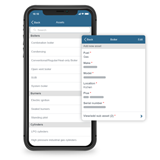
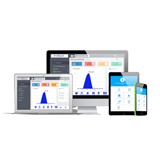
Data technology solutions now include portable barcode readers which simplify and speed up the asset identification process and enable easy tracking of warranty and safety inspection dates. Such systems can provide built in barcode label printing for assets, locations and borrowers thereby enabling easy tracking of loaned items.
A company is then able to audit its asset inventory periodically through the use of portable barcode readers. The more sophisticated automated asset management processes enable staff responsible for this area to carry a complete asset database in the palm of their hand thereby allowing in-field repositioning of assets and collection of other asset data.