
Cable Management System in Adelaide

Join industrial buyers comparing supplier quotes and buying with confidence. Free, quick and easy.
How IndustrySearch works
Tell us what you need
Answer a few quick questions about the equipment you're looking for.
Get personalised quotes
Receive tailored quotes from relevant Australian suppliers.
Compare and choose
Compare quotes, ask questions and choose the best option for you.
 Save time
 Compare quotes
 Buy with confidence
Save time, compare quotes & buy with confidence
Cable Management System Suppliers in Adelaide

Makken is an Cable Management System supplier to All
MAKKEN – Sheet Metal Machinery Solutions Over 25 Years of Industry Experience | Melbourne, Australia MAKKEN is a Melbourne-based sheet metal machinery company with over 25 years of industry experience, specializing in roll forming machines and sheet metal processing equipment. Our machines are used by many top companies, including BEST SHEDS, SRSC and MECANO, supporting ...

NPA is an Cable Management System supplier to Adelaide
Major product lines distributed by NPA include: Heyco Products Inc. offers an extensive selection of strain relief bushings, insulating bushings, nylon hole plugs, liquid tight fittings, cable clips and clamps, IEC connectors, wire positioning and terminating products. Keystone Electronics Corp offers battery holders, fuse clips and holders, micro pins and micro jacks, ...


SafeRack LLC is an Cable Management System supplier to All
SafeRack's engineered solutions for fall protection and terminal products are one of the main reasons why companies are using our expertise all over the world including Australia. SafeRack invests in cutting-edge engineering, as well as the tools and personnel to support it to deliver the best solutions to our customers. · Saves Time & Money - Our tools allow you to develop ...

- The purpose of a cable management system is to reduce clutter, improve safety, and make it easier to locate and access cables when needed. It also prevents tripping hazards and helps to prolong the lifespan of cables by reducing stress and strain.
- Cable trays: These are metal or plastic trays that provide support and protection for cables and wires. They are commonly used in industrial and commercial settings.
- Cable ducts: These are channels that run along walls or floors and are used to conceal and protect cables.
- Cable ties: These are plastic or nylon ties used to bundle and secure cables together.
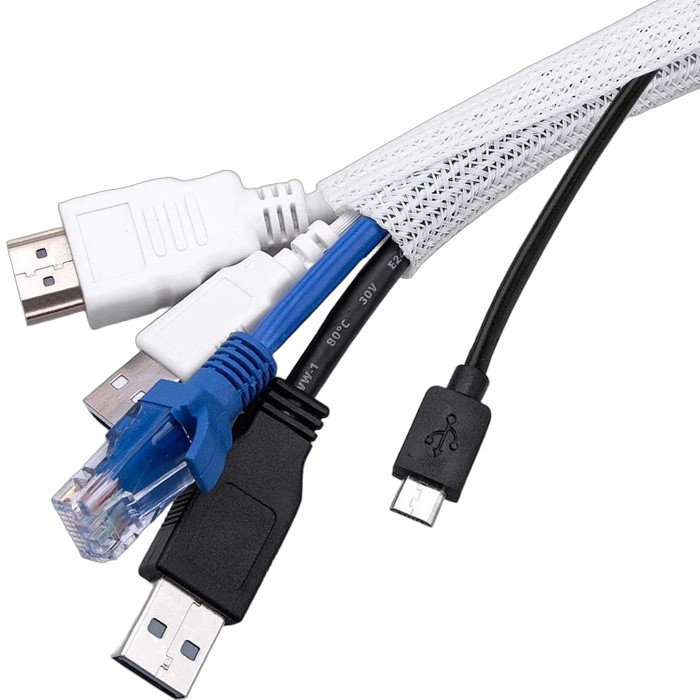
- Cable sleeves: These are flexible tubes used to organize and protect cables from damage.
- Cable labels: These are labels used to identify and organize cables for easy identification.
- Cable raceways: These are enclosed channels used to hide and protect cables in residential and commercial settings.
- Cable conduits: These are tubes used to protect and route cables in buildings and infrastructure projects.
- Cable clips: These are clips used to secure cables to walls, ceilings, or other surfaces.
- Cable wraps: These are flexible straps used to bundle and organize cables and wires.
- Here are some key considerations to help you select the right cable management system for your needs:
- Cable type and size: Consider the types of cables you need to manage, such as power cords, Ethernet cables, HDMI cables, and audio cables. Also, consider the size of the cables and the number of cables you need to organize.
- Cable length: Determine the length of the cables you need to manage, as this will help you select the appropriate length and type of cable management system.
- Environment: Consider the environment where the cables will be used, such as an office, home entertainment system, or industrial setting. This will help you select a cable management system that can withstand the conditions of the environment.
- Accessibility: Determine how easy it needs to be to access and move cables in the system. Some cable management systems are designed to be easily adjustable, while others are more permanent.
- Aesthetics: Consider the appearance of the cable management system and how it will blend into the surrounding environment. Some cable management systems are designed to be inconspicuous, while others are intended to be visually appealing.
- Budget: Determine how much you are willing to spend on a cable management system. There are many options available, ranging from simple cable ties to complex cable trays, so you can choose the system that fits your budget.
- Improved safety: A cable management system reduces the risk of tripping over cables and prevents damage to cables, which can lead to electrical hazards.
- Increased productivity: Organized cables can make it easier to locate and access specific cables, reducing the time and effort required to troubleshoot or make changes.
- Enhanced aesthetics: A cable management system keeps cables hidden and out of sight, creating a more professional and clutter-free workspace.
- Longer lifespan of cables: Cable management systems prevent cables from being damaged by being tangled or pulled, which can lead to longer lifespan of your cables.
- Improved airflow: By keeping cables organized and off the ground, a cable management system can improve airflow and prevent overheating of devices.
- Plan the layout: Determine where your cables will be routed and where the cable management system will be installed. Take into consideration the length of cables and the placement of devices.
- Choose the right system: There are a variety of cable management systems available, including cable trays, raceways, and sleeves. Choose the one that best fits your needs.
- Gather tools: You will need a drill, screws, a measuring tape, and a level.
- Install brackets: If using a tray or raceway, install the brackets first. Use a measuring tape and level to ensure they are level and evenly spaced. Then, drill holes and secure the brackets with screws.
- Install cable management system: Once the brackets are installed, attach the cable management system to the brackets. This may involve snapping it into place or using screws.
- Route cables: Carefully route your cables through the cable management system, securing them in place with cable ties or clips.
- Test the system: Make sure your cables are properly routed and the system is functioning as intended.
- Tripping hazard: Cable management systems can create tripping hazards if not installed correctly or if cables are not secured properly. Make sure to follow installation instructions and secure all cables.
- Electrical shock: If cables are not properly insulated or if there is damage to the cable jacket, it can result in electrical shock. Always inspect cables before installation and replace any damaged cables.
- Structural stability: Heavy cable management systems can put strain on the walls or ceiling where they are installed, potentially causing damage or collapse. Ensure that the system is installed correctly and can handle the weight of the cables being managed.
- Accessibility: Cable management systems that obstruct access to emergency exits or firefighting equipment can be dangerous in the event of an emergency. Ensure that the system is installed in a way that allows easy accessibility in case of an emergency.
- Underestimating the number of cables: It is important to accurately count the number of cables that need to be managed to avoid purchasing a cable management system that is too small.
- Not considering the types of cables: Different types of cables require different types of management systems. For instance, power cables require different management systems than data cables.
- Not planning for future expansion: It is important to consider future cable needs when purchasing a management system to avoid having to replace it in the future.
- Not properly labeling cables: Proper labeling of cables is essential to ensure easy identification and maintenance.
- Failing to secure the cables: Cables should be securely fastened to the management system to avoid potential hazards such as tripping or damage to the cables.
- Not allowing for proper airflow: A cable management system should allow for proper airflow to prevent overheating of devices and equipment.
Cable Management System Costs and Supplier Insights
If you are looking to buy a Cable Management System for sale, suppliers on IndustrySearch include Makken
Why choose a supplier in Adelaide for Cable Management System Quotes?
If you are in Adelaide and considering purchasing a Cable Management System, it's worth considering Adelaide-based suppliers. Doing so offers several benefits that are particularly relevant to businesses in the area. Here are the top reasons why opting for a local Adelaide supplier can be the best decision for your Cable Management System buying needs.
Continuous Support for Your Cable Management SystemGet continuous support for your Cable Management System needs from Adelaide's local suppliers. Ongoing help ensures your equipment performs at its best.
Supporting Sustainable Cable Management System Suppliers in AdelaideSupport local and sustainable Cable Management System suppliers. Their commitment to eco-friendly production aligns with responsible corporate practices.
Streamlined Supply Chain with Adelaide SuppliersStreamline your supply chain by choosing Cable Management System suppliers in Adelaide. Local sourcing simplifies logistics and speeds up your operations.
Personalised Cable Management System ConfigurationsBenefit from personalised Cable Management System configurations available exclusively through select local suppliers.
Innovate Faster with Suppliers in AdelaideInnovate faster and more effectively with local Cable Management System suppliers. Being close to the source of new developments gives you a competitive edge.
Local Suppliers are the Key to Supply Chain StrengthMake local Cable Management System suppliers in Adelaide key your supply chain strength. Depend on them for quick replenishments and steady supplies.
Buy a Cable Management System Near Me
Cable Management System for sale in Adelaide
Cable Management System for sale in Melbourne
Cable Management System for sale in Perth
Cable Management System for sale in Hobart
Cable Management System for sale in Brisbane
Cable Management System for sale in Darwin
Cable Management System Articles & Reviews


 Reach valuable industrial buyers in minutes
 Promote key products & content
 Drive cost effective & measurable sales