
Diaphragm Valves in Perth

Join industrial buyers comparing supplier quotes and buying with confidence. Free, quick and easy.

How IndustrySearch works
Tell us what you need
Answer a few quick questions about the equipment you're looking for.
Get personalised quotes
Receive tailored quotes from relevant Australian suppliers.
Compare and choose
Compare quotes, ask questions and choose the best option for you.
 Save time
 Compare quotes
 Buy with confidence
Save time, compare quotes & buy with confidence
Diaphragm Valves Suppliers in Perth

Dual Valves Australasia is an Diaphragm Valves supplier to Perth
Dual Valves Australasia Pty Ltd is a specialist mining valve and pipe coupling supplier dedicated to providing rugged industrial quality slurry and mine water valve products that are safe and simple to operate whilst offering excellent performance and value for our customers. We are the exclusive Original Equipment Manufacturer representative for DUAL Products Intl (SA) cc in ...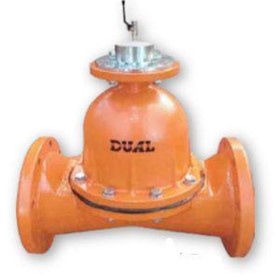
Dual Pneumatic Diaphragm Valve (DPDV)
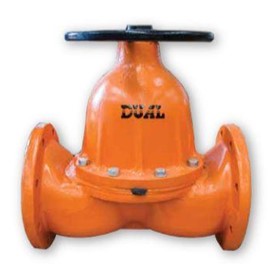
Dual Straight Through Diaphragm Valve (DSTDV)

Sepak Industries is an Diaphragm Valves supplier to All
SEPAK INDUSTRIES Pty Ltd is a fully owned Australian Company located in South West of Sydney. Sepak Industries specialises in Engineering Process Design, Stainless steel Fabrication, Hygienic and Aseptic Stainless steel fluid handling components including Pumps, Valves, Portable Agitators, Plate Heat Exchangers, Tube in Tube heat Exchangers. Other product range include High ...

- Weir Type Diaphragm Valve: This valve has a raised weir design that allows for better flow control and prevents clogging.
- Straightway Diaphragm Valve: This valve has a straight-through flow path that allows for easy cleaning and maintenance.
- Three-Way Diaphragm Valve: This valve has three ports, one for inlet and two for outlet, which allows for versatile flow control.
- Lined Diaphragm Valve: This valve has a lining made of materials such as PTFE, which provides excellent resistance to corrosion and abrasion.
- Plastic Diaphragm Valve: This valve is made of plastic materials such as PVC, CPVC, and PVDF, which provide excellent chemical resistance.
- Metal Diaphragm Valve: This valve is made of metal materials such as stainless steel, which provides excellent durability and resistance to high temperatures and pressure.
- Versatility: Diaphragm valves can be used with a wide range of fluids, including corrosive and abrasive fluids. They are also suitable for high-purity applications.
- Low maintenance: Diaphragm valves have few moving parts, which means there is less wear and tear, and they require less maintenance than other types of valves.
- Tight shut-off: Diaphragm valves provide a tight shut-off, which means they can prevent leaks and cross-contamination.
- Easy to operate: Diaphragm valves are simple to operate, with just a handle or actuator that moves the diaphragm up and down to control the flow of fluid.
- Cost-effective: Diaphragm valves are typically less expensive than other types of valves, making them a cost-effective solution for many applications.
- Here are some key considerations to keep in mind when selecting a diaphragm valve:
- Material: Diaphragm valves are available in a variety of materials, including stainless steel, plastic, and rubber. The material you choose will depend on the type of fluid or gas you are transporting, as well as the temperature and pressure conditions of your system. Make sure to choose a material that is compatible with the fluid or gas you are handling.
- Size: Diaphragm valves are available in a range of sizes, from small valves used in laboratory settings to large valves used in industrial applications. Make sure to choose a valve that is the appropriate size for your system, taking into account the flow rate and pressure requirements.
- Operating conditions: Consider the temperature and pressure conditions of your system when selecting a diaphragm valve. Some valves are designed for high-pressure applications, while others may not be suitable for use at high temperatures.
- Type of diaphragm: There are several types of diaphragms available, including rubber, Teflon, and metal. The type of diaphragm you choose will depend on the type of fluid or gas you are handling, as well as the temperature and pressure conditions of your system.
- Control requirements: Some diaphragm valves are designed for precise control of flow rates, while others are designed for on/off applications. Consider the level of control you require when selecting a diaphragm valve.
- Installation:
- Choose the appropriate size and type of diaphragm valve for your application.
- Check the compatibility of the valve with the fluid being transported. Diaphragm valves are typically made of materials such as PVC, CPVC, PP, PVDF, and stainless steel.
- Install the valve in the correct orientation, following the manufacturer’s instructions.
- Connect the valve to the pipe using the appropriate fittings.
- Test the valve for leaks and proper operation before putting it into service.
- Maintenance:
- Regularly inspect the valve for signs of wear or damage, such as cracks or tears in the diaphragm.
- Clean the valve periodically to remove any buildup of solids or debris.
- Lubricate the valve as recommended by the manufacturer.
- Replace the diaphragm as needed, typically every 6 to 12 months depending on the application.
- Check the valve’s performance periodically to ensure that it is operating within the desired parameters.
- Leakage: Leakage can occur due to several reasons such as a damaged diaphragm, loose bolts, or worn out seals. To solve this problem, you need to replace the damaged parts or tighten the bolts.
- Clogging: Clogging can occur due to impurities in the fluid or debris in the valve. To solve this problem, you need to clean the valve thoroughly and remove any obstructions.
- Sticking: Sticking can occur due to the buildup of deposits or corrosion on the valve components. To solve this problem, you need to clean the valve components and apply a lubricant to prevent further sticking.
- Failure to open or close: This can occur due to several reasons such as a damaged actuator, faulty control system, or worn out components. To solve this problem, you need to replace the damaged parts or repair the control system.
- Cracking or bursting: This can occur due to excessive pressure or temperature. To solve this problem, you need to ensure that the valve is rated for the required pressure and temperature and install safety measures such as relief valves.
Diaphragm Valves Costs and Supplier Insights
Why choose a supplier in Perth for Diaphragm Valves Quotes?
If you are in Perth and considering purchasing a Diaphragm Valves, it's worth considering Perth-based suppliers. Doing so offers several benefits that are particularly relevant to businesses in the area. Here are the top reasons why opting for a local Perth supplier can be the best decision for your Diaphragm Valves buying needs.
Custom Solutions from Perth SuppliersGet Diaphragm Valves solutions that meet your exact needs from local suppliers. Tailor-made products ensure maximum efficiency and satisfaction.
Ensuring Diaphragm Valves Quality with Perth SuppliersEnsure your Diaphragm Valves meets the highest quality standards with the expert guidance of Perth suppliers. Excellence in every detail.
Reduce CostsReduce operational costs by sourcing your Diaphragm Valves locally. Local suppliers can offer competitive pricing without the added expenses of long-distance logistics.
Better Operations with Training ProgramsEnhance your operations with specialised Diaphragm Valves training programs offered by Perth suppliers. Educate your staff on the latest techniques and safety protocols.
Advance Your Sustainability GoalsAdvance your sustainability goals by partnering with Diaphragm Valves suppliers. Local production lessens environmental impact and promotes greener operations.
Local Expertise for Diaphragm Valves Legal StandardsBenefit from local expertise in Diaphragm Valves legal standards in Perth. Stay ahead of regulatory changes with suppliers who focus on compliance.
Buy a Diaphragm Valves Near Me
Diaphragm Valves Articles & Reviews



 Reach valuable industrial buyers in minutes
 Promote key products & content
 Drive cost effective & measurable sales