
Diaphragm Valves in Melbourne

Join industrial buyers comparing supplier quotes and buying with confidence. Free, quick and easy.
How IndustrySearch works
Tell us what you need
Answer a few quick questions about the equipment you're looking for.
Get personalised quotes
Receive tailored quotes from relevant Australian suppliers.
Compare and choose
Compare quotes, ask questions and choose the best option for you.
 Save time
 Compare quotes
 Buy with confidence
Save time, compare quotes & buy with confidence
Diaphragm Valves Suppliers in Melbourne

Kim Diaphragm Valves is an Diaphragm Valves supplier to Melbourne
Kim Diaphragm Valves is a manufacturer and distributor of a wide variety of industrial valves. Our core business is corrosion and abrasion resistant flow control. Our foundation product range of Straight Through and Weir Type diaphragm valves is specified by instrumentation and mechanical engineers around the globe on the strength of a wide spread reputation for quality, ...
KDV Valves - Weir Type Diaphragm Valves
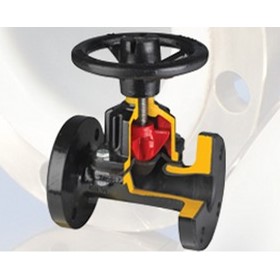
KDV Control Valve - Straight Through Type Diaphragm Valves

Sepak Industries is an Diaphragm Valves supplier to All
SEPAK INDUSTRIES Pty Ltd is a fully owned Australian Company located in South West of Sydney. Sepak Industries specialises in Engineering Process Design, Stainless steel Fabrication, Hygienic and Aseptic Stainless steel fluid handling components including Pumps, Valves, Portable Agitators, Plate Heat Exchangers, Tube in Tube heat Exchangers. Other product range include High ...

- Weir Type Diaphragm Valve: This valve has a raised weir design that allows for better flow control and prevents clogging.
- Straightway Diaphragm Valve: This valve has a straight-through flow path that allows for easy cleaning and maintenance.
- Three-Way Diaphragm Valve: This valve has three ports, one for inlet and two for outlet, which allows for versatile flow control.
- Lined Diaphragm Valve: This valve has a lining made of materials such as PTFE, which provides excellent resistance to corrosion and abrasion.
- Plastic Diaphragm Valve: This valve is made of plastic materials such as PVC, CPVC, and PVDF, which provide excellent chemical resistance.
- Metal Diaphragm Valve: This valve is made of metal materials such as stainless steel, which provides excellent durability and resistance to high temperatures and pressure.
- Versatility: Diaphragm valves can be used with a wide range of fluids, including corrosive and abrasive fluids. They are also suitable for high-purity applications.
- Low maintenance: Diaphragm valves have few moving parts, which means there is less wear and tear, and they require less maintenance than other types of valves.
- Tight shut-off: Diaphragm valves provide a tight shut-off, which means they can prevent leaks and cross-contamination.
- Easy to operate: Diaphragm valves are simple to operate, with just a handle or actuator that moves the diaphragm up and down to control the flow of fluid.
- Cost-effective: Diaphragm valves are typically less expensive than other types of valves, making them a cost-effective solution for many applications.
- Here are some key considerations to keep in mind when selecting a diaphragm valve:
- Material: Diaphragm valves are available in a variety of materials, including stainless steel, plastic, and rubber. The material you choose will depend on the type of fluid or gas you are transporting, as well as the temperature and pressure conditions of your system. Make sure to choose a material that is compatible with the fluid or gas you are handling.
- Size: Diaphragm valves are available in a range of sizes, from small valves used in laboratory settings to large valves used in industrial applications. Make sure to choose a valve that is the appropriate size for your system, taking into account the flow rate and pressure requirements.
- Operating conditions: Consider the temperature and pressure conditions of your system when selecting a diaphragm valve. Some valves are designed for high-pressure applications, while others may not be suitable for use at high temperatures.
- Type of diaphragm: There are several types of diaphragms available, including rubber, Teflon, and metal. The type of diaphragm you choose will depend on the type of fluid or gas you are handling, as well as the temperature and pressure conditions of your system.
- Control requirements: Some diaphragm valves are designed for precise control of flow rates, while others are designed for on/off applications. Consider the level of control you require when selecting a diaphragm valve.
- Installation:
- Choose the appropriate size and type of diaphragm valve for your application.
- Check the compatibility of the valve with the fluid being transported. Diaphragm valves are typically made of materials such as PVC, CPVC, PP, PVDF, and stainless steel.
- Install the valve in the correct orientation, following the manufacturer’s instructions.
- Connect the valve to the pipe using the appropriate fittings.
- Test the valve for leaks and proper operation before putting it into service.
- Maintenance:
- Regularly inspect the valve for signs of wear or damage, such as cracks or tears in the diaphragm.
- Clean the valve periodically to remove any buildup of solids or debris.
- Lubricate the valve as recommended by the manufacturer.
- Replace the diaphragm as needed, typically every 6 to 12 months depending on the application.
- Check the valve’s performance periodically to ensure that it is operating within the desired parameters.
- Leakage: Leakage can occur due to several reasons such as a damaged diaphragm, loose bolts, or worn out seals. To solve this problem, you need to replace the damaged parts or tighten the bolts.
- Clogging: Clogging can occur due to impurities in the fluid or debris in the valve. To solve this problem, you need to clean the valve thoroughly and remove any obstructions.
- Sticking: Sticking can occur due to the buildup of deposits or corrosion on the valve components. To solve this problem, you need to clean the valve components and apply a lubricant to prevent further sticking.
- Failure to open or close: This can occur due to several reasons such as a damaged actuator, faulty control system, or worn out components. To solve this problem, you need to replace the damaged parts or repair the control system.
- Cracking or bursting: This can occur due to excessive pressure or temperature. To solve this problem, you need to ensure that the valve is rated for the required pressure and temperature and install safety measures such as relief valves.
Diaphragm Valves Costs and Supplier Insights
Why choose a supplier in Melbourne for Diaphragm Valves Quotes?
If you are in Melbourne and considering purchasing a Diaphragm Valves, it's worth considering Melbourne-based suppliers. Doing so offers several benefits that are particularly relevant to businesses in the area. Here are the top reasons why opting for a local Melbourne supplier can be the best decision for your Diaphragm Valves buying needs.
Investing in Melbourne with Every Diaphragm Valves PurchaseEach purchase of a Diaphragm Valves from a supplier in Melbourne is an investment in its future. Help cultivate a thriving local business landscape.
Advance Your Sustainability GoalsAdvance your sustainability goals by partnering with Diaphragm Valves suppliers. Local production lessens environmental impact and promotes greener operations.
Economical Purchasing in MelbourneMake economical decisions by purchasing your Diaphragm Valves from Melbourne. Save on transport and import duties, reducing overall procurement costs.
Comprehensive Diaphragm Valves TrainingReceive comprehensive Diaphragm Valves training from experts. Local suppliers offer detailed training programs that enhance your team's skills and product knowledge.
Ensuring Diaphragm Valves Quality with Melbourne SuppliersEnsure your Diaphragm Valves meets the highest quality standards with the expert guidance of Melbourne suppliers. Excellence in every detail.
After-Sales Support for Diaphragm Valves in MelbourneAccess dependable after-sales support for your Diaphragm Valves with Melbourne suppliers. Local service means faster response times and more personal care.
Buy a Diaphragm Valves Near Me
Diaphragm Valves Articles & Reviews



 Reach valuable industrial buyers in minutes
 Promote key products & content
 Drive cost effective & measurable sales