
Safety Harness

Join industrial buyers comparing supplier quotes and buying with confidence. Free, quick and easy.




How IndustrySearch works
Tell us what you need
Answer a few quick questions about the equipment you're looking for.
Get personalised quotes
Receive tailored quotes from relevant Australian suppliers.
Compare and choose
Compare quotes, ask questions and choose the best option for you.
 Save time
 Compare quotes
 Buy with confidence
Save time, compare quotes & buy with confidence
Safety Harness & Fall Arrest Harness Suppliers
A safety harness is a device designed to prevent fall injuries occurring from heights greater than two metres. The purpose of a harness is to distribute the fall forces across the thighs, pelvis, chest and shoulders to reduce the chance of injury taking place. Safety Harnesses are typically attached to a rope that runs through a series of pulleys and is connected to an anchor point or an above-ground seft retracting lanyard that keeps the worker's body safely suspended in the air in the case of a fall.
The user is connected to the safety rope via a carabiner, which is hooked to a dorsal (D) ring on the harness. The connection point on the harness is dependent on the task at hand. Safety harnesses have two specific applications, fall restraint and fall arrest. Fall restraint limits the user's movement to a specified area, stopping them from reaching the edge of a platform. Fall arrest allows the worker a free range of movement and only engages if a fall takes place.
Safety harnesses are required by law when working at heights greater than two metres above ground level or in areas where there is not adequate fall protection available. Safety harnesses are used in many industries by a variety of workers including construction sites, manufacturing plants, oil drilling rigs, amusement park operators and window washing workers.
Welcome to LadderCentral.com.au, where you will find a vast range of high quality aluminium ladders, fibreglass ladders, planks, work platforms and ladder accessories. We are 100% Australian based operated business. We have over a decade of experience in the Australian industrial ladder industry. We are not just a regular ladder online shop that has very little knowledge ...
Customers: Bluescope Steel, Mouchel, Small-Medium Businesses, Government Agencies

Established in 1987, we are a leading equipment supply company in NSW, Australia, with specialist knowledge in the Materials Handling Industry.We stock a large range of quality products. We offer practical solutions to handling issues in workplaces. From simple hand trolleys to complex lifting and conveying requirements, we have the experience to assist. We offer solutions ...
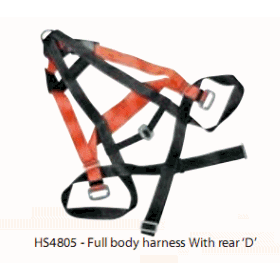
ProfTek was created to help manufacturers, laboratories and industrial operations make better technical decisions. The right solution depends on the application, operating environment, compliance obligations and long-term support—not a catalogue specification alone. We work closely with customers to understand the challenge before recommending equipment, materials or consumables. ...


RIS is Australia’s largest Height Safety provider, with a National branch infrastructure to meet its client’s needs anywhere within Australia or overseas. With the market place becoming increasingly aware of the need for employee protection when working at heights, RIS is ideally positioned to provide local and overseas industries with practical solutions for any height safety, ...
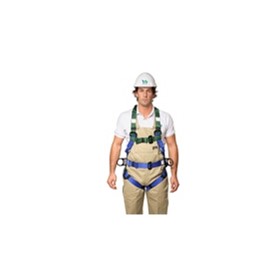
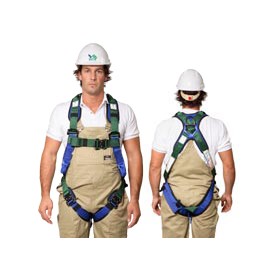

Pryme are a leading supplier of industrial workplace products, we have a proud history of making the workplace a better place®. Our range of Sqwincher® Hydration, Ergodyne® Work Gear, Greven® Skin Care & Maxiblock® Sunscreen are recognised leaders in helping reduce workplace accidents and illness. We back up these great products with comprehensive training and support programs, ...
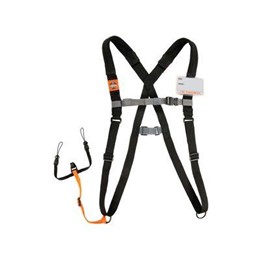

PBI Height Safety commenced in the late 1990’s specialising in a range of height safety equipment including, full body harnesses, lanyards and associated PPE equipment. In 2001, PBI extended into a wider area of height safety equipment which involved the supply, installation and certification of permanent Horizontal and Vertical safety life line systems and anchor points. With ...
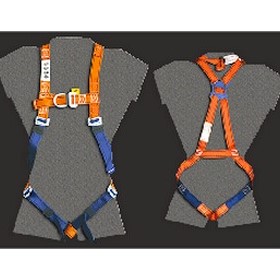
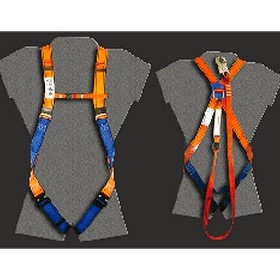

H.S.E is a highly skilled, highly proactive and highly professional organisation. We are confident we have the qualifications and – even more importantly – the experience & skills, to successfully provide Height Safety Services to the satisfaction of our broad range of clients. We understand the importance of ensuring maximum compliance with height safety legislation, whilst ...


Onsite Safety Australia is an independently owned safety company formed in 2009 and is owned and directed by Chris Bellamy & Mark Waller. We are now providing safety equipment Australia wide as well as to Papua New Guinea and the South Pacific. We specialise in the supply of Personal Protective Equipment and Safety Equipment, including uniform supply to business with a ...
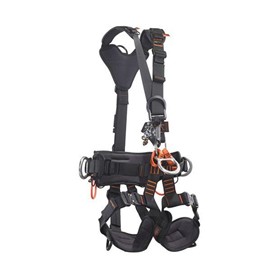

We are Australia’s height safety and industrial rope access experts. A team of passionate and professional abseiling aficionados with years best practice commercial experience - and the highest industry qualifications - gained in Europe, the USA and Australia. Australia’s height safety and industrial rope access specialists If you need professional inspections, maintenance, ...
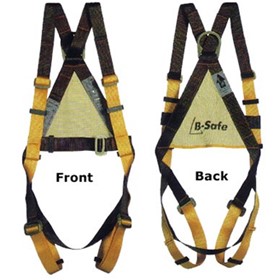

Industroquip has a solid reputation for creating high quality safety and signage items. With decades of design and manufacturing experience, the company provides important safety tools such as harnesses, lanyards and karabiners, anchor points, ladder brackets, first aid kits, parking signs, warning signs, boxed edge signs, regulatory signs and swing stand signs. It also supplies ...
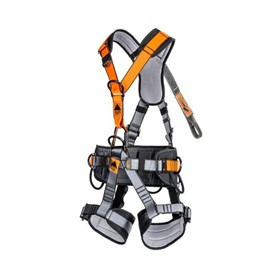

- Full-body harness: This type of harness provides complete body support and is designed to distribute the impact of a fall across the entire body. It is used for general fall protection and is the most commonly used harness in construction and other high-risk industries.
- Chest harness: This type of harness is used in conjunction with a full-body harness and provides additional support to the upper body. It is commonly used in situations where the worker needs to lean forward, such as when working on a roof.
- Suspension harness: This type of harness is designed to provide support when working in a suspended position, such as when working on a tower or bridge. It is also commonly used in rescue situations.
- Positioning harness: This type of harness is used to keep the worker in a specific position, such as when working on a ladder or in a confined space. It is designed to prevent the worker from falling or slipping.
- Retrieval harness: This type of harness is designed for use in rescue situations and allows rescuers to safely retrieve a worker who has fallen. It is usually used in conjunction with other rescue equipment, such as a rope or ladder.
- Choose the right harness size: Safety harnesses come in different sizes, so it is important to choose the right size for your body. Measure your chest, waist, and leg circumference to find the right size.
- Inspect the harness: Before putting on the harness, inspect it for any signs of damage or wear. Look for frayed straps, broken buckles, or any other signs of damage.
- Put on the harness: Put the harness on like a jacket, with the D-ring on your back. Make sure the straps are not twisted and adjust the chest strap to fit snugly.
- Adjust the leg straps: Adjust the leg straps so that they fit snugly but not too tightly. You should be able to fit two fingers between the strap and your leg.
- Adjust the shoulder straps: Adjust the shoulder straps so that they are snug but not too tight. You should be able to move your arms freely.
- Test the harness: Once the harness is properly fitted, test it to make sure it is secure. Pull on the straps to make sure they are tight and check that the D-ring is properly attached to the anchor point.
- Comfort: A good safety harness should be comfortable to wear for extended periods of time. Look for padding on the straps and back support.
- Durability: A safety harness should be made from high-quality materials that can withstand wear and tear. Look for harnesses made from sturdy materials like nylon and polyester.
- Adjustability: A harness should be adjustable to fit different body sizes and shapes. Look for harnesses with adjustable leg straps, waist belts, and chest straps.
- Fall protection: A good safety harness should have a fall protection system that will keep you safe in case of a fall. Look for harnesses with a shock-absorbing lanyard or a self-retracting lifeline.
- Certification: Look for harnesses that meet industry safety standards such as OSHA, ANSI, or CSA.
- Ease of use: A safety harness should be easy to put on and take off. Look for harnesses with quick-connect buckles or snap hooks.
- Visibility: A safety harness should be visible in low-light conditions. Look for harnesses with reflective strips or high-visibility colors.
- Store your harness in a cool, dry place, away from direct sunlight and moisture. This will prevent the harness from getting damaged and ensure its longevity.
- Check your harness regularly for signs of wear and tear, such as frays, cuts, or abrasions. If you notice any damage, replace the harness immediately.
- Clean your harness regularly with mild soap and water. Rinse it thoroughly and allow it to air dry. Do not use harsh chemicals or bleach, as this can damage the harness.
- Inspect the hardware of your harness, such as the buckles and D-rings. Make sure they are in good condition and functioning properly. If any hardware is damaged, replace it immediately.
- Store your harness in a bag or case to protect it from dust, dirt, and other debris when not in use.
Safety Harness Costs and Supplier Insights
If you are looking to buy a Safety Harness for sale, suppliers on IndustrySearch include MHA Products, Ladder Central, ProfTek Pty Ltd
Buy a Safety Harness Near Me
Safety Harness Articles & Reviews



 Reach valuable industrial buyers in minutes
 Promote key products & content
 Drive cost effective & measurable sales