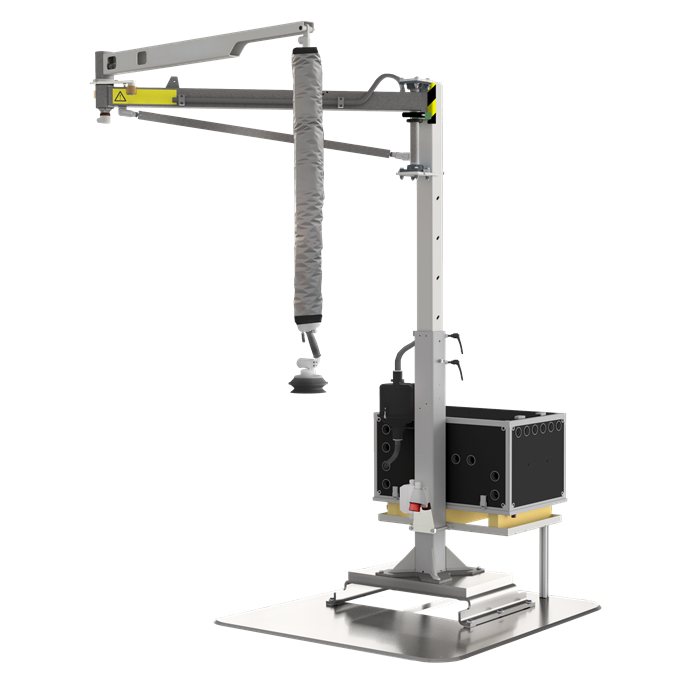

Vacuum lifter price guide Australia 2026: capacity, types, and cost
- What you will pay: Handheld suction cups start under $210, glass lifters run $1,500 to $5,000, powered below-the-hook vacuum lifters $3,000 to $15,000, and large crane attachments $15,000 to $40,000 or more.
- Match capacity first: Safe working load is the spec that decides the machine, from around 30 kg hand cups to crane lifters rated well beyond a tonne.
- Non-porous versus porous: Glass, polished stone, and sheet metal hold vacuum well, while sacks, cartons, and rough surfaces need a sealed pad or a tube-lifter system.
- Safety pays back: Body stressing is the single largest cause of serious workers compensation claims in Australia, so a vacuum lifter is a manual-handling control, not just a productivity tool.
- The decision: Match load, surface type, and lifting method to your task, and confirm below-the-hook compliance before you compare price.
A vacuum lifter uses suction to grip and move loads that are heavy, awkward, or dangerous to handle by hand, from glass panels and stone slabs to sheet metal, boxes, and sacks. It keeps hands clear, protects backs, and speeds up repetitive lifting. But the category spans everything from a $200 hand cup to a $38,000 crane attachment, so buying well means matching the device to the load. This guide sets out what vacuum lifters cost in Australia in 2026, the specs that change the price, and how to choose the right type.
Why vacuum lifting is a manual-handling control
Manual handling injuries are the most common serious injury in Australian workplaces. Safe Work Australia reports body stressing was the single largest cause of serious workers compensation claims, at about 34.5% of the total, with a median 9.2 weeks off work. Lifting, carrying, and handling heavy or awkward loads is exactly the activity that drives those claims, and the broader cost is large: work-related injury and illness is estimated to cost the economy around $28.6 billion a year.
The demand comes from big, lifting-heavy sectors. Construction employs around 1.31 million people, and manufacturing another 901,000, according to the Australian Bureau of Statistics, while glazing services alone is a roughly $3.8 billion industry, per IBISWorld. A vacuum lifter takes the strain out of moving glass, stone, and steel, reduces the risk of a dropped or damaged load, and often lets one operator do what previously took two. That is a safety and productivity change in one purchase.
What a vacuum lifter costs in Australia
Price scales sharply with capacity and how the lifter is powered and mounted. Treat the bands below as a price guide for comparison rather than fixed quotes.
| Type | Typical price range | Best suited to |
|---|---|---|
| Handheld / manual suction cups | $10 - $210 | Glaziers, tilers, light panel work |
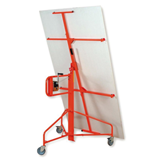
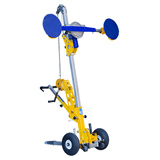
| Small mechanical glass / stone / paver lifters | $1,000 - $5,000 | Trade lifting, pavers, benchtops |
| Glass lifter (category average) | $1,500 - $5,000 | Glazing and panel handling |
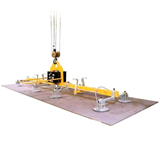
| Powered below-the-hook vacuum lifter | $3,000 - $15,000 | Sheet metal, slabs, crane and gantry use |
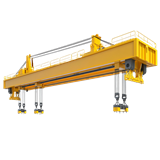
| Large crane / gantry attachment, heavy sheet lifter | $15,000 - $40,000+ | High-capacity, production lifting |
The vacuum lifter category on the marketplace averages around $9,000 for powered below-the-hook units. Vacuum tube lifters for warehouse box, bag, and carton handling are usually quoted as a full installed system rather than sold off the shelf. A used market exists, and hire is available by quote if you only need a lifter for a single project, with some suppliers offering wet hire including an operator. Whichever route you take, weigh total cost of ownership: pads and seals wear, and powered units need periodic inspection. Compare current listings on the vacuum lifter, glass lifter, and vacuum sheet lifter pages.
The specs that decide the price
These are the features to line up when you request quotes:
- Load capacity: Safe working load ranges from around 30 kg on hand cups to 250 to 800 kg on mechanical glass and stone lifters, and well beyond a tonne on crane attachments. Match it to your heaviest load with margin.
- Vacuum generation: A venturi or pneumatic system runs off compressed air with no moving parts, while an electric pump is self-contained. Hand cups use a manual pump. Choose based on the power you have on site.
- Power source: Compressed air, mains electric, or battery. Battery units suit sites without an air line, but need a backup or reserve consideration.
- Pad type and number: More and larger pads, matched to the surface, lift more safely. The rubber compound should suit the material you handle.
- Material compatibility: Non-porous surfaces such as glass, polished stone, and sheet metal hold vacuum well. Porous or rough loads like sacks and cartons need sealed pads or a tube-lifter system.
- Rotation and tilt: A 90 degree tilt turns a load from horizontal to vertical, essential for glazing, and 360 degree rotation adds placement control. These features add to the price.
- Safety features: A vacuum reserve tank, low-vacuum warning alarm, non-return check valve, and battery backup keep the load held if power or air fails. These are core, not optional.
- Below-the-hook compliance: Vacuum lifters used under a crane are lifting devices under AS 4991, which governs design, marking, and inspection. Confirm compliance and the crane interface before you buy.
Matching the lifter to the load
The biggest sizing errors come from focusing on weight alone and forgetting the surface and the lifting method. Confirm the load is non-porous enough to hold vacuum, decide whether you need handheld, mechanical, or crane-mounted lifting, and check the safety features before you compare quotes.
A realistic scenario
Picture a stone benchtop fabricator in Perth whose team currently lifts finished engineered-stone slabs by hand, two or three people to a piece, with a near-miss every few weeks and growing complaints of back strain.
A powered below-the-hook vacuum lifter around the $8,000 mark, rated well above the heaviest slab and fitted to the workshop gantry, lets one operator lift and place a slab safely. Its polished-stone pads hold vacuum reliably, a reserve tank and low-vacuum alarm keep the load secure, and the unit is compliant as a lifting device under AS 4991. The payback shows up in fewer injuries, less product damage from dropped slabs, and freeing two workers from every lift. For workshops planning the wider lifting setup, the jib crane buying guide covers the cranes and gantries a vacuum lifter hangs from.
Frequently asked questions
How much does a vacuum lifter cost in Australia?
Handheld suction cups start under $210, glass lifters run $1,500 to $5,000, and powered below-the-hook vacuum lifters list from $3,000 to $15,000, averaging around $9,000. Large crane and gantry attachments and heavy sheet lifters range from $15,000 to $40,000 or more.
Can a vacuum lifter handle porous materials like sacks or cartons?
Standard flat pads work best on non-porous surfaces such as glass, polished stone, and sheet metal. Porous or rough loads like bags, sacks, and cartons need specially sealed pads or a vacuum tube-lifter system designed for flow, so confirm the lifter suits your surface before buying.
What safety features should a vacuum lifter have?
Look for a vacuum reserve tank, a low-vacuum warning alarm, a non-return check valve, and, on powered units, battery backup. These keep the load held if air or power is interrupted. Vacuum lifters used under cranes must also comply with AS 4991 as lifting devices, with marking and periodic inspection.
Can you hire a vacuum lifter instead of buying one?
Yes. Hire is available from specialist suppliers, sometimes as wet hire with an operator, and suits one-off projects or occasional heavy lifts. Rates are generally quoted per job. Buying makes more sense for regular, ongoing lifting where the machine earns its keep across many tasks.
What matters most
A vacuum lifter is a safety decision first and a productivity one second. Match the safe working load to your heaviest piece, confirm the surface holds vacuum, and choose between handheld, mechanical, and crane-mounted lifting based on the task. Prioritise the reserve tank, alarm, and compliance features that keep a load held, and check below-the-hook standards for crane use. Get the fit right and one operator lifts safely what once took a crew. Get it wrong and even a capable lifter cannot grip your load.
Want to match capacity and pad type to your load and compare pricing? Get quotes from vacuum lifter suppliers across Australia here.