

Why Monitoring Alone Is Not Enough
In industrial systems, water quality directly impacts process stability, equipment performance, and operational efficiency. However, monitoring alone does not prevent issues, it only identifies them.
When parameters such as pH, conductivity, or turbidity shift, delays in response can result in inaccurate dosing, system imbalance, or equipment damage.
To address this, modern facilities are integrating water sensors with industrial valves, transforming monitoring systems into real-time control systems.
What is a Water Sensor?
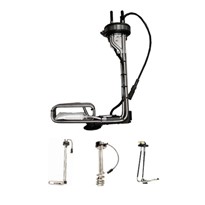
A water sensor is an instrument used to measure key water-quality parameters such as:
-
Turbidity (suspended solids)
-
pH (acidity/alkalinity)
-
Conductivity (dissolved ions)
These sensors use optical and electrochemical technologies and support outputs such as:
-
4–20 mA
-
RS485 Modbus
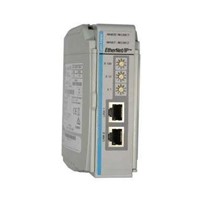
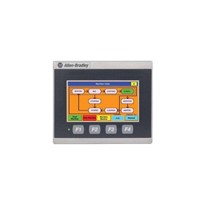
This enables seamless integration with PLC, SCADA, and industrial automation systems.
From Data to Action: The Role of Industrial Valves
Water sensors provide real-time data, but industrial valves enable action.
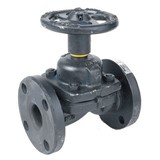
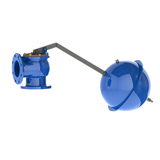
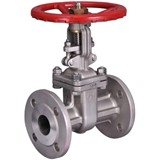
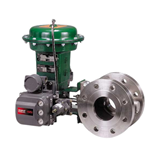
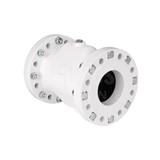
Heavy-duty stainless steel valves from APS Technology are designed for:
-
Bulk handling and chemical processing
-
Irrigation and fluid transfer systems
-
High-pressure and corrosive environments
When connected to control systems, valves allow:
-
Automatic flow adjustment
-
Controlled chemical dosing
-
Isolation of contaminated fluids
This creates a closed-loop control system that responds instantly to changing conditions.
How Closed-Loop Control Works
A typical automated system operates as follows:
-
Sensors continuously monitor water conditions
-
Data is transmitted to PLC or SCADA systems
-
Control logic evaluates system performance
-
Valves adjust flow or dosing automatically
-
The system stabilizes without manual intervention
This reduces process variability and improves system reliability.
Applications Across Industries
Water sensors and valves are widely used in:
-
Water & Wastewater – purification, sewage treatment, RO systems
-
Industrial Processing – cooling towers, boiler feedwater, dosing systems
-
Agriculture & Aquaculture – irrigation, hydroponics, fish farms
-
Food & Beverage – processing lines, CIP systems
-
Harsh Environments – reactors, high-temperature and corrosive systems
Across these sectors, real-time control improves efficiency, safety, and operational consistency.
Key Benefits
-
Real-time process optimization
-
Reduced downtime and manual intervention
-
Improved chemical dosing accuracy
-
Lower operating costs
-
Full integration with PLC and SCADA systems
Conclusion
Water sensors provide visibility, but combining them with industrial valves enables real control.
This integration allows facilities to move from reactive monitoring to automated, efficient, and reliable fluid management systems.

-160x160-state_article-rel-cat.png)

-205x205.jpg)