
Let us get you 3 quotes
Compare and select the best Float Valves
Compare Quotes

Find the right
Float Valves
Float Valves
Join industrial buyers comparing supplier quotes and buying with confidence. Free, quick and easy.

How IndustrySearch works
Tell us what you need
Answer a few quick questions about the equipment you're looking for.
Get personalised quotes
Receive tailored quotes from relevant Australian suppliers.
Compare and choose
Compare quotes, ask questions and choose the best option for you.
Looking to buy the best Float Valves for sale? Get Quotes sends your requirements to expert suppliers in Australia so you get personalised quotes to compare Float Valves prices, specifications, features and terms then choose the one that’s right for you. Also compare servicing, consumables and reviews, so you can buy with confidence.
 Save time
 Compare quotes
 Buy with confidence
Save time, compare quotes & buy with confidence
Float Valves Suppliers
Updated Jun 09, 2023
Supplier Location
Brand
Filter by brand:
RMC/BOB (4)
Mack Valves (2)
Filter by location:
Sydney (5)
Melbourne (3)
Perth (1)
Hobart (1)
Brisbane (1)
Adelaide (1)
Darwin (1)

Ross Brown Sales | Pressure & Temperature, Measurement & Calibration
Ross Brown Sales have specialised in Temperature and Pressure products for nearly fifty years, during which we have become one of Australia’s leading suppliers of pressure and temperature gauges. We stock a very comprehensive range of gauges from 40mm diameter industrial to 160mm diameter fully stainless steel process gauges. Our stock pressure ranges cover vacuum to pressure ...
Customers: CAPS Australia, BP, Exxon Mobil, Sandvik,Rio Tinto

RMC/BOB Stainless Steel Float Valves
These high-capacity stainless steel valves are ideal for applications where caustic fluids are used or where sanitation is a concern.

RMC/BOB Brass Float Valves | R600, R610, & R700 Series
The high-capacity float valves are designed to be trusted in industrial and agricultural applications.

RMC/BOB Brass Float Valves | R605T High Turbo Series
The R605T High Turbo series is a high-capacity float valve ideal for applications with high turbulence such as cooling towers and car washes. ...

RMC/BOB Brass Float Valves | R400 & RH400 Series
The R400 series is a high-capacity float valve.

Pumps and Pipes | Pumping & Water Systems
Pumps and Pipes specialises in pump design, system design, control panel manufacturing, engineering, CAD drawings, 3D imaging, electrical drawings, installation and servicing of pumping systems. We operate throughout Brisbane, Gold Coast and South East Queensland and supply pumping and control units to all markets. We are licensed and qualified personnel with decades of experience ...
Pumps and Pipes specialises in pump design, system design, control panel manufacturing, engineering, CAD drawings, 3D imaging, electrical drawings, installation and servicing of pumping systems. We operate throughout Brisbane, Gold Coast and South East Queensland and supply pumping and control units to all markets. We are licensed and qualified personnel with decades of experience ...


Mack Valves | Valves for Cryogenic, Water & Steam
From our beginning in 1939 Mack Valves has grown to be a leading provider of industrial valves for pressure control and flow control of liquids and gases with applications across a wide range of industries. Proudly Australian, our experienced and dedicated staff manufacture products to the highest international standards and provides customer service and technical support to ...
From our beginning in 1939 Mack Valves has grown to be a leading provider of industrial valves for pressure control and flow control of liquids and gases with applications across a wide range of industries. Proudly Australian, our experienced and dedicated staff manufacture products to the highest international standards and provides customer service and technical support to ...
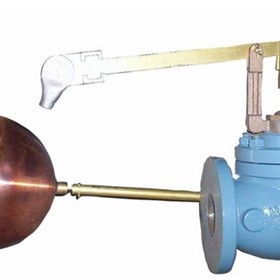
Mack Valves Water-Ball Float Valves | 9150, 9192 Series
9150 & 9192 Ball Float Valve. 9150 (cast iron BSTE), 9151A (cast iron ANSI 150), 9190 (stainless steel BSTE), 9191A (stainless steel ANSI 150) ...
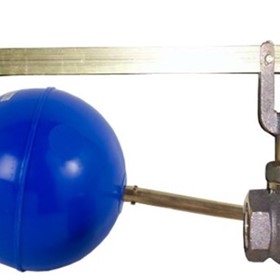
Mack Valves Water-Ball Float Valves | 9138, 9198 Series
9138 & 9198 Series Ball Float Valves. 9138 (Gun Metal), 9198 (Stainless Steel), BSPT Ends.

Float Valves
Float Valves
What is a float valve and how does it work?
Are devices used in plumbing systems to control the flow of water. They consist of a valve mechanism and a float that opens or closes the valve as the water level in a tank or reservoir rises or falls. As the water level rises, the float rises with it, which in turn lifts a lever attached to the valve mechanism, opening the valve and allowing water to flow into the tank. As the water level drops, the float drops as well, which lowers the lever and closes the valve, stopping the flow of water. Float valves are commonly used in applications such as toilet tanks, cooling towers, and water storage tanks.
What are the different types of float valves available in Australia?
Are commonly used in various applications to regulate the flow of liquids. In Australia, there are several types of float valves available, including:
- Traditional Float Valves: These are the most common type of float valves and are used in water tanks, livestock troughs, and irrigation systems. They work by using a float to control the level of water in the tank, which in turn controls the flow of water.
- Ball Float Valves: These valves use a ball float to regulate the flow of liquid. They are commonly used in industrial applications where a high flow rate is required.
- Pilot-Operated Float Valves: These valves use a pilot valve to control the flow of liquid. They are commonly used in applications where a higher degree of control is required.
- Diaphragm Float Valves: These valves use a diaphragm to regulate the flow of liquid. They are commonly used in applications where a high degree of accuracy is required.
What are the materials used to make float valves?
Are typically made from materials such as brass, stainless steel, and plastic. The choice of material depends on the application, the type of fluid being controlled, and the operating conditions. Brass is a common material for float valves as it is resistant to corrosion and has good durability. Stainless steel is another popular option for its strength and resistance to high temperatures and harsh chemicals. Plastic float valves are often used for low-pressure applications and are lightweight, less expensive, and resistant to corrosion. Other materials such as bronze, aluminum, and titanium may also be used for float valves in specific applications.
What factors should I consider when choosing a float valve?
Are important components in many industrial and agricultural applications. They regulate the level of liquid in tanks and other containers, ensuring that they do not overflow or run dry. When choosing a float valve, there are several factors to consider:
- Type of valve: There are several types of float valves, including ball valves, diaphragm valves, and piston valves. Each type has its own advantages and disadvantages, so it is important to choose the right type for your specific application.
- Material: Float valves can be made from a variety of materials, including plastic, brass, and stainless steel. The material you choose will depend on factors such as the type of liquid being regulated, the temperature of the liquid, and the pressure of the system.
- Size: Float valves come in a range of sizes, and it is important to choose the right size for your application to ensure proper regulation of the liquid level.
- Flow rate: The flow rate of the liquid being regulated is an important consideration when choosing a float valve. You will need to choose a valve that can handle the flow rate of your system.
- Pressure rating: Float valves are rated for a specific pressure range, and it is important to choose a valve that can handle the pressure of your system.
- Maintenance requirements: Some float valves require more maintenance than others. It is important to choose a valve that is easy to maintain and repair.
How do I determine the correct size float valve for my application?
Are used to control the level of liquid in a tank or reservoir. To determine the correct size float valve for your application, you need to consider the following factors:
- Flow rate: The float valve must be able to handle the maximum flow rate of liquid entering the tank. This can be determined by calculating the flow rate based on the tank size, fill time, and desired level.
- Tank size: The size of the tank or reservoir will determine the size of the float valve needed. A larger tank will require a larger float valve to maintain the desired liquid level.
- Liquid density: The density of the liquid will affect the buoyancy of the float valve. Heavier liquids will require a larger float valve to achieve the same level of buoyancy as lighter liquids.
- Pressure: The pressure of the liquid in the tank or reservoir will also affect the size of the float valve needed. Higher pressures will require a larger float valve to maintain the desired level.
- Environmental factors: The environment in which the float valve will be used can also affect its size. For example, if the valve will be exposed to extreme temperatures or corrosive materials, a larger and more durable valve may be needed.
Can float valves be used in high pressure or high temperature applications?
Float valves can be used in high pressure and high temperature applications, but their design and materials must be carefully selected to ensure they can withstand the specific conditions. For example, float valves for high pressure applications may require stronger materials and thicker walls to prevent deformation or failure under pressure. Similarly, float valves for high temperature applications may require materials that can withstand thermal expansion and contraction, and may need to be coated or insulated to prevent heat transfer to other components. Ultimately, the suitability of a float valve for a given application will depend on a range of factors, including the specific temperature and pressure conditions, the fluid being controlled, and the performance requirements of the valve.
Are float valves suitable for use with corrosive or abrasive fluids?
Float valves are not recommended for use with corrosive or abrasive fluids. This is because the materials used to construct float valves, such as plastic or brass, are not resistant to corrosion or abrasion. Corrosive fluids can cause the valve to deteriorate and fail, while abrasive fluids can cause wear and tear on the valve parts, leading to leaks or malfunctions. In such cases, alternative valve types made of materials such as stainless steel or ceramic may be more suitable for use with corrosive or abrasive fluids.
How often do float valves need to be maintained or replaced?
Float valves need to be maintained or replaced on a regular basis to ensure their proper functioning. The frequency of maintenance or replacement depends on various factors such as the type of valve, the quality of water, and the level of usage. In general, float valves should be inspected and cleaned at least once a year, and replaced every 3-5 years. However, if the valve is experiencing frequent problems or is showing signs of wear and tear, it may need to be replaced sooner. Regular maintenance and replacement of float valves can help prevent leaks, water waste, and other issues.
What is the warranty on float valves and how do I make a claim?
Typically come with a warranty of one to three years, depending on the manufacturer. The warranty covers defects in materials and workmanship, but not damage caused by misuse, neglect, or improper installation. To make a claim, you will need to provide proof of purchase and a description of the problem. The manufacturer will then evaluate the claim and either repair or replace the defective valve.
Get 3+ Quotes Now - Compare prices, availability and quality. It’s free, quick and secure.
Back to top
Float Valves Costs and Supplier Insights
The listed price of a Float Valves for sale ranges from $50 to $300, averaging $175.
If you are looking to buy a Float Valves for sale, suppliers on IndustrySearch include Ross Brown Sales, Pumps and Pipes
Use Get Quotes to receive personalised prices and proposals from trusted suppliers with top reviews and excellent service.
Buy a Float Valves Near Me
Save time and delivery costs while getting fast support, by contacting Float Valves suppliers near you.
Back to top
Float Valves Articles & Reviews



Are you a Float Valves supplier?
 Reach valuable industrial buyers in minutes
 Promote key products & content
 Drive cost effective & measurable sales
learn more
Reach valuable industrial buyers in minutes
Promote key products & content
Drive cost effective & measurable sales