
Mini Excavator

Join industrial buyers comparing supplier quotes and buying with confidence. Free, quick and easy.


How IndustrySearch works
Tell us what you need
Answer a few quick questions about the equipment you're looking for.
Get personalised quotes
Receive tailored quotes from relevant Australian suppliers.
Compare and choose
Compare quotes, ask questions and choose the best option for you.
 Save time
 Compare quotes
 Buy with confidence
Save time, compare quotes & buy with confidence
Mini Excavator - Sales & Hire Suppliers

William Adams has over 90 years of association with Caterpillar. It’s an alliance that dates back to 1926 – just a year after the first Caterpillar branded two-ton tractor, the Caterpillar Sixty rolled off the assembly line. Eight decades of partnership has cemented robust links between the two companies. Today, we lead the way with great products, unrivalled product support ...


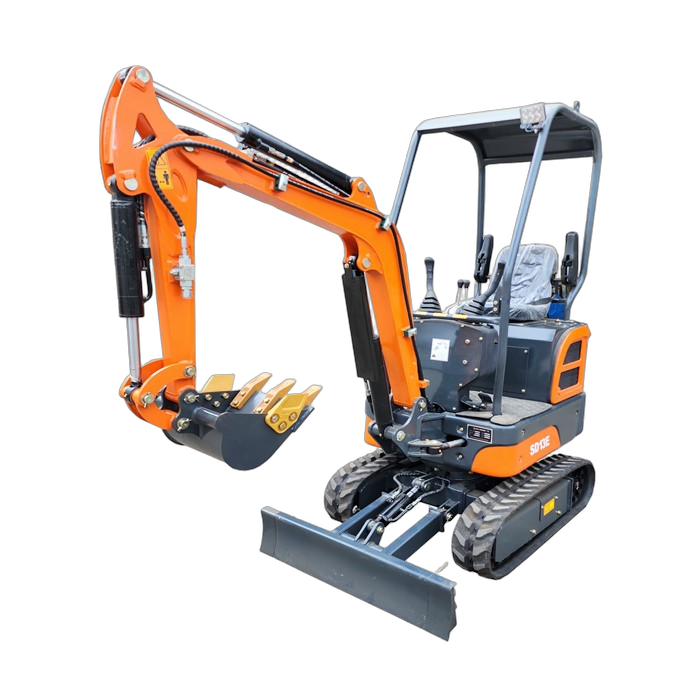
- Compact Mini Excavators: These are small and lightweight excavators that are ideal for working in tight spaces and on small projects.
- Midi Excavators: These are slightly larger than compact mini excavators and are designed for medium-sized projects.
- Wheeled Mini Excavators: These excavators are equipped with wheels instead of tracks, making them more maneuverable and better suited for working on hard surfaces.
- Tracked Mini Excavators: These are the most common type of mini excavator and are designed for digging and excavation work on soft or uneven terrain.
- Zero Tail Swing Mini Excavators: These excavators have a compact design that allows them to work in tight spaces without the risk of hitting obstacles.
- ROPS (Roll-Over Protective Structure): This is a structure that protects the operator in case the excavator tips over.
- FOPS (Falling Object Protective Structure): This is a structure that protects the operator from falling objects.
- Seatbelt: The operator must wear a seatbelt while operating the excavator to prevent them from being thrown out of the machine in case of an accident.
- Travel Alarm: A travel alarm is a warning device that alerts people around the excavator when it is moving.
- Backup Alarm: A backup alarm is a warning device that alerts people around the excavator when it is reversing.
- Emergency Stop Button: An emergency stop button is a safety feature that shuts down the excavator in case of an emergency.
- Safety Lockout System: This is a system that prevents the excavator from starting unless all safety features are engaged.
- Boom and Arm Safety Valve: This is a safety feature that prevents the boom and arm from dropping suddenly in case of a hydraulic failure.
- Overload Warning System: An overload warning system alerts the operator when the excavator is carrying too much weight.
- Daily inspections: Check the engine oil level, hydraulic fluid level, fuel level, and coolant level. Inspect the tracks, undercarriage, and hydraulic hoses for any signs of wear or damage.
- Regular oil changes: Change the engine oil and filter every 250 hours or as recommended by the manufacturer.
- Greasing: Grease the pivot points, bushings, and joints regularly to prevent wear and tear.
- Hydraulic system maintenance: Check the hydraulic system for leaks and replace any damaged hoses or fittings.
- Air filter maintenance: Clean or replace the air filter regularly to prevent dust and debris from entering the engine.
- Battery maintenance: Check the battery terminals and clean them regularly to prevent corrosion.
- Track maintenance: Adjust the track tension and replace any damaged or worn-out tracks.
- Cooling system maintenance: Check the radiator and clean it regularly to prevent overheating.
- Bank Loans: Banks offer loans for purchasing equipment, including Mini Excavators. These loans usually have fixed or variable interest rates and require collateral.
- Equipment Financing: Equipment financing companies specialize in financing equipment purchases. They offer flexible repayment terms and may not require collateral.
- Lease Financing: Leasing a Mini Excavator allows you to use the equipment without owning it. You make monthly payments for the lease term and return the equipment at the end of the lease.
- Dealer Financing: Some Mini Excavator dealers offer financing options to their customers. These may include low-interest rates, flexible repayment terms, and no collateral requirements.
- Government Grants: The Australian government offers grants and incentives for purchasing equipment, including Mini Excavators. These grants may cover a portion of the purchase price or provide tax benefits.
More Mini Excavator Information
Why Choose Mini Excavators for Your Project?
Compact Versatility: Unlike large excavation equipment, mini diggers are designed to work efficiently in tight spaces. Their compact size allows for precision in places where larger machinery might struggle, making them ideal for urban projects or confined construction sites.
Cost-Efficient: When you're searching for mini excavators for sale, you're not just looking for affordability upfront. These machines offer long-term cost savings due to their fuel efficiency and lower maintenance needs.
Eco-Friendly: Modern mini excavators are engineered with the environment in mind. They typically emit fewer pollutants and have a smaller carbon footprint compared to their larger counterparts. This makes them a top choice for projects aiming for green certification or simply aiming to reduce their environmental impact.
Safety First: With advanced features and ergonomic designs, mini diggers prioritize operator safety. Their smaller stature also means a reduced risk of collateral damage on sites.
High Resale Value: Not only do you get value while using it, but mini excavators also hold their value well in the resale market. Brands like Caterpillar, Kobelco, and Hitachi are particularly sought after for their durability and performance.
When you're in the market for compact digging solutions, choosing a mini excavator is a decision backed by efficiency, sustainability, and value. Dive deeper into our listings and find the perfect machine to elevate your projects to the next level.
Mini Excavator Costs and Supplier Insights
Buy a Mini Excavator Near Me

 Reach valuable industrial buyers in minutes
 Promote key products & content
 Drive cost effective & measurable sales