
Electrical Switches in Sydney

Join industrial buyers comparing supplier quotes and buying with confidence. Free, quick and easy.

How IndustrySearch works
Tell us what you need
Answer a few quick questions about the equipment you're looking for.
Get personalised quotes
Receive tailored quotes from relevant Australian suppliers.
Compare and choose
Compare quotes, ask questions and choose the best option for you.
 Save time
 Compare quotes
 Buy with confidence
Save time, compare quotes & buy with confidence
Electrical Switches Suppliers in Sydney

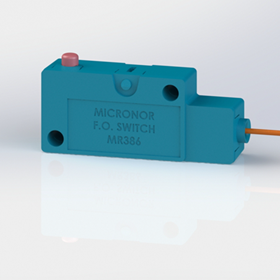
Quality in Control P/L is an Electrical Switches supplier to Brisbane
Quality In Control is an Australian supplier of leading quality control and process technology pre-dominantly for the following industries: - Plastic & Rubber extrusion - Automotive & Metal forming - Profile extrusion - Can making & filling - Cable & Pipe extrusion - Steel Wire, Rod & Bar Mills - CNC cutting industry - Mining industry - Timber millsCustomers: Liberty OneSteel , BHP, Mitsubishi, Visi-Pak

Naw Controls is an Electrical Switches supplier to Melbourne
Delivering you the world of electrical switchgear, NAW Controls can offer you the one stop shop solution to sourcing your switchgear needs. Whether you are a Switchboard Builder,Industrial Electrical Contractor,Original Equipment Manufacturer,Mechanical Services Contractor,Commercial / Domestic Electrical Contractor, Electrical Wholesaler Systems Integrator, We can offer your ...

L & H Group is an Electrical Switches supplier to Melbourne
Since 1886, L&H Group has remained the leading industrial supplier of a complete range of quality electrical, lighting, heating and cooling, and ventilation components to Australian businesses. The secret to our success is a program of innovation and continuous improvement, coupled with a strong focus on quality. L&H Group Electrical Wholesalers are Australia’s leading distributor ...

- Single-pole switches - These are the most basic type of switch and are used to control a single circuit.
- Double-pole switches - These switches are used to control two separate circuits.
- Three-way switches - These switches are used to control a single light or set of lights from two separate locations.
- Four-way switches - These switches are used to control a single light or set of lights from three or more separate locations.
- Dimmer switches - These switches are used to adjust the brightness of a light.
- Motion sensor switches - These switches are used to turn lights on and off automatically when motion is detected.
- Timer switches - These switches are used to turn lights on and off at specific times.
- Type of Switch: There are several types of switches available, including toggle, rocker, push-button, and rotary. Consider the application and user preference when choosing the type of switch.
- Voltage and Current Rating: Be sure to select a switch that can handle the voltage and current of your application. Check your electrical system specifications to determine the voltage and current rating needed.
- Switch Function: Determine the function needed for the switch, such as on/off, dimming, or momentary. This will affect the type of switch you need to choose.
- Environment: Consider the environment where the switch will be used. Will it be exposed to moisture, dust, or extreme temperatures? Choose a switch with an appropriate rating for the environment.
- Aesthetics: Finally, consider the appearance of the switch. Choose a switch that matches the design and style of the surrounding area.
- Plastic- switches made from plastic are lightweight, cost-effective, and easy to manufacture. They are commonly used in low-voltage applications.
- Metal- switches made from metal are durable and can withstand higher temperatures and pressures. They are commonly used in high-voltage applications.
- Ceramic- switches made from ceramic are highly resistant to heat and wear. They are commonly used in industrial applications.
- Glass- switches made from glass are highly resistant to corrosion and wear. They are commonly used in harsh environments.
- Rubber- switches made from rubber are flexible and can withstand high temperatures. They are commonly used in automotive and industrial applications.
- Wood- switches made from wood are aesthetically pleasing and can be used in decorative applications.
- A single pole switch has one input and one output. It is used to control the flow of electricity to a single device or appliance. When the switch is turned on, it completes the circuit, and electricity flows to the device or appliance. When the switch is turned off, the circuit is broken, and electricity stops flowing to the device or appliance.
- On the other hand, a double pole switch has two inputs and two outputs. It is used to control the flow of electricity to two devices or appliances simultaneously. It has two sets of contacts that can be used to control two separate circuits. When the switch is turned on, both circuits are completed, and electricity flows to both devices or appliances. When the switch is turned off, both circuits are broken, and electricity stops flowing to both devices or appliances.
- Turn off the power to the circuit by switching off the circuit breaker or removing the fuse.
- Determine the type of switch you are installing. There are two main types of switches: single-pole and three-way. Single-pole switches are used to control one device or appliance, while three-way switches are used to control lights from two different locations.
- Connect the switch to the power source. The power source is usually a black or red wire in the electrical box. Connect the black or red wire from the power source to the black or gold screw on the switch.
- Connect the switch to the load. The load is the device or appliance that the switch controls. Connect the black or red wire from the load to the black or gold screw on the switch.
- Connect the ground wire. The ground wire is usually a green or bare wire in the electrical box. Connect the ground wire from the box to the green screw on the switch.
- Install the switch in the electrical box and secure it with screws.
- Turn on the power to the circuit and test the switch to make sure it is working properly.
- Turn off the power: Before you begin working on the switch, turn off the power to the circuit you will be working on. Locate the circuit breaker that controls the switch and turn it to the off position.
- Remove the cover plate: Use a screwdriver to remove the cover plate from the switch. You may need to unscrew the plate or pry it off with a flathead screwdriver.
- Remove the switch: Use a screwdriver to remove the screws that hold the switch in place. Carefully pull the switch out of the wall.
- Disconnect the wires: Use a wire stripper to remove the insulation from the wires connected to the switch. Disconnect the wires from the switch by unscrewing the wire connectors.
- Install the new switch: Connect the wires to the new switch by twisting the wires together and screwing on the wire connectors. Push the switch back into the wall and secure it with screws.
- Test the switch: Turn the power back on and test the switch to make sure it is working properly.
- Replace the cover plate: Once you have verified that the switch is working, replace the cover plate and screw it back into place.
Electrical Switches Costs and Supplier Insights
If you are looking to buy an Electrical Switches for sale, suppliers on IndustrySearch include Quality in Control P/L
Why choose a supplier in Sydney for Electrical Switches Quotes?
If you are in Sydney and considering purchasing an Electrical Switches, it's worth considering Sydney-based suppliers. Doing so offers several benefits that are particularly relevant to businesses in the area. Here are the top reasons why opting for a local Sydney supplier can be the best decision for your Electrical Switches buying needs.
Supporting Sustainable Electrical Switches Suppliers in SydneySupport local and sustainable Electrical Switches suppliers. Their commitment to eco-friendly production aligns with responsible corporate practices.
Access the Local Electrical Switches InnovationsAccess the latest Electrical Switches innovations quickly by partnering with suppliers. Access the latest technologies faster with your local supplier.
Supply Chain Stability with Sydney SuppliersEnhance your supply chain stability by choosing Electrical Switches suppliers in Sydney. Local sourcing reduces risks associated with global disruptions.
Economical Purchasing in SydneyMake economical decisions by purchasing your Electrical Switches from Sydney. Save on transport and import duties, reducing overall procurement costs.
Streamlined Supply Chain with Sydney SuppliersStreamline your supply chain by choosing Electrical Switches suppliers in Sydney. Local sourcing simplifies logistics and speeds up your operations.
Buying in Sydney and Strengthen Your NetworkStrengthen your local business network by buying Electrical Switches in Sydney. Connect with other businesses and foster community ties through local transactions.
Buy a Electrical Switches Near Me

 Reach valuable industrial buyers in minutes
 Promote key products & content
 Drive cost effective & measurable sales