
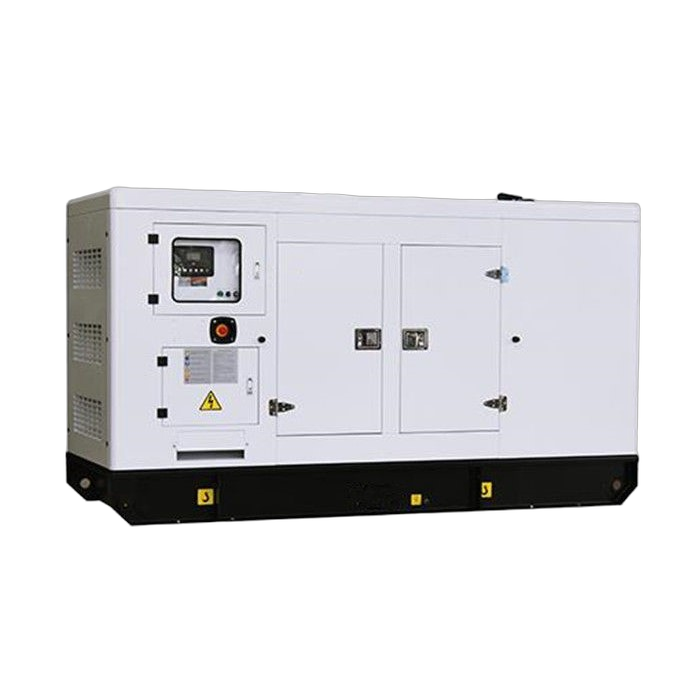
Industrial Diesel Generator

Join industrial buyers comparing supplier quotes and buying with confidence. Free, quick and easy.




How IndustrySearch works
Tell us what you need
Answer a few quick questions about the equipment you're looking for.
Get personalised quotes
Receive tailored quotes from relevant Australian suppliers.
Compare and choose
Compare quotes, ask questions and choose the best option for you.
 Save time
 Compare quotes
 Buy with confidence
Save time, compare quotes & buy with confidence
Diesel Genset & Large Diesel Generator Suppliers
Diesel and petrol generators are mechanical-electrical devices used to generate electrical power. They are primarily used as a means of providing backup power and are available in different specifications.
Diesel and petrol generators convert chemical energy from fuel (diesel or petrol) into mechanical energy. Some generators are standing units, while others are portable and can be moved around.
Diesel and petrol generators are widely used in manufacturing facilities, schools, hospitals, and in places where conventional electrical power isn’t available. Businesses use these generators to provide backup power for temperature-sensitive inventory if the main power source fails.
Petrol is more volatile than diesel, which is why diesel generators are generally more economical and fuel-efficient. However, this benefit is offset by the fact that diesel is a more expensive fuel source compared to petrol.
In both, an engine is used that mixes the fuel with air, using a carburettor to create combustion and generate electricity. Due to technological innovations, both petrol and diesel generators now operate quietly, and can work for long periods of time without needing to rest.

Reliable Hire supplies dry-hire machinery for civil and construction projects in regional Queensland. Its fleet includes earthmoving equipment, vehicles and access equipment, with transport and field service support.


- Consider surge power needs: Some appliances and equipment require extra power to start up, so make sure to factor in their surge power needs when calculating your total wattage.
- Choose between diesel and petrol generators: Diesel generators tend to be more fuel-efficient and have a longer lifespan, but they are also more expensive upfront. Petrol generators are cheaper, but they consume more fuel and require more maintenance.
- Choose the appropriate generator size: The size of the generator you need will depend on your power needs. A small 1-2 kW generator can power basic appliances and lights, while a larger 10-15 kW generator can power an entire home or small business.
- One way is to use a soundproof enclosure or a noise reduction box. These are specially designed enclosures that are built around the generator to reduce the noise level it produces. Another option is to use a muffler or a silencer, which can be installed on the exhaust system of the generator. This helps to reduce the noise level by absorbing the sound waves.
- Regular oil changes: Generators require regular oil changes to keep the engine lubricated and prevent wear and tear. The frequency of oil changes will depend on the generator’s usage and the manufacturer’s recommendations.
- Fuel filter replacement: Fuel filters help to remove dirt and debris from the fuel before it enters the engine. These filters need to be replaced regularly to ensure that the engine runs smoothly.
- Air filter replacement: Air filters help to prevent dust and debris from entering the engine. These filters need to be cleaned or replaced regularly to ensure that the engine runs smoothly.
- Battery maintenance: Generators rely on batteries to start up, so it’s important to ensure that the battery is charged and in good condition. Regular battery checks and maintenance are essential.
- Cooling system maintenance: Generators have a cooling system to prevent overheating. This system needs to be checked and maintained regularly to ensure that the engine doesn’t overheat.
- Load testing: Regular load testing can help to identify any issues with the generator before they become more serious.
- General inspection: Regular inspections of the generator can help to identify any issues or potential problems. This includes checking for leaks, loose connections, and any signs of wear and tear.
- The warranty covers defects in materials and workmanship, and the manufacturer will repair or replace the generator if it fails due to these issues during the warranty period.
- To activate the warranty, the owner must register the generator with the manufacturer and keep proof of purchase. If the generator needs repair or replacement during the warranty period, the owner must contact the manufacturer or an authorized service center for assistance.
Industrial Diesel Generator Costs and Supplier Insights
Buy a Industrial Diesel Generator Near Me
Industrial Diesel Generator Articles & Reviews



 Reach valuable industrial buyers in minutes
 Promote key products & content
 Drive cost effective & measurable sales