
Let us get you 3 quotes
Compare and select the best Signal Conditioner
Compare Quotes

Find the right
Signal Conditioner
Signal Conditioner
Join industrial buyers comparing supplier quotes and buying with confidence. Free, quick and easy.

Get quotes from top Australian suppliers








How IndustrySearch works
Tell us what you need
Answer a few quick questions about the equipment you're looking for.
Get personalised quotes
Receive tailored quotes from relevant Australian suppliers.
Compare and choose
Compare quotes, ask questions and choose the best option for you.
Looking to buy the best Icp Das Signal Conditioner for sale? Get Quotes sends your requirements to expert suppliers in Australia so you get personalised quotes to compare Signal Conditioner prices, specifications, features and terms then choose the one that’s right for you. Also compare servicing, consumables and reviews, so you can buy with confidence.
 Save time
 Compare quotes
 Buy with confidence
Save time, compare quotes & buy with confidence
Signal Conditioner & Signal Conditioning Suppliers
Updated Jan 22, 2025
Supplier Location
Brand
Filter by brand:
Filter by location:
ICP Electronics | Industrial & Embedded Computers
ICP Electronics Australia Pty Ltd are the Master Distributors for IEI Technology Inc. and ICP DAS Co. Ltd. ICP Electronics Australia is a wholly Australian owned company and provides the Australian market with a high standard of industrial computer, networking and data acquisition and control products, customer service and technical support at a competitive price. ICP Electronics ...
ICP Electronics Australia Pty Ltd are the Master Distributors for IEI Technology Inc. and ICP DAS Co. Ltd. ICP Electronics Australia is a wholly Australian owned company and provides the Australian market with a high standard of industrial computer, networking and data acquisition and control products, customer service and technical support at a competitive price. ICP Electronics ...
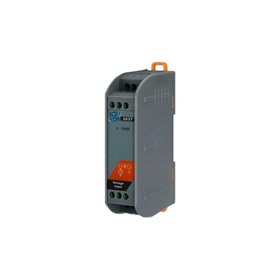

Signal Conditioner
Signal Conditioner
What is a signal conditioner, and what is it used for?
A signal conditioner is an electronic device that is used to convert, amplify, filter, and isolate signals from various sensors and transducers. It is used to ensure that the signal being transmitted is accurate, reliable, and compatible with the intended application. Signal conditioners are commonly used in industrial automation, process control, data acquisition, and scientific research applications. They can be used to convert analog signals to digital signals, amplify weak signals, filter out noise and interference, and provide isolation between the signal source and the receiving device. Overall, signal conditioners help to improve the quality and consistency of the signals being transmitted, which can increase the efficiency and accuracy of a system or process.
What types of signals can a signal conditioner handle?
A signal conditioner can handle various types of signals, including voltage, current, temperature, pressure, frequency, and digital signals. It converts the input signal into a standardized output signal that can be read and processed by other devices or systems. Signal conditioners are commonly used in industrial automation, control systems, and instrumentation applications. They help to improve signal accuracy, reliability, and stability, and protect the signal from external noise and interference. Some signal conditioners also provide isolation and amplification features to enhance signal performance.
What are the different types of signal conditioners available in the market?
Is an electronic device used to convert a signal from one form to another form, or to modify a signal to meet the requirements of a particular application. The different types of signal conditioners available in the market are:
- Amplifiers: These are used to amplify the signal strength, and they come in different types, such as voltage, current, and power amplifiers.
- Filters: These are used to remove unwanted signals or noise from the input signal. They come in different types, such as low-pass, high-pass, band-pass, and notch filters.
- Isolators: These are used to isolate the input signal from the output signal, to prevent any interference or noise.
- Converters: These are used to convert one type of signal to another. For example, an analog-to-digital converter (ADC) is used to convert an analog signal to a digital signal.
- Transmitters: These are used to convert an electrical signal into a signal that can be transmitted over a distance. For example, a current loop transmitter converts an electrical signal into a current signal that can be transmitted over a long distance.
- Signal conditioners for specific applications: There are also signal conditioners available for specific applications, such as temperature, pressure, and vibration signal conditioners.
How do I choose the right signal conditioner for my application?
If you need to choose a signal conditioner for your application, there are several factors you should consider. These include the type of input signal you will be working with, the required accuracy and precision of your measurements, the range of input signals you need to work with, and the type of output signal you require. Additionally, you will need to consider the environmental conditions under which your signal conditioner will be operating, such as temperature and humidity. It is also important to choose a signal conditioner from a reputable manufacturer with a strong track record for quality and reliability. Finally, you may want to consider the cost of the signal conditioner and whether it fits within your budget constraints. By taking these factors into account, you can select the right signal conditioner for your application and ensure that it delivers accurate, reliable performance over the long term.
What are the key features to look for in a signal conditioner?
A signal conditioner is an electronic device that is used to convert and process input signals from sensors or other devices into outputs that can be used by other systems or devices. When choosing a signal conditioner, there are several key features to consider, including:
- Input type: The signal conditioner should be compatible with the type of input signal you are working with, such as voltage, current, temperature, pressure, or strain.
- Accuracy: The signal conditioner should provide accurate and reliable measurements of the input signal, with minimal noise or distortion.
- Range: The signal conditioner should have a wide enough input range to accommodate the full range of the input signal, while also providing the necessary resolution and sensitivity.
- Filtering: The signal conditioner should have filtering capabilities to remove unwanted noise or interference from the input signal.
- Output type: The signal conditioner should provide the appropriate output type for your application, such as voltage, current, or digital signals.
- Power supply: The signal conditioner should have a reliable and stable power supply, with options for AC or DC power.
- Mounting and installation: The signal conditioner should be easy to install and mount, with options for DIN rail or panel mounting.
- Durability and reliability: The signal conditioner should be built to withstand harsh environments and provide long-term reliability, with features like rugged enclosures and protective coatings.
Can a signal conditioner work with multiple signals simultaneously?
Yes, a signal conditioner can work with multiple signals simultaneously. Many signal conditioners have multiple inputs and outputs, allowing them to process and manipulate multiple signals at the same time. These devices are commonly used in industrial and laboratory settings to convert, amplify, filter, and isolate signals from various sensors, transducers, and other sources. Some signal conditioners also have built-in multiplexers or switch matrices that enable them to handle multiple signals from different sources.
How reliable are the signal conditioners, and what is their lifespan?
Signal conditioners are electronic devices that are used to modify and improve the signal quality of a sensor or transmitter. They are designed to enhance the accuracy and reliability of the signal by filtering out noise and interference, amplifying weak signals, and providing isolation between the input and output signals.
- The reliability of signal conditioners largely depends on the quality of their design, construction, and components. High-quality signal conditioners that are built with durable materials and reliable components can last for many years without any issues.
- The lifespan of a signal conditioner also depends on how it is used and maintained. Signal conditioners that are used in harsh environments or exposed to extreme temperatures, moisture, or vibrations may have a shorter lifespan than those used in controlled environments. Regular maintenance and calibration can also help prolong the lifespan of a signal conditioner and ensure optimal performance.
What is the cost of signal conditioners, and how do they compare with other alternatives?
The cost of signal conditioners varies depending on the type and complexity of the device. Simple signal conditioners for basic signal conditioning tasks can cost as little as $50, while more advanced models with multiple channels and features can cost upwards of several thousand dollars.
How do I install and set up a signal conditioner?
A signal conditioner is a device used to enhance and stabilize signals coming from sensors, transducers, or other sources. The installation and setup process of a signal conditioner may vary depending on the type and model you are using. Determine the type of signal you are working with: Before purchasing a signal conditioner, it is essential to understand the type of signal you are working with. Whether it is a voltage, current, frequency, temperature, or pressure signal, you need to choose a signal conditioner that can handle and enhance that signal.
- Install the signal conditioner: The installation process may involve mounting the signal conditioner on a DIN rail or a panel, connecting wires to the input and output terminals, and powering it up. It is crucial to follow the manufacturer's instructions carefully to avoid damaging the signal conditioner or other equipment.
- Configure the signal conditioner: Once the signal conditioner is installed, you may need to configure it to match your specific application's needs. This may involve setting the gain, offset, filter, or other parameters using dip switches, potentiometers, or software.
- Test the signal conditioner: After installation and configuration, you should test the signal conditioner to ensure it is working correctly. You can use a signal generator or a sensor simulator to generate a known signal input and observe the output signal's quality and stability.
- Calibrate the signal conditioner: Finally, you may need to calibrate the signal conditioner periodically to maintain its accuracy and reliability. This may involve adjusting the gain or offset using a calibration source or a reference signal.
Are there any maintenance requirements for signal conditioners, and how often do they need to be serviced?
Signal conditioners do require maintenance, but the frequency and type of maintenance depend on the specific model and application. Some signal conditioners may require periodic calibration to ensure accurate signal processing, while others may require regular cleaning or replacement of components such as filters or fuses. It is important to refer to the manufacturer's instructions for recommended maintenance procedures and schedules for each signal conditioner. In general, signal conditioners should be inspected and serviced as needed to ensure reliable performance and prevent damage to equipment or processes.
Get 3+ Quotes Now - Compare prices, availability and quality. It’s free, quick and secure.
Back to top
Signal Conditioner Costs and Supplier Insights
The listed price of a Signal Conditioner for sale ranges from $100 to $2,000, averaging $1,050.
If you are looking to buy a Signal Conditioner for sale, suppliers on IndustrySearch include ICP Electronics
Use Get Quotes to receive personalised prices and proposals from trusted suppliers with top reviews and excellent service.
Buy a Signal Conditioner Near Me
Save time and delivery costs while getting fast support, by contacting Signal Conditioner suppliers near you.

Are you a Signal Conditioner supplier?
 Reach valuable industrial buyers in minutes
 Promote key products & content
 Drive cost effective & measurable sales
learn more
Reach valuable industrial buyers in minutes
Promote key products & content
Drive cost effective & measurable sales