
Let us get you 3 quotes
Compare and select the best AGV Automated Guided Vehicle
Compare Quotes

Find the right
AGV Automated Guided Vehicle
AGV Automated Guided Vehicle
Join industrial buyers comparing supplier quotes and buying with confidence. Free, quick and easy.
Get quotes from top Australian suppliers



How IndustrySearch works
Tell us what you need
Answer a few quick questions about the equipment you're looking for.
Get personalised quotes
Receive tailored quotes from relevant Australian suppliers.
Compare and choose
Compare quotes, ask questions and choose the best option for you.
Looking to buy the best Jungheinrich AGV Automated Guided Vehicle for sale? Get Quotes sends your requirements to expert suppliers in Australia so you get personalised quotes to compare AGV Automated Guided Vehicle prices, specifications, features and terms then choose the one that’s right for you. Also compare servicing, consumables and reviews, so you can buy with confidence.
 Save time
 Compare quotes
 Buy with confidence
Save time, compare quotes & buy with confidence
AGV Automated Guided Vehicle Suppliers
Updated Oct 30, 2025
Supplier Location
Brand
Filter by brand:
Filter by location:

Jungheinrich Australia | Material Handling & Intralogistics Solutions
We know efficient processes are crucial to your company's success. It's why we've made intralogistics our passion. Irrespective of your industry or business size, we're committed to providing you with the most cost-effective products, systems, and services available today.
We know efficient processes are crucial to your company's success. It's why we've made intralogistics our passion. Irrespective of your industry or business size, we're committed to providing you with the most cost-effective products, systems, and services available today.


AGV Automated Guided Vehicle
AGV Automated Guided Vehicle
What is an AGV and how does it work?
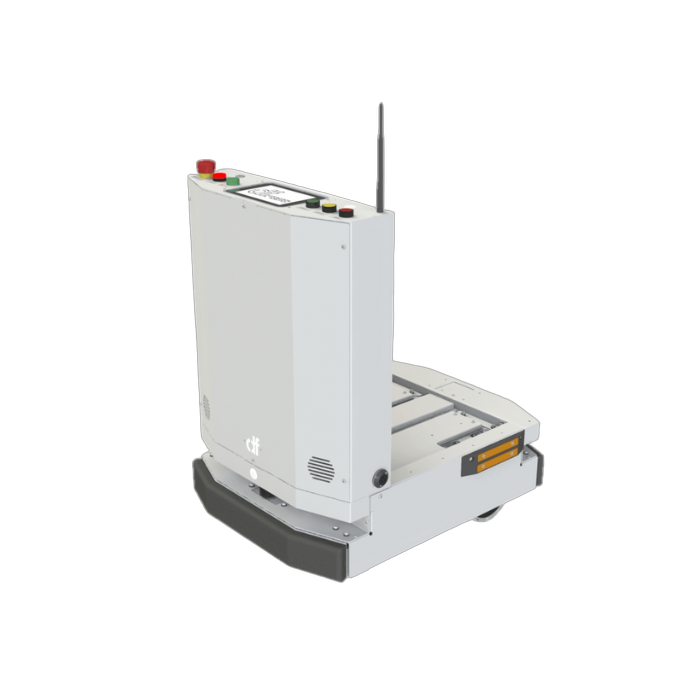
An AGV (Automated Guided Vehicle) is a self-guided mobile robot that is used to transport materials or products around a warehouse, factory, or other industrial facility. AGVs are used to automate material handling tasks and increase efficiency in manufacturing and logistics operations.
- AGVs operate by following a pre-determined path or route that is either marked on the floor or programmed into the vehicle's onboard computer system. They use a variety of sensors, including laser scanners and cameras, to navigate and avoid obstacles. AGVs can be programmed to stop at specific locations to pick up or drop off materials, and can be controlled remotely or run autonomously.
What are the benefits of using AGVs in my facility?
AGVs (Automated Guided Vehicles) are self-driving vehicles that can transport materials or products without human intervention. Here are some of the benefits of using AGVs in your facility:
- Increased Efficiency: AGVs can operate 24/7, which means there is no need for breaks, vacations, or sick days. They can work continuously and at a consistent speed, which increases productivity and reduces downtime.
- Improved Safety: AGVs can be programmed to follow specific routes and avoid obstacles, which reduces the risk of accidents and injuries. They also reduce the need for workers to manually move heavy loads, which can lead to strain and injury.
- Cost Savings: AGVs can replace workers who would have been required to move materials or products manually, which can lead to cost savings in terms of labor and workers' compensation. Additionally, AGVs are energy-efficient and can reduce the need for large fleets of vehicles, which can lead to cost savings on fuel and maintenance.
- Flexibility: AGVs can be programmed to perform a variety of tasks, which makes them adaptable to different production processes. They can also be easily reprogrammed to accommodate changes in production requirements.
- Data Collection: AGVs can be equipped with sensors and other data collection devices, which can provide valuable information about production processes. This data can be used to optimize production and identify areas for improvement.
What types of AGVs are available and which one is best for my application?
There are several types of AGVs available, each designed for specific applications. Some common types of AGVs include:
- Tow vehicles: These are designed to tow loads on trailers or carts.
- Unit load carriers: These are designed to transport pallets or containers.
- Forklift AGVs: These are designed to lift and transport loads using forks.
- Assembly line AGVs: These are designed to transport materials and products between workstations on an assembly line.
- Pallet shuttle AGVs: These are designed to transport pallets to and from high-density storage systems.
- Tugger AGVs: These are designed to tow multiple carts or trailers in a train-like configuration.
What is the cost of an AGV and how long is the payback period?
Generally, a basic AGV can cost around $30,000 to $50,000, while more advanced models can cost upwards of $100,000. The payback period can also vary depending on factors such as the frequency of use and the efficiency gains achieved through automation. In some cases, the payback period can be as short as 1-2 years, while in others it can take up to 5 years or more. It is important to conduct a thorough cost-benefit analysis and consider factors such as labor savings, improved efficiency, and reduced material handling errors to determine the potential ROI of an AGV investment.
How do I integrate AGVs with my existing equipment and systems?
Integrating AGVs with existing equipment and systems can be a complex process, but there are some key steps that can help ensure a smooth transition. First, it's important to evaluate the capabilities of your existing equipment and systems to determine if they can support AGV integration. This may involve retrofitting or upgrading certain components to enable communication and coordination with the AGVs.
- Next, you'll need to develop a detailed plan for how the AGVs will interact with your existing equipment and systems. This may involve programming the AGVs to follow specific paths, integrating sensors to detect obstacles or other hazards, and developing protocols for communication between the AGVs and other equipment.
- Finally, it's crucial to thoroughly test the integration before deploying the AGVs in a live production environment. This may involve running simulations or testing the AGVs in a controlled environment to identify and resolve any issues before they become critical.
What safety features are included with AGVs and how can I ensure they meet safety regulations?
AGVs (Automated Guided Vehicles) are equipped with various safety features to ensure the safety of workers and prevent accidents. These safety features include:
- Laser scanners and sensors: AGVs are equipped with laser scanners and sensors that detect obstacles in their path and prevent collisions. These sensors also detect the presence of humans and other objects in their path and slow down or stop the vehicle to prevent accidents.
- Emergency stop buttons: AGVs are equipped with emergency stop buttons that allow workers to stop the vehicle in case of an emergency.
- Safety lights: AGVs are equipped with safety lights that indicate the direction of travel and warn workers of the presence of the vehicle.
- Automatic speed control: AGVs are equipped with automatic speed control that ensures the vehicle operates at a safe speed and slows down or stops when necessary.
What kind of maintenance is required for AGVs and how often?
AGVs, or Automated Guided Vehicles, require regular maintenance to ensure their efficient and safe operation. The type and frequency of maintenance required depend on the specific type of AGV and its usage. Generally, maintenance tasks for AGVs include:
- Cleaning: Regular cleaning of the AGV's exterior and interior components, such as sensors, wheels, and batteries, is necessary to prevent dirt and debris from interfering with its operation.
- Battery maintenance: AGVs typically use rechargeable batteries, which need to be regularly checked and maintained to ensure they are functioning correctly. This includes monitoring battery life, recharging as needed, and replacing batteries when necessary.
- Sensor calibration: Sensors are a crucial component of AGVs, and they need to be calibrated regularly to ensure they are detecting and responding to their environment accurately.
- Mechanical maintenance: Mechanical components, such as wheels, motors, and drive systems, should be inspected and maintained regularly to ensure they are functioning correctly and do not need to be repaired or replaced.
How long does it take to install an AGV system?
The installation time for an AGV system can vary depending on the size and complexity of the project. Typically, it can take anywhere from several weeks to several months to complete the installation process. Factors that can affect the installation time include the number of vehicles being deployed, the layout of the facility, the type of AGV system being used, and the level of customization required. It is important to work with an experienced AGV provider to ensure that the installation is completed efficiently and effectively.
How can I train my staff to operate and maintain AGVs?
Start with the basics: Before diving into the technical aspects of AGVs, make sure your staff understands the basics of robotics, automation, and programming.
- Provide hands-on training: Offer your staff hands-on training with the AGVs. This will give them a better understanding of how the machines work and how to operate them.
- Create a comprehensive training program: Develop a comprehensive training program that covers all aspects of AGV operation and maintenance. This should include safety protocols, troubleshooting techniques, and maintenance procedures.
- Use simulation software: Use simulation software to create virtual scenarios where staff can practice operating and maintaining the AGVs. This will help them gain confidence and experience before working with the real machines.
- Encourage ongoing learning: AGV technology is constantly evolving, so it's important to encourage your staff to continue learning and staying up-to-date with the latest developments.
What kind of technical support and service is available for AGVs?
Automated Guided Vehicles (AGVs) are advanced material handling systems that require specialized technical support and service. The type of technical support and service available for AGVs includes:
- Installation and commissioning: AGVs require professional installation and commissioning to ensure they operate efficiently and safely. Technical support teams can provide assistance with installation and commissioning, including site surveys, system design, and installation supervision.
- Maintenance and repair: AGVs require regular maintenance and repair to ensure they operate effectively and maximize uptime. Technical support teams can provide maintenance and repair services, including preventive maintenance, corrective maintenance, and emergency repairs.
- Upgrades and retrofits: AGVs evolve with technology, and upgrades and retrofits can help extend the life of your AGV system. Technical support teams can provide upgrades and retrofits, including hardware upgrades, software upgrades, and system redesigns.
- Training and support: AGV operators and maintenance personnel require training and support to ensure they can operate and maintain the system effectively. Technical support teams can provide training and support, including operator training, maintenance training, and technical support.
Get 3+ Quotes Now - Compare prices, availability and quality. It’s free, quick and secure.
Back to top
AGV Automated Guided Vehicle Costs and Supplier Insights
The listed price of an AGV Automated Guided Vehicle for sale ranges from $50,000 to $150,000, averaging $100,000.
Use Get Quotes to receive personalised prices and proposals from trusted suppliers with top reviews and excellent service.
Buy a AGV Automated Guided Vehicle Near Me
Save time and delivery costs while getting fast support, by contacting AGV Automated Guided Vehicle suppliers near you.
AGV Automated Guided Vehicle for sale in Sydney
AGV Automated Guided Vehicle for sale in Melbourne
AGV Automated Guided Vehicle for sale in Perth
AGV Automated Guided Vehicle for sale in Hobart
AGV Automated Guided Vehicle for sale in Brisbane
AGV Automated Guided Vehicle for sale in Adelaide
AGV Automated Guided Vehicle for sale in Darwin
AGV Automated Guided Vehicle for sale in Melbourne
AGV Automated Guided Vehicle for sale in Perth
AGV Automated Guided Vehicle for sale in Hobart
AGV Automated Guided Vehicle for sale in Brisbane
AGV Automated Guided Vehicle for sale in Adelaide
AGV Automated Guided Vehicle for sale in Darwin
Back to top
AGV Automated Guided Vehicle Articles & Reviews
-
![]() Buying guide
The real ROI of basic warehouse automation for Australian businesses in Agv-automated-guided-vehicle
Read guide
-
![]() Buying guide
Manual vs. Electric Pallet Jacks: Which is Right for Your Business? in Agv-automated-guided-vehicle
Read guide
-
![]() Buying guide
5 Essential Time-Saving Equipment in Managing Your Warehouse in Agv-automated-guided-vehicle
Read guide
-
![]() Sponsor article
Insight - What Are Automated Guided Vehicle (AGVS)?
Read article



Are you an AGV Automated Guided Vehicle supplier?
 Reach valuable industrial buyers in minutes
 Promote key products & content
 Drive cost effective & measurable sales
learn more
Reach valuable industrial buyers in minutes
Promote key products & content
Drive cost effective & measurable sales