
Let us get you 3 quotes
Compare and select the best Roller Bearings
Compare Quotes

Find the right
Roller Bearings
Roller Bearings
Join industrial buyers comparing supplier quotes and buying with confidence. Free, quick and easy.
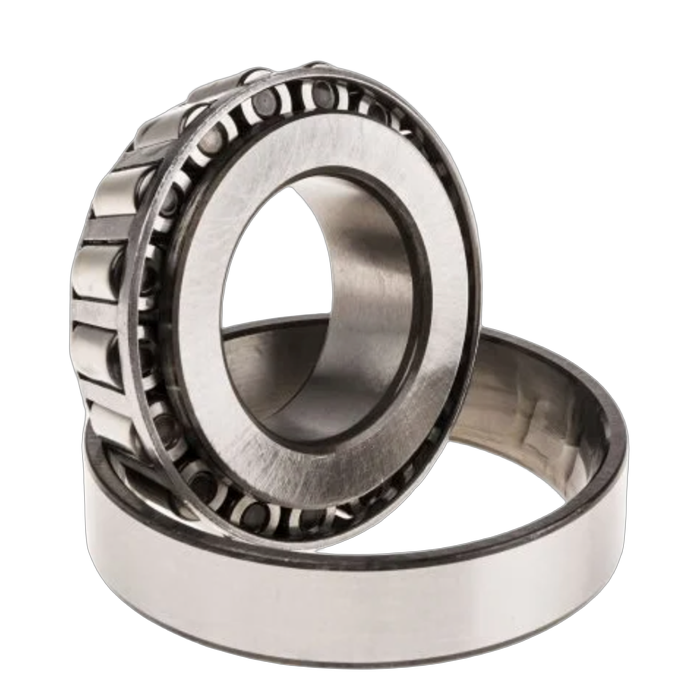
How IndustrySearch works
Tell us what you need
Answer a few quick questions about the equipment you're looking for.
Get personalised quotes
Receive tailored quotes from relevant Australian suppliers.
Compare and choose
Compare quotes, ask questions and choose the best option for you.
Looking to buy the best Nsk Roller Bearings for sale? Get Quotes sends your requirements to expert suppliers in Australia so you get personalised quotes to compare Roller Bearings prices, specifications, features and terms then choose the one that’s right for you. Also compare servicing, consumables and reviews, so you can buy with confidence.
 Save time
 Compare quotes
 Buy with confidence
Save time, compare quotes & buy with confidence
Roller Bearings Suppliers
Supplier location
Brand

NSK Australia | Bearings, Automotive Comp, Linear Motion
NSK was founded in 1916 and produced the first ball bearings made in Japan. Since then, the company has spearheaded the development of bearings in Japan. NSK now offers a full range of bearings and sells them worldwide. NSK bearings have contributed greatly to the growth of many industries and to the advancement of mechanical technology. With some 60 manufacturing bases and sales ...
NSK was founded in 1916 and produced the first ball bearings made in Japan. Since then, the company has spearheaded the development of bearings in Japan. NSK now offers a full range of bearings and sells them worldwide. NSK bearings have contributed greatly to the growth of many industries and to the advancement of mechanical technology. With some 60 manufacturing bases and sales ...
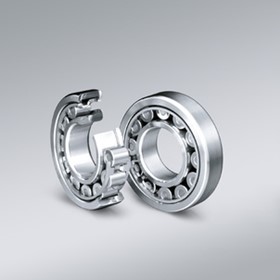
NSK EW Series Cylindrical Roller Bearings
NSK’s EW Series of Cylindrical Roller Bearings feature high load-carrying capability and high performance pressed steel cage. EW is fully ...
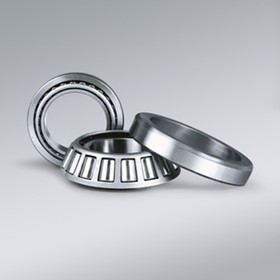
NSK Taper Roller Bearings
Capable of taking high radial loads and axial loads in a single direction, NSK taper roller bearings are also available in two and four row ...

Roller Bearings
Roller Bearings
What is a roller bearing and how does it work?
A roller bearing is a type of bearing that uses cylindrical or tapered rollers to reduce friction between two surfaces. The rollers are held in place by a cage or retainer and are designed to distribute the load evenly across the bearing surface. As the bearing rotates, the rollers roll along the surfaces, reducing friction and allowing for smooth movement. Roller bearings are commonly used in machinery and automotive applications where high loads and speeds are required.
What are the different types of roller bearings available in Australia?
There are several types of roller bearings available in Australia, including cylindrical roller bearings, tapered roller bearings, spherical roller bearings, needle roller bearings, and thrust roller bearings. Cylindrical roller bearings are used in heavy-duty applications, while tapered roller bearings are commonly used in automotive and industrial applications. Spherical roller bearings are designed to handle high radial loads and misalignment, while needle roller bearings are used in applications with limited space and high load capacity. Finally, thrust roller bearings are used to handle axial loads and are commonly found in heavy machinery and equipment.
What are the key factors to consider when choosing a roller bearing?
When choosing a roller bearing, it is important to consider factors such as the load capacity, speed, accuracy, noise level, lubrication requirements, and environmental conditions. Other factors to consider include the type of roller bearing (such as cylindrical, spherical, or tapered), the material of the bearing and its components, and the cost. It is also important to consider the application and the specific requirements of the machinery or equipment in which the bearing will be used.
What are the common applications of roller bearings in Australia?
Roller bearings are commonly used in various applications in Australia, including automotive, aerospace, mining, construction, and industrial machinery. They are used to reduce friction and provide support for rotating or moving parts, such as wheels, gears, and shafts. Some common types of roller bearings used in Australia include cylindrical, spherical, tapered, and needle bearings. They are also used in heavy-duty applications, such as wind turbines, cranes, and marine vessels. Overall, roller bearings play a critical role in ensuring the smooth and efficient operation of various machines and equipment in Australia.
What are the benefits of using roller bearings over other types of bearings?
Roller bearings have several advantages over other types of bearings, including:
- Higher load capacity: Roller bearings can handle higher loads than ball bearings, making them ideal for heavy-duty applications.
- Reduced friction: Roller bearings have a larger contact area than ball bearings, which reduces friction and wear.
- Better alignment: Roller bearings can compensate for misalignment better than other types of bearings, which helps to extend their lifespan.
- Longer lifespan: Roller bearings are more durable than other types of bearings, which means they can last longer and require less maintenance.
- Quieter operation: Roller bearings produce less noise than other types of bearings, which makes them ideal for applications where noise is a concern.
How do I determine the correct size and load capacity for my roller bearing?
To determine the correct size and load capacity for your roller bearing, you need to consider several factors, including the type of load, speed, and operating conditions. You should also consider the bearing's material and design, as well as the shaft and housing tolerances. To calculate the load capacity, you can use industry-standard equations and tables, or consult with a bearing manufacturer or engineer. It's important to choose a bearing that can handle the expected load and operating conditions to ensure optimal performance and longevity.
What are the maintenance requirements for roller bearings?
Roller bearings require regular maintenance to ensure their longevity and optimal performance. The maintenance requirements for roller bearings include:
- Lubrication: Roller bearings need to be lubricated regularly to reduce friction and prevent wear and tear. The type and frequency of lubrication depend on the bearing's application, speed, and load.
- Inspection: Regular inspection of roller bearings is necessary to detect any signs of damage or wear. This includes checking for cracks, pitting, and corrosion.
- Cleaning: Roller bearings should be cleaned regularly to remove dirt, debris, and other contaminants that can cause damage.
- Replacement: If a roller bearing is damaged or worn beyond repair, it should be replaced immediately to prevent further damage to the machinery.
- Proper handling: Roller bearings should be handled with care to avoid damage during installation, removal, and storage.
What are the common problems associated with roller bearings and how can they be prevented?
Roller bearings are prone to several problems that can affect their performance and lifespan. Some of the common problems associated with roller bearings include:
- Lubrication issues: Insufficient or improper lubrication can cause roller bearings to wear out quickly and fail prematurely. Regular lubrication and proper selection of lubricants can prevent this problem.
- Contamination: Dirt, dust, and other contaminants can enter the bearing and cause damage to the rolling elements and raceways. Proper sealing and cleaning of the bearing can prevent contamination.
- Misalignment: Misalignment of the bearing can cause excessive stress on the rolling elements and raceways, leading to premature failure. Proper installation and alignment can prevent this problem.
- Overloading: Excessive loads can cause roller bearings to fail prematurely. Proper selection of bearings and load capacity calculations can prevent overloading.
- Fatigue failure: Repeated stress cycles can cause fatigue failure in the bearing, leading to cracks and eventual failure. Proper maintenance and inspection can detect early signs of fatigue failure and prevent catastrophic failure.
What is the average lifespan of a roller bearing and how can I extend its life?
The average lifespan of a roller bearing depends on various factors such as the type of bearing, the load it carries, the speed it operates at, and the maintenance it receives. Generally, a well-maintained roller bearing can last for several years or even decades. To extend the life of a roller bearing, it is essential to ensure proper lubrication, avoid overloading or overheating, and regularly inspect and replace damaged or worn-out bearings. Additionally, using high-quality bearings and following manufacturer's recommendations can also help increase their lifespan.
Get 3+ Quotes Now - Compare prices, availability and quality. It’s free, quick and secure.
Back to top
Roller Bearings Costs and Supplier Insights
The listed price of a Roller Bearings for sale ranges from $10 to $500, averaging $255.
Use Get Quotes to receive personalised prices and proposals from trusted suppliers with top reviews and excellent service.
Buy a Roller Bearings Near Me
Save time and delivery costs while getting fast support, by contacting Roller Bearings suppliers near you.

Are you a Roller Bearings supplier?
 Reach valuable industrial buyers in minutes
 Promote key products & content
 Drive cost effective & measurable sales
learn more
Reach valuable industrial buyers in minutes
Promote key products & content
Drive cost effective & measurable sales