
Let us get you 3 quotes
Compare and select the best Piston Air Compressor
Compare Quotes

Find the right
Piston Air Compressor
Piston Air Compressor
Join industrial buyers comparing supplier quotes and buying with confidence. Free, quick and easy.
Get quotes from top Australian suppliers


How IndustrySearch works
Tell us what you need
Answer a few quick questions about the equipment you're looking for.
Get personalised quotes
Receive tailored quotes from relevant Australian suppliers.
Compare and choose
Compare quotes, ask questions and choose the best option for you.
Looking to buy the best Pilot Air Piston Air Compressor for sale? Get Quotes sends your requirements to expert suppliers in Australia so you get personalised quotes to compare Piston Air Compressor prices, specifications, features and terms then choose the one that’s right for you. Also compare servicing, consumables and reviews, so you can buy with confidence.
 Save time
 Compare quotes
 Buy with confidence
Save time, compare quotes & buy with confidence
Piston Air Compressor Suppliers
Updated Jun 23, 2026
Supplier Location
Brand
Filter by brand:
Filter by location:
Compressed Air Light & Power | Atlas Copco Pumps, Compressors & Generators
Specialising in fixed-speed diesel equipment, Compressed Air Light and Power Moree are proud authorised dealers for the world renowned Atlas Copco portable energy products. This includes portable compressors, generators, pumps and lighting towers. Founded in 1873, Atlas Copco has a successful history of finding innovative solutions for providing portable energy. Contact us today ...
Customers: Can Provide Extensive Referee List On Request


Piston Air Compressor
Piston Air Compressor
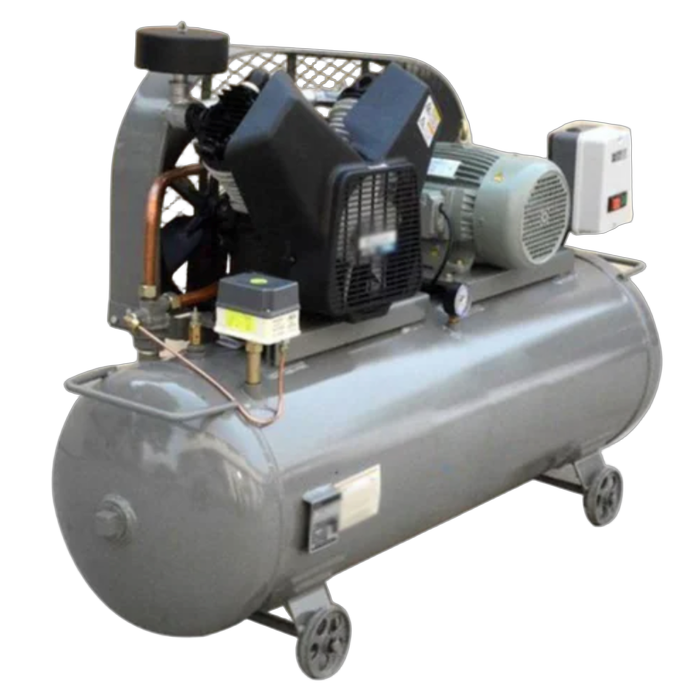
What is a piston compressor, and how does it work?
A piston compressor is a type of air compressor that uses a piston and cylinder to compress air. The piston moves back and forth inside the cylinder, drawing in air on one stroke and compressing it on the other. The compressed air is then stored in a tank or released through a valve for use in various applications. The piston compressor is a common type of compressor used in many industries, including automotive, manufacturing, and construction. It is often used for tasks such as inflating tires, powering tools, and running pneumatic machinery.
What size piston compressor do I need for my workshop or business?
The size of piston compressor you need for your workshop or business depends on several factors, including the size of your workspace, the number of tools you will be operating, and the amount of compressed air required by those tools.
- Generally, a small workshop or home garage can be served by a 20-30 gallon piston compressor, while a larger workshop or commercial setting may require a 60-80 gallon compressor.
- It is important to consider the CFM (cubic feet per minute) rating of the compressor, which indicates the amount of air it can deliver. This rating should be matched to the CFM requirements of your tools.
What type of oil should I use in my piston compressor?
It is recommended to use a non-detergent mineral oil or synthetic oil specifically designed for use in piston compressors. The oil should have a high viscosity index and be able to withstand high temperatures and pressures. It is important to check the manufacturer's recommendations for the specific compressor model to ensure the correct type of oil is used. Regular oil changes are also crucial to maintain the compressor's performance and longevity.
What is the average lifespan of a piston compressor?
The average lifespan of a piston compressor depends on several factors, including the quality of the compressor, the frequency and intensity of use, and the level of maintenance and care provided. Generally, a well-maintained piston compressor can last anywhere from 10 to 20 years or more, while a poorly maintained compressor may fail after just a few years. Regular maintenance, including proper lubrication, cleaning, and inspection, can help to extend the lifespan of a piston compressor and ensure that it operates at peak efficiency.
How noisy are piston compressors, and are there any quieter models available?
Piston compressors are generally known to be quite noisy, with noise levels ranging from 70 to 90 decibels (dB). However, there are some models available that are designed to be quieter. These models typically have noise levels of around 60 to 70 dB, which is significantly quieter than the standard models. Some features that can help reduce noise levels in piston compressors include sound insulation, vibration dampening, and low RPM motors. It is important to consider the noise level when purchasing a piston compressor, especially if it will be used in a residential or indoor setting.
Can piston compressors be used for painting or other sensitive applications?
S can be used for painting and other sensitive applications, but they may not always provide the necessary level of air quality required for these applications. It is important to choose a compressor with the appropriate filtration and drying system to ensure that the air produced is clean and dry enough for the job at hand. Additionally, oil-free compressors may be necessary for certain applications where oil contamination is a concern.
What are the maintenance requirements for a piston compressor, and how often should it be serviced?
Maintenance requirements for a piston compressor include regular oil changes, cleaning or replacing air filters, checking and tightening bolts and fittings, and inspecting valves and belts for wear and tear. The compressor should also be kept clean and free of dirt and debris. The frequency of servicing will depend on the usage and operating conditions of the compressor, but generally, it should be serviced every 500 hours of operation or once a year, whichever comes first. It is important to follow the manufacturer's guidelines for maintenance and servicing to ensure optimal performance and longevity of the compressor.
What are the safety features to look for in a piston compressor?
A piston compressor is a type of air compressor that uses pistons and cylinders to compress air. When purchasing a piston compressor, it is important to look for safety features to ensure safe operation. Some safety features to look for include:
- Pressure relief valve: This safety feature automatically releases excess pressure in the compressor tank to prevent it from exploding.
- Thermal overload protection: This feature automatically shuts off the compressor when it overheats to prevent damage and fire.
- Automatic shut-off: This feature shuts off the compressor when the tank is full to prevent over-filling and possible explosion.
- Oil-level indicator: This feature helps prevent damage to the compressor by alerting the user when the oil level is low.
- Anti-vibration pads: These pads reduce noise and vibration during operation, which can prevent injuries and equipment damage.
- Safety guards: These guards protect the user from moving parts and prevent debris from entering the compressor.
- Pressure gauge: This feature allows the user to monitor the pressure in the tank and prevent over-pressurization.
Are there any environmental considerations when using a piston compressor?
Piston compressors are commonly used in various industries, such as automotive, manufacturing, and construction. They are known for their high efficiency, durability, and reliability. However, they also have some environmental impacts that need to be considered.
- One of the main concerns is the noise level generated by piston compressors. They can produce high levels of noise that can be harmful to workers' hearing and affect the surrounding environment. To mitigate this impact, noise reduction measures such as sound barriers and mufflers can be installed.
- Another environmental impact is air pollution. Piston compressors can emit exhaust gases, such as carbon monoxide and nitrogen oxides, which are harmful to the environment and human health. To reduce this impact, proper maintenance and regular cleaning of the compressor system are necessary.
- Additionally, piston compressors can consume significant amounts of electricity, which can increase greenhouse gas emissions from power generation. To reduce this impact, energy-efficient compressors and renewable energy sources such as solar and wind can be used.
What is the cost of a piston compressor, and are there any financing options available?
The cost of a piston compressor can vary depending on the size and type of compressor needed. Generally, smaller compressors can cost a few hundred dollars, while larger industrial compressors can cost thousands of dollars. Additionally, there may be additional costs for installation and maintenance.
Get 3+ Quotes Now - Compare prices, availability and quality. It’s free, quick and secure.
Back to top
Piston Air Compressor Costs and Supplier Insights
The listed price of a Piston Air Compressor for sale ranges from $500 to $5,000, averaging $2,750.
If you are looking to buy a Piston Air Compressor for sale, suppliers on IndustrySearch include Compressed Air Light & Power
Use Get Quotes to receive personalised prices and proposals from trusted suppliers with top reviews and excellent service.
Buy a Piston Air Compressor Near Me
Save time and delivery costs while getting fast support, by contacting Piston Air Compressor suppliers near you.
Back to top
Piston Air Compressor Articles & Reviews
-
![]() Buying guide
Screw vs. Piston Compressors: Which is Right for You? in Piston-air-compressor
Read guide
-
![]() Sponsor article
Choosing Between a Screw Compressor and Piston Air Compressor: What You Need to Know
Read article
-
![]() Sponsor article
Piston Vs. Screw Compressors
Read article
-
![]() Sponsor article
Choosing Between Screw and Piston Compressor
Read article



Are you a Piston Air Compressor supplier?
 Reach valuable industrial buyers in minutes
 Promote key products & content
 Drive cost effective & measurable sales
learn more
Reach valuable industrial buyers in minutes
Promote key products & content
Drive cost effective & measurable sales