
Let us get you 3 quotes
Compare and select the best Pipe & Tube Fittings
Compare Quotes

Find the right
Pipe & Tube Fittings
Pipe & Tube Fittings
Join industrial buyers comparing supplier quotes and buying with confidence. Free, quick and easy.
Get quotes from top Australian suppliers






How IndustrySearch works
Tell us what you need
Answer a few quick questions about the equipment you're looking for.
Get personalised quotes
Receive tailored quotes from relevant Australian suppliers.
Compare and choose
Compare quotes, ask questions and choose the best option for you.
Looking to buy the best Sullair Pipe & Tube Fittings for sale? Get Quotes sends your requirements to expert suppliers in Australia so you get personalised quotes to compare Pipe & Tube Fittings prices, specifications, features and terms then choose the one that’s right for you. Also compare servicing, consumables and reviews, so you can buy with confidence.
 Save time
 Compare quotes
 Buy with confidence
Save time, compare quotes & buy with confidence
Pipe Fittings & Pipe Coupling Suppliers
Updated Sep 09, 2024
Supplier Location
Brand
Related Categories
Filter by brand:
Filter by location:
Related Categories:
Hitachi Global Air Power | Air Compressor Systems
As a prominent global leader in oil-free and oil-injected air compressors and accessories, Hitachi Global Air Power stands at the forefront of delivering robust, reliable and energy-efficient compressed air solutions. Offering a range of category-leading brands, including Sullair, Champion and Hitachi, we are driven by a commitment to continuous innovation and ensuring that ...
Customers: Shell, Green's, Sims Metal, Visy, Downer


Pipe & Tube Fittings
Pipe & Tube Fittings
What are the different types of pipe and tube fittings available in Australia?
There are various types of pipe and tube fittings available in Australia, including:
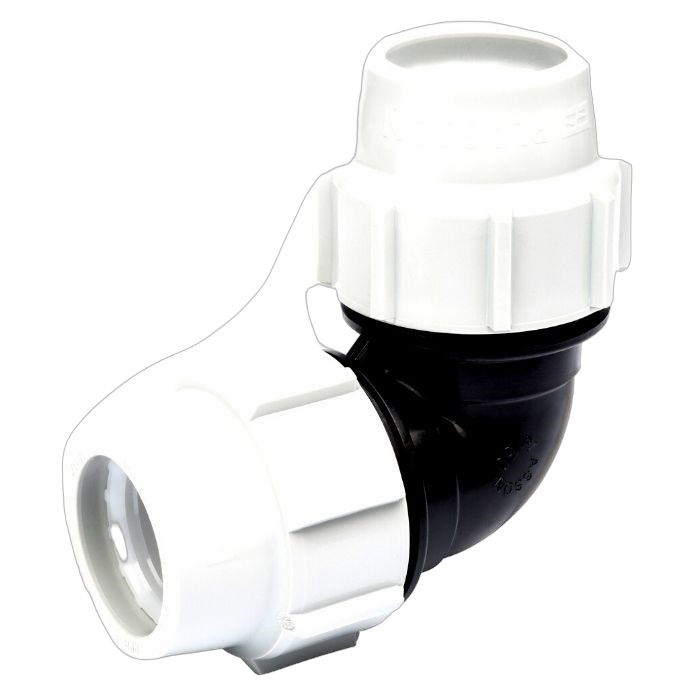
- Compression fittings: These fittings are used to connect two pipes or tubes together by compressing a ring onto the pipe or tube.
- Threaded fittings: These fittings have threads on the inside or outside of the fitting, which allows them to be screwed onto a pipe or tube.
- Flared fittings: These fittings have a cone-shaped end that is flared out to fit over the end of a pipe or tube.
- Welded fittings: These fittings are welded onto the end of a pipe or tube to create a permanent connection.
- Push-to-connect fittings: These fittings are designed to be pushed onto the end of a pipe or tube, creating a secure connection without the need for tools or additional components.
- Quick-connect fittings: These fittings are designed to quickly and easily connect two pipes or tubes together, often used in applications where frequent disconnection is required.
- Barbed fittings: These fittings have a barbed end that is inserted into the end of a pipe or tube, creating a secure connection.
- Camlock fittings: These fittings are used in applications where quick and easy connection and disconnection is required, such as in the food and beverage industry.
- Grooved fittings: These fittings have a grooved end that is clamped onto the end of a pipe or tube, creating a secure connection.
What materials are commonly used for pipe and tube fittings?
Common materials used for pipe and tube fittings include stainless steel, brass, copper, PVC, and carbon steel. Other materials such as titanium, nickel alloys, and plastic are also used for specific applications. The choice of material depends on factors such as the type of fluid or gas being transported, the temperature and pressure of the system, and the required durability and corrosion resistance.
How do I determine the correct size of fittings for my pipes and tubes?
To determine the correct size of fittings for your pipes and tubes, you need to consider the following factors:
- Pipe or tube size: Measure the outside diameter of the pipe or tube to determine its size.
- Material: The material of the pipe or tube will determine the type of fitting you need. For example, copper pipes require different fittings than PVC pipes.
- Application: The application of the pipe or tube will also determine the type of fitting you need. For example, a water supply line will require a different fitting than a gas line.
- Pressure rating: The pressure rating of the pipe or tube will determine the pressure rating of the fitting you need.
- Temperature rating: The temperature rating of the pipe or tube will determine the temperature rating of the fitting you need.
What are the pressure ratings for different types of fittings?
The pressure ratings for different types of fittings vary depending on their material, size, and intended use. Generally, fittings made of materials such as brass, copper, and stainless steel have higher pressure ratings than those made of plastic or PVC. The pressure rating for a fitting is typically expressed in pounds per square inch (PSI) and can range from a few hundred PSI to several thousand PSI. It is important to choose fittings with appropriate pressure ratings for the application to ensure safe and reliable operation.
What is the difference between a compression fitting and a push-to-connect fitting?
A compression fitting requires a nut and ferrule to be tightened onto the tubing to create a seal, while a push-to-connect fitting simply requires the tubing to be pushed into the fitting to create a seal. Compression fittings are typically used in high-pressure applications, while push-to-connect fittings are commonly used in low-pressure applications.
Can I use different brands of fittings together?
It is generally not recommended to use different brands of fittings together as they may not be compatible and could result in leaks or other issues. It is best to use fittings from the same brand and series to ensure proper fit and function.
How do I ensure a leak-free connection with my fittings?
To ensure a leak-free connection with your fittings, follow these steps:
- Choose the right type of fitting for your application.
- Use the correct size fitting for your pipes or hoses.
- Clean the surfaces of the fitting and the pipe or hose before installation.
- Apply thread sealant or Teflon tape to the threads of the fitting.
- Tighten the fitting to the recommended torque specification.
- Check for leaks by applying a soapy water solution to the connection and looking for bubbles.
What is the maximum temperature and pressure that my fittings can handle?
Please provide more details for a more accurate answer.
How do I properly install and maintain my fittings?
To properly install and maintain fittings, follow these steps:
- Choose the right fitting for your application. Consider the material, size, and type of fitting needed.
- Clean the pipe or tubing before installing the fitting. Use a pipe cleaner or sandpaper to remove any debris or rough edges.
- Apply thread sealant or Teflon tape to the threads of the fitting. This will help create a tight seal and prevent leaks.
- Tighten the fitting using a wrench or pliers. Be careful not to overtighten, as this can damage the fitting or cause leaks.
- Inspect the fitting regularly for signs of wear or damage. Replace any fittings that are cracked, corroded, or otherwise compromised.
- Maintain proper pressure and temperature in the system to prevent damage to the fittings.
- Follow manufacturer instructions for any specific maintenance or cleaning requirements.
What is the warranty and return policy for pipe and tube fittings in Australia?
The warranty and return policy for pipe and tube fittings in Australia may vary depending on the supplier or manufacturer. Generally, most suppliers offer a warranty against defects in materials and workmanship for a certain period of time, usually ranging from 12 months to 5 years. However, the warranty may not cover damages caused by misuse, improper installation, or wear and tear.
- In terms of returns, most suppliers have a return policy that allows customers to return products within a certain timeframe, usually 30 days, if they are not satisfied with the product or if the product is faulty. However, the return policy may have certain conditions, such as the product being unused and in its original packaging.
Get 3+ Quotes Now - Compare prices, availability and quality. It’s free, quick and secure.
Back to top
Pipe & Tube Fittings Costs and Supplier Insights
The listed price of a Pipe & Tube Fittings for sale ranges from $5 to $1,500, averaging $752.
If you are looking to buy a Pipe & Tube Fittings for sale, suppliers on IndustrySearch include Hitachi Global Air Power
Use Get Quotes to receive personalised prices and proposals from trusted suppliers with top reviews and excellent service.
Buy a Pipe & Tube Fittings Near Me
Save time and delivery costs while getting fast support, by contacting Pipe & Tube Fittings suppliers near you.
Back to top
Pipe & Tube Fittings Articles & Reviews



Are you a Pipe & Tube Fittings supplier?
 Reach valuable industrial buyers in minutes
 Promote key products & content
 Drive cost effective & measurable sales
learn more
Reach valuable industrial buyers in minutes
Promote key products & content
Drive cost effective & measurable sales