
Let us get you 3 quotes
Compare and select the best Personal Protective Equipment - PPE
Compare Quotes

Find the right
Personal Protective Equipment - PPE
Personal Protective Equipment - PPE
Join industrial buyers comparing supplier quotes and buying with confidence. Free, quick and easy.
How IndustrySearch works
Tell us what you need
Answer a few quick questions about the equipment you're looking for.
Get personalised quotes
Receive tailored quotes from relevant Australian suppliers.
Compare and choose
Compare quotes, ask questions and choose the best option for you.
Looking to buy the best Unspecified Personal Protective Equipment - PPE for sale? Get Quotes sends your requirements to expert suppliers in Australia so you get personalised quotes to compare Personal Protective Equipment - PPE prices, specifications, features and terms then choose the one that’s right for you. Also compare servicing, consumables and reviews, so you can buy with confidence.
 Save time
 Compare quotes
 Buy with confidence
Save time, compare quotes & buy with confidence
Personal Protective Equipment - PPE Suppliers
Updated Dec 13, 2023
Supplier Location
Brand
Related Categories
Filter by brand:
Filter by location:
Related Categories:

Roofsafe Industrial Safety | Height Safety and Access Solutions
RIS is Australia’s largest Height Safety provider, with a National branch infrastructure to meet its client’s needs anywhere within Australia or overseas. With the market place becoming increasingly aware of the need for employee protection when working at heights, RIS is ideally positioned to provide local and overseas industries with practical solutions for any height safety, ...
RIS is Australia’s largest Height Safety provider, with a National branch infrastructure to meet its client’s needs anywhere within Australia or overseas. With the market place becoming increasingly aware of the need for employee protection when working at heights, RIS is ideally positioned to provide local and overseas industries with practical solutions for any height safety, ...

RIS Personal Protective Equipment
The RIS range of height and confined space Personal Protective Equipment (HSPPE) is extensive and is certified to the highest quality levels ...

RIS Personal Protective Equipment (HSPPE)
The RIS range of height and confined space Personal Protective Equipment (HSPPE) is extensive and is certified to the highest quality levels ...

Extreme Safety | Safety Lockouts & Clothing | Electrical Safety
Extreme Safety lead the industry in Quality, Service and Value for your Safety Requirements. Extreme Safety are Australian agents for ROFA, DEHN, KCL, CIMCO, Benning, and Deltec products from Germany. Suppliers of Arc Flash Clothing (ROFA), Surge Protection Devices (DEHN), Electrical Insulating Gloves (KCL), Insulated Tools (CIMCO), Test & Measurement Equipment (Benning) or HV ...
Extreme Safety lead the industry in Quality, Service and Value for your Safety Requirements. Extreme Safety are Australian agents for ROFA, DEHN, KCL, CIMCO, Benning, and Deltec products from Germany. Suppliers of Arc Flash Clothing (ROFA), Surge Protection Devices (DEHN), Electrical Insulating Gloves (KCL), Insulated Tools (CIMCO), Test & Measurement Equipment (Benning) or HV ...


Outsource1 | Drilling, Cutting & Safety Equipment
Outsource1 is an industrial supplier for a range of drilling, cutting & safety equipment.
Outsource1 is an industrial supplier for a range of drilling, cutting & safety equipment.


Redbank Group | Magnifiers, Low Vision Aids & Specialty Lighting
Redbank Group are a manufacturer/supplier of magnifiers, low vision aids and specialty lighting. We continue to manufacture the Maggylamp, the only Australian made illuminated magnifier, which has enjoyed over 60 years of proven performance since it was first built in Sydney in 1947. From this initial product, Redbank Group has continued to build up an extensive range of ...
Redbank Group are a manufacturer/supplier of magnifiers, low vision aids and specialty lighting. We continue to manufacture the Maggylamp, the only Australian made illuminated magnifier, which has enjoyed over 60 years of proven performance since it was first built in Sydney in 1947. From this initial product, Redbank Group has continued to build up an extensive range of ...


Multi-Shifter Australia | Battery Handling Solutions
Multi-Shifter, Inc. pioneered the development of battery handling equipment and has installed more powered battery handling and storage systems around the world than any other producer. Multi-Shifter remains the industry’s quality and technology leader offering the broadest array of powered battery handling equipment. Multi-Shifter's range of products include: Automated ...
Multi-Shifter, Inc. pioneered the development of battery handling equipment and has installed more powered battery handling and storage systems around the world than any other producer. Multi-Shifter remains the industry’s quality and technology leader offering the broadest array of powered battery handling equipment. Multi-Shifter's range of products include: Automated ...


Pro-Pac Group | Industrial Packaging & Protective Packaging
Pro-Pac Packaging was established in 1987 and over the years has become a leader in the manufacture and supply of flowable and non-flowable voidfill protective packaging. Pro-Pac Packaging has also become one of the leading distributors of all industrial packaging needs including stretch wrap, strapping, polybags, tape, cartons, protective and safey gear, food handling products ...
Pro-Pac Packaging was established in 1987 and over the years has become a leader in the manufacture and supply of flowable and non-flowable voidfill protective packaging. Pro-Pac Packaging has also become one of the leading distributors of all industrial packaging needs including stretch wrap, strapping, polybags, tape, cartons, protective and safey gear, food handling products ...
Back to top
Personal Protective Equipment - PPE Buying Guide
Find and buy personal protective equipment (PPE) from verified suppliers on IndustrySearch. Personal protective equipment is worn as protection against illnesses and injuries.
Factors to consider when buying PPE:
- Hazard assessment – Choose PPEs based on potential hazards. Different occupations require different PPEs. Types include protection for the eye and face, head, hands, legs, body and hearing and against fall and arc flash.
- Material – The fabric should be durable and provide sufficient protection against the identified hazard.
- Size – Should be the perfect fit to ensure comfort. Consider fitting and sizing guide from the manufacturer.
- Storage and maintenance – Should be stored in a clean and dry place such as PPE storage cabinets. Reusable PPEs should be kept clean and in good condition. Use only replacement parts that match the original.
- Durability – Consider maximum service time or end of life to know when to replace the PPE.
- Training – The wearer should be trained on the proper wear, care and disposal of PPEs.
- Adjustability – Applies to PPEs like harnesses, back support and goggles.
- Other features to consider – Compliance with government regulations and industry standards, ease of cleaning, chemical resistance, breathability, environment-friendly materials, certification.
Contact our vendors for a free quote or expert advice on personal protective equipment. Delivery available Australia wide.

Personal Protective Equipment - PPE
Personal Protective Equipment - PPE
What type of PPE should I use for my particular job or task?
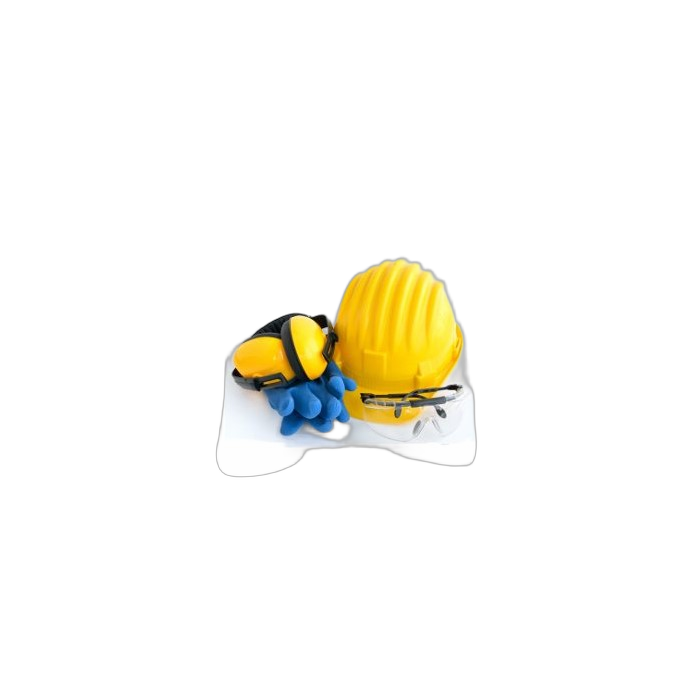
Is equipment worn or used to minimize exposure to various hazards that can cause injuries or illness. When selecting PPE for a job or task, it is important to consider the hazards present and choose the appropriate equipment for each hazard. Some common types of PPE include safety glasses, gloves, hard hats, respirators, earplugs, and safety shoes. The type of PPE required will depend on the specific hazards present in the workplace or task, and it is important to follow all safety guidelines and training when using PPE.
What safety standards should the PPE meet?
Personal Protective Equipment (PPE) is any equipment or clothing used by workers to minimize exposure to hazards that can cause serious injuries or illnesses. It includes items such as gloves, safety glasses, hardhats, respirators, and protective clothing. The safety standards that PPE must meet vary depending on the type of equipment and the nature of the hazard it is designed to protect against. Here are some examples of safety standards for different types of PPE:
- Respirators: Respirators are designed to protect workers from inhaling hazardous substances such as dust, fumes, and chemicals. They must meet the standards set by the National Institute for Occupational Safety and Health (NIOSH) in terms of filtration efficiency, breathing resistance, and fit.
- Eye and face protection: Eye and face protection devices such as safety glasses and face shields must meet the standards set by the American National Standards Institute (ANSI) or the Occupational Safety and Health Administration (OSHA). These standards specify the level of impact resistance, optical clarity, and UV protection that the devices must provide.
- Head protection: Hardhats are designed to protect workers from falling objects and electrical hazards. They must meet the standards set by ANSI or the Canadian Standards Association (CSA) in terms of impact protection, penetration resistance, and electrical insulation.
- Hand protection: Gloves are designed to protect workers' hands from cuts, abrasions, and chemical exposure. They must meet the standards set by ANSI or the International Safety Equipment Association (ISEA) in terms of material strength, puncture resistance, and chemical permeation resistance.
Can I reuse PPE or should I dispose of it after one use?
Should ideally be disposed of after one use, especially if it has been exposed to infectious materials or if it is damaged. It is important to follow manufacturer's instructions and regulatory guidelines for using and reusing PPE. Healthcare workers should also be trained on proper use, handling, and disposal of PPE to minimize the risk of infection.
How do I properly fit and adjust PPE to ensure maximum protection?
PPE is designed to protect individuals from workplace hazards that can cause injury or illness. However, if it is not fitted and adjusted properly, it may not provide adequate protection. Here are some general guidelines for fitting and adjusting PPE:
- Follow the manufacturer's instructions: Every type of PPE comes with instructions on how to properly fit and adjust it. It is essential to read and follow these instructions carefully.
- Choose the right size: PPE comes in different sizes, and it is crucial to choose the correct size. Wearing PPE that is too small or too large can compromise its effectiveness.
- Adjust the straps: PPE such as goggles, helmets, and respirators have straps that adjust the fit. Ensure that the straps are snug but not too tight, as this can cause discomfort or restrict movement.
- Check for gaps: Ensure that there are no gaps between the PPE and your skin or clothing. This is particularly important for respirators and face shields.
- Conduct fit testing: For some types of PPE, such as respirators, fit testing is necessary to ensure that they provide adequate protection. Fit testing involves checking the seal between the respirator and the face.
What is the expected lifespan of PPE and when should I replace it?
Personal Protective Equipment (PPE) is designed to protect against hazards in the workplace. The expected lifespan of PPE depends on several factors, including the type of equipment, how frequently it is used, and the conditions it is exposed to.
- For example, disposable gloves should be replaced after each use, while respirators can last for several uses depending on the type and severity of the hazard. Other types of PPE, such as safety glasses and hard hats, may last for years if cared for properly.
- To determine when to replace PPE, it is important to follow the manufacturer's instructions and inspect the equipment regularly for signs of wear or damage. If any damage is observed, the PPE should be replaced immediately. Additionally, PPE should be replaced if it does not provide the necessary level of protection or if it has exceeded its expected lifespan.
How do I clean and maintain PPE to ensure it remains effective?
- is an essential component of workplace safety. To ensure PPE remains effective, it must be cleaned and maintained regularly following manufacturer's instructions. Here are some general guidelines:
- Cleaning: PPE should be cleaned after each use. Follow the manufacturer's instructions for cleaning and disinfecting. For example, some PPE can be washed in a machine, while others may need to be wiped down with a disinfectant solution.
- Inspection: Inspect PPE before each use to ensure it is clean, undamaged, and in good working condition. Look for signs of wear and tear, such as cracks, tears, or holes. If PPE is damaged, it must be replaced.
- Storage: Store PPE in a clean, dry place away from direct sunlight and extreme temperatures. Keep PPE in its original packaging, if possible, to protect it from dust and debris.
- Replacement: PPE has a limited lifespan and must be replaced when it no longer provides adequate protection. Follow the manufacturer's recommendations for replacement, which may be based on the frequency of use, the type of hazard, or the condition of the PPE.
Are there any legal requirements for wearing PPE in my industry or workplace?
Personal Protective Equipment (PPE) is equipment that protects employees from occupational hazards that can cause harm or injury. The use of PPE is regulated by various laws and regulations, depending on the industry and the type of hazard.
- In general, employers are required to provide and ensure the use of PPE when necessary to protect employees from hazards in the workplace. The Occupational Safety and Health Administration (OSHA) sets standards for PPE use in various industries, including construction, manufacturing, and healthcare.
- OSHA requires employers to conduct a hazard assessment to determine what PPE is necessary for specific jobs and to provide training to employees on the proper use and maintenance of the equipment. Employers must also ensure that the PPE is properly fitted and maintained, and that employees are using it correctly.
Can I customize PPE to fit my specific needs or preferences?
Yes, it is possible to customize PPE to fit specific needs or preferences. Customization should only be done in consultation with a qualified safety professional or manufacturer. Additionally, any modifications should be tested and validated to ensure they meet safety standards.
Get 3+ Quotes Now - Compare prices, availability and quality. It’s free, quick and secure.
Back to top
Personal Protective Equipment - PPE Costs and Supplier Insights
The listed price of a Personal Protective Equipment - PPE for sale ranges from $10 to $500, averaging $255.
Use Get Quotes to receive personalised prices and proposals from trusted suppliers with top reviews and excellent service.
Buy a Personal Protective Equipment - PPE Near Me
Save time and delivery costs while getting fast support, by contacting Personal Protective Equipment - PPE suppliers near you.
Personal Protective Equipment - PPE for sale in Sydney
Personal Protective Equipment - PPE for sale in Melbourne
Personal Protective Equipment - PPE for sale in Brisbane
Personal Protective Equipment - PPE for sale in Perth
Personal Protective Equipment - PPE for sale in Hobart
Personal Protective Equipment - PPE for sale in Adelaide
Personal Protective Equipment - PPE for sale in Darwin

Are you a Personal Protective Equipment - PPE supplier?
 Reach valuable industrial buyers in minutes
 Promote key products & content
 Drive cost effective & measurable sales
learn more
Reach valuable industrial buyers in minutes
Promote key products & content
Drive cost effective & measurable sales