
Diaphragm Pump

Join industrial buyers comparing supplier quotes and buying with confidence. Free, quick and easy.



How IndustrySearch works
Tell us what you need
Answer a few quick questions about the equipment you're looking for.
Get personalised quotes
Receive tailored quotes from relevant Australian suppliers.
Compare and choose
Compare quotes, ask questions and choose the best option for you.
 Save time
 Compare quotes
 Buy with confidence
Save time, compare quotes & buy with confidence
Diaphragm Pump & Air Diaphragm Pump Suppliers

Lube Control are leaders in lubrication solutions and South Australian based company. Lube Control are suppliers of quality lubrication products Australia wide. We endeavour to provide you and your company with lubrication solutions to meet your demands. At Lube Control we have four major lubrication related divisions: • Lubricants • Automatic lubrication systems • ...

Diaphragm Pump Buying Guide
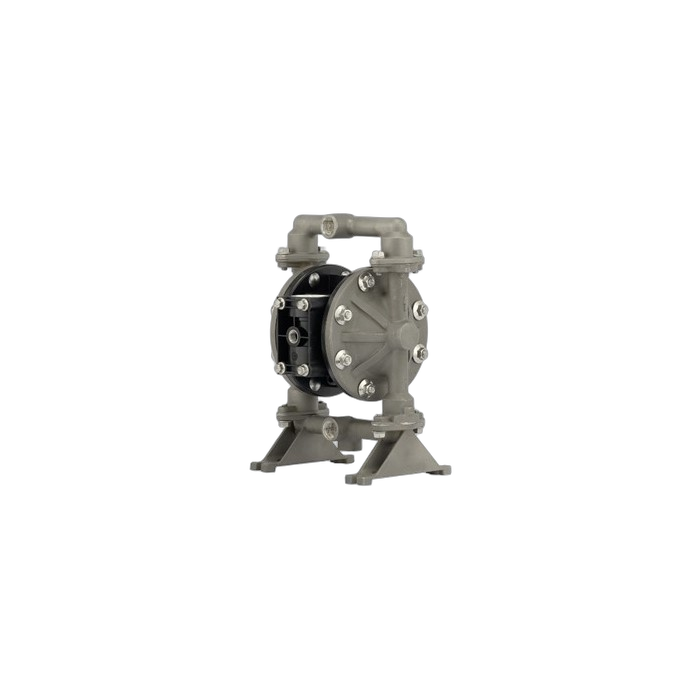
Find and buy diaphragm pumps from verified suppliers on IndustrySearch. A diaphragm pump is a positive displacement pump that moves fluids by oscillating a flexible diaphragm within a chamber fitted with inlet and outlet one-way check valves.
Things to consider when buying a Diaphragm Pump:
- Know your application - Important factors to know before getting started are fluid temperature, viscosity, flow rate,friction loss and pumping height. In the case of air operated diaphragm pumps, maximum available compressed air supply pressure (eg in PSI) and maximum compressed air volume flow rate (eg in CFM) are also useful, according to the pump’s performance curve.
- Choose your pump drive type - Both electric motor and compressed air operated diaphragm pumps are available. Consider air operated diaphragm pumps when handling hazardous materials (eg flammable, toxic, highly acidic or alkaline, etc) or when operating in a hazardous environment>
- Select your pump material - Pump casings and seals are available in a wide variety of materials such as stainless steel, aluminium, PTFE, PVDF, POM, etc. Make sure to check for goodchemical compatibility.
- Select for long service life - Select a pump that will operate at about 50% of its maximum flow rate under normal use for your application to ensure reliable, long lasting operation.
Contact our vendors for a free quote or expert advice on Diaphragm pumps. Delivery available Australia wide.

- Air-operated diaphragm pumps (AODD): These pumps use compressed air as the power source to move the diaphragm and transfer fluids.
- Electric diaphragm pumps: These pumps are powered by electricity and are ideal for low-pressure applications.
- Hydraulic diaphragm pumps: These pumps use oil or other hydraulic fluids to power the diaphragm and transfer fluids.
- Mechanical diaphragm pumps: These pumps use a mechanical mechanism to move the diaphragm and transfer fluids.
- Pneumatic diaphragm pumps: These pumps use pressurized air to power the diaphragm and transfer fluids.
- Solenoid diaphragm pumps: These pumps use a solenoid to control the flow of fluids and are often used in medical or laboratory applications.
- Chemical processing: Diaphragm pumps are frequently used in chemical processing applications to transfer and meter harsh and corrosive chemicals.
- Water treatment: Diaphragm pumps are used to transfer and meter chemicals used in water treatment applications, such as chlorination and pH adjustment.
- Food and beverage processing: Diaphragm pumps are used in food and beverage processing applications to transfer and meter products such as syrup, honey, and dairy products.
- Pharmaceuticals: Diaphragm pumps are used to transfer and meter pharmaceutical products, such as vaccines, medications, and IV fluids.
- Oil and gas: Diaphragm pumps are used in oil and gas applications to transfer and meter fluids, such as drilling muds and fracking fluids.
- Agriculture: Diaphragm pumps are used in agriculture applications to transfer and meter fertilizers, pesticides, and herbicides.
- Automotive: Diaphragm pumps are used in automotive applications to transfer and meter fluids, such as coolant and fuel.
- Mining: Diaphragm pumps are used in mining applications to transfer and meter slurry and other abrasive materials.
- Flow rate: Determine the required flow rate for your application. This is typically measured in gallons per minute (GPM) or liters per minute (LPM).
- Pressure: Determine the required pressure for your application. This is typically measured in pounds per square inch (PSI) or bar.
- Fluid compatibility: Ensure that the materials of construction of the pump are compatible with the fluid being pumped. This includes the diaphragm material, as well as the wetted materials of the pump.
- Solids handling: Determine if your application requires the pump to handle solids. If so, consider a pump with a larger diaphragm size and solids handling capability.
- Port size: Ensure that the pump's port size matches the plumbing in your application.
- Power source: Determine if your application requires an electric or air-operated pump.
- Environment: Consider the environmental conditions in which the pump will operate, including temperature, humidity, and potential exposure to corrosive or abrasive substances.
- Versatility: Diaphragm pumps can handle a wide range of fluids, including abrasive and viscous liquids, as well as liquids with solids in suspension.
- Self-priming: These pumps are self-priming, meaning they can operate without the need for a separate priming mechanism.
- Low maintenance: Diaphragm pumps have few moving parts, making them easy to maintain and repair. They also have a long service life.
- Safe operation: Because diaphragm pumps are air-operated, they are safe to use in hazardous environments, such as those with explosive gases or flammable liquids.
- Energy efficient: Diaphragm pumps require less energy to operate than other types of pumps, which can result in lower operating costs.
- Portable: Some diaphragm pumps are designed for portability, making them ideal for use in remote locations or for applications where a fixed pump is not practical.
- Check the oil level: Diaphragm pumps require oil for lubrication. Check the oil level regularly and top up if necessary.
- Inspect the diaphragm: Check the diaphragm for any signs of wear and tear, cracks, or punctures. Replace it if needed.
- Clean the pump: Clean the pump regularly to remove any debris or dirt that might cause damage to the pump.
- Check the valves: Check the inlet and outlet valves for any blockages or damage. Replace them if necessary.
- Inspect the seals: Inspect the seals for any signs of wear and tear. Replace them if needed.
- Lubricate moving parts: Apply lubricant to the moving parts of the pump to prevent friction and wear.
- Test the pump: Test the pump regularly to ensure it is working properly. Check the flow rate and pressure to make sure they are within the recommended range.
- When it comes to installation, diaphragm pumps typically come with clear instructions and can be easily mounted in a variety of configurations. They require minimal piping and can be connected to hoses or pipes with standard fittings. Operating a diaphragm pump is also relatively straightforward, with most models featuring simple on/off switches or control panels.
- Chemical compatibility: Diaphragm pumps are commonly used to transfer chemicals and other hazardous fluids. It is important to ensure that the materials used in the pump are compatible with the fluid being pumped. Always check the pump manufacturer's recommendations for chemical compatibility.
- Pressure relief: Diaphragm pumps can generate high pressures, which can be dangerous if not properly controlled. Make sure to install a pressure relief valve to prevent the pump from exceeding its maximum pressure rating.
- Ventilation: Many fluids that are pumped with a diaphragm pump can be hazardous if inhaled. Always work in a well-ventilated area and use appropriate personal protective equipment (PPE) such as respirators or masks.
- Electrical safety: Diaphragm pumps are often powered by electricity. Make sure to use a grounded electrical outlet and follow all electrical safety precautions when using the pump.
- Maintenance: Regular maintenance is essential for ensuring the safe and efficient operation of a diaphragm pump. Always follow the manufacturer's recommended maintenance schedule and procedures.
- Installation: Proper installation is critical for the safe operation of a diaphragm pump. Ensure that the pump is installed correctly and securely, and that all connections are tight and leak-free.
Diaphragm Pump Costs and Supplier Insights
Buy a Diaphragm Pump Near Me


 Reach valuable industrial buyers in minutes
 Promote key products & content
 Drive cost effective & measurable sales