
Submersible Pump

Join industrial buyers comparing supplier quotes and buying with confidence. Free, quick and easy.


How IndustrySearch works
Tell us what you need
Answer a few quick questions about the equipment you're looking for.
Get personalised quotes
Receive tailored quotes from relevant Australian suppliers.
Compare and choose
Compare quotes, ask questions and choose the best option for you.
 Save time
 Compare quotes
 Buy with confidence
Save time, compare quotes & buy with confidence
Submersible Pump & Sump Pump Suppliers
All pumps can pump water, it’s their job. But the only pumps that can do their job while completely submerged in water are submersible pumps.
Submersible pumps convert rotary energy to kinetic energy to push water to the surface. Water is pulled into the pump intake and then pushed through a diffuser by the pump's impellers to the surface.
Whether pumping rainwater after a flood or draining and grinding wastewater, submersible pumps are an affordable and highly effective option.
Unlike jet pumps, submersible pumps push water or sewerage to the surface using atmospheric pressure to create a vacuum. If jet pumps are also on your pump shopping list, make sure to do some direct comparisons as submersible pumps generally perform more efficiently.
Versatile, sturdy and reliable, submersible pumps have become very popular with domestic and industrial users alike. With a submersible pump, there’s no priming and no vapour bubbling, an operator simply lowers the pump into groundwater and starts pumping.

Established in 2003, Industrial Separation Systems has extensive experience in our industry providing oil separation systems designed to suit your business needs.
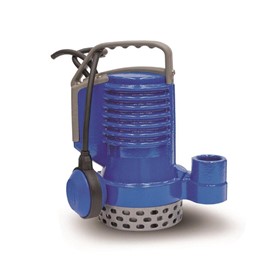

- Borehole pumps: These pumps are used for pumping water from deep wells or boreholes.
- Sewage pumps: These pumps are used for pumping sewage and wastewater from residential and commercial buildings.
- Fountain pumps: These pumps are used for creating decorative fountains and water features in gardens and public spaces.
- Aquarium pumps: These pumps are used for circulating water in aquariums and fish tanks.
- Sump pumps: These pumps are used for removing water from basements and other low-lying areas prone to flooding.
- Deep well pumps: These pumps are used for pumping water from deep wells or boreholes.
- Irrigation pumps: These pumps are used for pumping water for agricultural irrigation.
- Pond pumps: These pumps are used for circulating water in ponds and other water features.
- Regular cleaning: The pump should be cleaned regularly to remove any debris or sediment that may have accumulated in the pump.
- Checking the motor: The motor should be checked regularly to ensure that it is running smoothly and that there are no signs of wear or damage.
- Lubrication: The pump should be lubricated regularly to ensure that all moving parts are working smoothly.
- Checking the impeller: The impeller should be checked regularly to ensure that it is not clogged or damaged.
- Checking the electrical connections: The electrical connections should be checked regularly to ensure that they are secure and that there are no signs of damage or wear.
- Checking the pressure switch: The pressure switch should be checked regularly to ensure that it is working properly and that the pump is turning on and off at the correct pressure.
- Checking the check valve: The check valve should be checked regularly to ensure that it is working properly and that there are no signs of wear or damage.
Submersible Pump Costs and Supplier Insights
Buy a Submersible Pump Near Me


 Reach valuable industrial buyers in minutes
 Promote key products & content
 Drive cost effective & measurable sales