Choosing a metal baler requires more than comparing press force. Material type, processing volume, bale dimensions, and site power supply all affect whether a machine suits a recycling operation.
1. What Capacity Do You Need for Aluminum Extrusions and Copper Scrap?
For a metal recycling business, the first step is to assess the quantity and type of scrap being processed. A machine that meets today's requirements may become a bottleneck as the business grows.
When evaluating a metal baler, consider:
Material mix: Aluminum extrusions, copper, and stainless steel have different characteristics and may require different operating configurations.
Processing volume: Estimate the amount of scrap generated or collected daily and monthly.
Bale dimensions: Check whether the finished bales suit your storage, loading, and transportation arrangements.
Future demand: Consider whether the machine can accommodate anticipated increases in material volume.
Press force alone does not determine the right machine. The final selection should be based on actual material tests and operating requirements.
2. Australian Case Study: Upgrading a Metal Baler for Growing Scrap Volumes
An Australian metal recycling business operates two recycling sites in Melbourne and two in Tasmania. As its business expanded, the capacity of its existing equipment was no longer sufficient for its growing processing needs.
The company had previously purchased ENERPAT equipment, and the machine operating in Tasmania had been running well, with no problems reported by the customer.
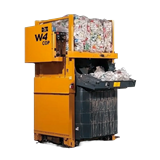
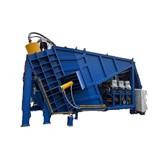
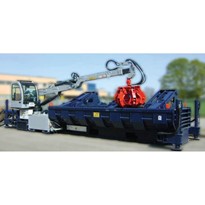
To address the increased demand, ENERPAT recommended the AMB-L2014-250 metal baler for processing aluminum extrusions, copper, stainless steel, and other suitable scrap metals.
Key specifications
Press force: 250 tons
Press chamber: 2000 × 1400 × 900 mm
Motor power: 2 × 22 kW
Bale size: 500 × 500 mm
The 500 × 500 mm bale format provides a defined size for storage and handling. Its suitability for the customer's operation depends on the material characteristics and downstream handling requirements.
The customer's previous operating experience and the availability of technical and installation support were also important considerations when evaluating the next machine.
3. Should You Use a Generator to Power a Metal Baler?
Power supply is another factor to consider when choosing a metal baler, particularly at sites where a dedicated diesel-driven configuration is being considered.
In this case, the customer preferred diesel power. An alternative recommendation was to evaluate a separate generator that could supply the baler and potentially other compatible equipment when the baler was not operating.
Before choosing this arrangement, assess:
The baler's electrical load and starting current.
The generator's rated capacity and compatibility.
Whether other equipment will operate at the same time.
Site conditions, fuel use, and maintenance requirements.
A generator may provide flexibility, but the appropriate configuration depends on the complete site power assessment.
4. FAQ: Choosing a Metal Baler for Scrap Recycling
What should you consider when buying a metal baler for aluminum extrusions?
Assess the profile dimensions, material volume, feeding method, required bale size, and the specifications of the receiving recycler. Material testing can help confirm whether a proposed machine is suitable.
Is a 250-ton metal baler suitable for copper and aluminum scrap?
It may be suitable for certain applications, but press force alone is not enough to determine suitability. The material characteristics, required bale dimensions, chamber design, and processing volume should all be evaluated.
When should a recycling business upgrade its metal baler?
Consider an upgrade when the existing machine cannot keep up with current material volumes, no longer fits the operating process, or limits the business's ability to handle additional scrap. Compare actual processing requirements before selecting a higher-capacity machine.