Power tool manufacturers and distributors need a reliable way to manage non-conforming products that cannot be sold. Instead of allowing defective or rejected tools to accumulate, an appropriate recycling process can help prepare them for material recovery.
In Melbourne, Australia, an established ENERPAT customer required an industrial solution to destroy non-conforming power tools, including drills and rotary hammer drills, before sending the processed scrap to recycling companies. ENERPAT supplied and installed two machines for this application: the MSB-E1200 twin shaft shredder and the AMB-H2014-250 hopper metal baler.
1. The Challenge of Processing Non-Conforming Power Tools
Non-conforming power tools may contain a mixture of metals, plastics, electronic components, and batteries. Before recycling, these products need to be handled according to their material composition and safety requirements.
For this Australian project, the objective was to destroy rejected power tools and prepare the resulting scrap for sale to recycling companies.
A suitable processing line needs to consider both size reduction and downstream material handling. The equipment configuration should also account for the tool types being processed and the requirements of the receiving recyclers.
2. A Two-Stage Solution: Shredding and Metal Baling
The ENERPAT MSB-E1200 twin shaft shredder and AMB-H2014-250 hopper metal baler were selected for the power tool processing application.
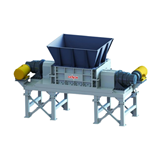
MSB-E1200 Twin Shaft Shredder
The twin shaft shredder provides the size-reduction stage, helping break down suitable non-conforming tools into smaller pieces for subsequent handling and sorting.
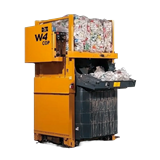
AMB-H2014-250 Hopper Metal Baler
The hopper metal baler is designed to compress suitable metal scrap into compact bales. This can help organize recyclable metal and make storage and transportation more manageable, subject to the material composition and recycler's acceptance requirements.
Together, the two machines support a process that combines shredding with metal scrap compaction. The exact operating sequence and material preparation requirements should be confirmed based on the incoming tools and the intended recycling route.
3. Melbourne Installation: Supporting an Existing ENERPAT Customer
This project was undertaken for an existing ENERPAT customer in Melbourne, Australia. Equipment quality and technical support were important considerations in the customer's ongoing relationship with ENERPAT.
ENERPAT supplied and installed the MSB-E1200 twin shaft shredder and AMB-H2014-250 hopper metal baler to support the customer's non-conforming power tool recycling process.
For industrial recycling applications, equipment selection is only one part of the project. Installation guidance, technical support, and a clear understanding of the intended material flow are also important when integrating shredding and baling equipment into an operating facility.
4. Planning a Power Tool Recycling Line
When planning a power tool recycling system, businesses should consider:
Product types: Identify the tools and components to be processed.
Battery safety: Remove and manage batteries separately in accordance with applicable safety and recycling requirements.
Material separation: Determine how metals, plastics, and electronic components will be sorted.
Downstream requirements: Confirm the material specifications accepted by recycling partners.
Technical support: Work with an equipment supplier to assess the application, installation, and operating process.
The right combination of an industrial shredder and metal baler depends on the incoming materials and the required output.
If your business needs to process non-conforming power tools or other industrial products, contact ENERPAT to discuss your material composition, processing requirements, and recycling objectives.