
Aluminium Composite Panels in Sydney

Join industrial buyers comparing supplier quotes and buying with confidence. Free, quick and easy.

How IndustrySearch works
Tell us what you need
Answer a few quick questions about the equipment you're looking for.
Get personalised quotes
Receive tailored quotes from relevant Australian suppliers.
Compare and choose
Compare quotes, ask questions and choose the best option for you.
 Save time
 Compare quotes
 Buy with confidence
Save time, compare quotes & buy with confidence
Aluminium Composite Panels Suppliers in Sydney

Smartfix Industries is an Aluminium Composite Panels supplier to Sydney
smartfix Industries, an Australian-owned family company is a developer of building facades, and have over thirty years' experience in commercial construction, together with a truly enviable reputation for quality service. During the building boom of the late nineties, preparing for the Sydney Olympics ever, smartfix Industries did indeed excel in their field of expertise, ...


HVG Facades is an Aluminium Composite Panels supplier to All
HVG Facades Pty Ltd distributes a range of superior and innovative facade products throughout Australia for the construction industry. Our products are used in a variety of cladding applications including commercial, education, aged care, and recladding, making us the trusted leader in the supply of façade materials. The HVG Façades range offers high fire performance, low ...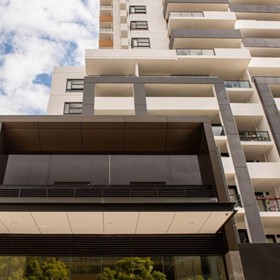
Mondoclad Premium Solid Aluminium Panels
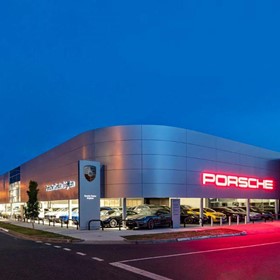
Alucobond Aluminium Composite Panels

- Lightweight: ACPs are lightweight, making them easy to install and handle. This feature allows for fast and efficient installation, thereby reducing the overall construction time and labor costs.
- Fire-resistant: ACPs are fire-resistant, making them a safe building material. This feature is particularly important for buildings that require strict fire safety regulations, such as hospitals and schools.
- Durability: ACPs are durable and can withstand harsh weather conditions and environmental factors such as moisture, sunlight, and wind. This feature makes them ideal for both indoor and outdoor applications.
- Cost-effective: ACPs are cost-effective compared to other building materials such as solid aluminum and steel. They offer a cost-effective solution without compromising on quality and durability.
- Design flexibility: ACPs offer design flexibility as they can be customized to meet the specific needs of a project. They can be cut into various shapes and sizes and come in a wide range of finishes, colors, and textures.
- Low maintenance: ACPs require minimal maintenance, making them ideal for buildings with high traffic areas such as airports and shopping centers. They are easy to clean and require no painting or polishing.
- Standard ACPs: These are the most commonly used ACPs in Australia. They are made of two layers of aluminium sheets with a polyethylene core. They are lightweight, easy to install, and available in a range of colours and finishes.
- Fire-resistant ACPs: These ACPs are designed to meet the stringent fire safety regulations in Australia. They are made of fire-resistant materials such as mineral-filled core, ceramic-filled core, or non-combustible core. They are ideal for high-rise buildings, hospitals, schools, and other public spaces.
- PVDF ACPs: These ACPs have a polyvinylidene fluoride (PVDF) coating, which provides superior weather resistance, UV resistance, and durability. They are ideal for outdoor applications and come in a range of colours and finishes.
- Nano ACPs: These ACPs have a special coating that makes them resistant to dirt, dust, and other pollutants. They are easy to clean and maintain, making them ideal for high-traffic areas such as hospitals, airports, and shopping centres.
- Granite/marble finish ACPs: These ACPs have a granite or marble finish, which gives them a natural stone look. They are ideal for interior and exterior cladding, facades, and signage.
- Brushed/mirror finish ACPs: These ACPs have a brushed or mirror finish, which gives them a sleek and modern look. They are ideal for architectural features, signage, and branding.
- The first step in installing ACPs is to measure the area where the panels will be installed. This includes taking into account any obstructions, such as windows, doors, and corners. Once the measurements are taken, the panels are cut to size using a saw or shears.
- Next, the surface where the ACPs will be installed must be prepared. This involves cleaning the surface and ensuring that it is level and smooth. Any imperfections in the surface should be addressed before the panels are attached.
- The ACPs are then attached to the surface using a variety of methods, including mechanical fasteners, adhesive, or a combination of both. Mechanical fasteners, such as screws or rivets, are used to secure the panels to the building. Adhesive is used to provide additional support and to ensure that the panels are securely attached.
- Finally, the edges of the panels are sealed to prevent moisture from getting behind the panels and causing damage. This is typically done using caulking or sealant.
- The National Construction Code (NCC) is the primary regulatory document that outlines the fire safety requirements for ACPs in Australia. The NCC requires that all ACPs used in external wall cladding must comply with either the Australian Standard AS 1530.1 or the European Standard EN 13501- These standards test the fire performance of ACPs and determine their level of combustibility and spread of flame.
- Additionally, the NCC requires that the use of ACPs comply with the Building Code of Australia (BCA) and be approved by the relevant building authority. The BCA sets out specific requirements for the use of ACPs in different types of buildings, based on their height and occupancy classification. For example, buildings over 25 meters in height are required to use non-combustible cladding materials.
- In 2018, the Australian government also established a national ban on the use of ACPs with a core consisting of more than 30% polyethylene. This ban applies to all new buildings and major refurbishments, and aims to reduce the risk of fire spread in the event of a fire.
Aluminium Composite Panels Costs and Supplier Insights
Why choose a supplier in Sydney for Aluminium Composite Panels Quotes?
If you are in Sydney and considering purchasing an Aluminium Composite Panels, it's worth considering Sydney-based suppliers. Doing so offers several benefits that are particularly relevant to businesses in the area. Here are the top reasons why opting for a local Sydney supplier can be the best decision for your Aluminium Composite Panels buying needs.
Compliance Assurance with Sydney ExpertiseGain assurance in regulatory compliance for your Aluminium Composite Panels with Sydney's expertise. Local suppliers are proactive in maintaining legal standards.
Benefit from Sydney Supplier ExpertiseEnhance your Aluminium Composite Panels's functionality with cutting-edge customisations. Tailored enhancements drive better business outcomes.
Streamlined Supply Chain with Sydney SuppliersStreamline your supply chain by choosing Aluminium Composite Panels suppliers in Sydney. Local sourcing simplifies logistics and speeds up your operations.
Long-Term Service CommitmentRely on a long-term service commitment from Aluminium Composite Panels suppliers. Their proximity allows for excellent support and partnership.
Superior Standards with Sydney ExpertiseBenefit from superior Aluminium Composite Panels standards provided by Sydney suppliers. Their expertise ensures products are built to last and perform exceptionally.
Support Local Industry with Aluminium Composite Panels PurchasesSupport local industry and commerce by choosing Aluminium Composite Panels from Sydney. Every purchase helps sustain and grow the local business ecosystem.
Buy a Aluminium Composite Panels Near Me
Aluminium Composite Panels for sale in Sydney
Aluminium Composite Panels for sale in Brisbane
Aluminium Composite Panels for sale in Perth
Aluminium Composite Panels for sale in Hobart
Aluminium Composite Panels for sale in Adelaide
Aluminium Composite Panels for sale in Darwin

 Reach valuable industrial buyers in minutes
 Promote key products & content
 Drive cost effective & measurable sales