
Ceramics in Brisbane

Join industrial buyers comparing supplier quotes and buying with confidence. Free, quick and easy.

How IndustrySearch works
Tell us what you need
Answer a few quick questions about the equipment you're looking for.
Get personalised quotes
Receive tailored quotes from relevant Australian suppliers.
Compare and choose
Compare quotes, ask questions and choose the best option for you.
 Save time
 Compare quotes
 Buy with confidence
Save time, compare quotes & buy with confidence
Ceramics Suppliers in Brisbane

Gullco is an Ceramics supplier to Brisbane
Gullco is a world leader in the design, manufacture and distribution of industry proven highly reliable welding and weld prep equipment. Our cost effective products are extremely versatile and can be adapted to a wide variety of applications. Gullco products will improve the quality of welds, reduce weld time. improve the efficiency of your operations and reduce your costs. Gullco ...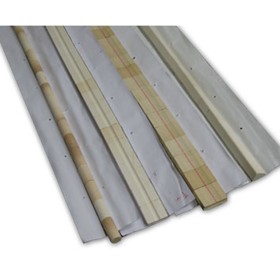

- High Temperature Resistance: Ceramics can withstand high temperatures without melting or deforming, making them ideal for applications that involve high heat or thermal stress.
- Wear and Corrosion Resistance: Ceramic components are highly resistant to wear and corrosion, making them ideal for use in harsh environments where other materials would quickly degrade.
- Electrical Insulation: Ceramics are excellent electrical insulators, making them useful in electronic and electrical applications.
- Biocompatibility: Some ceramics are biocompatible, meaning they are safe for use in medical implants and devices.
- Low Thermal Expansion: Ceramics have a low coefficient of thermal expansion, meaning they expand and contract less with changes in temperature, making them ideal for precision applications.
- Chemical Inertness: Ceramics are chemically inert, meaning they do not react with most chemicals, making them ideal for use in chemical processing and laboratory applications.
- High Strength and Hardness: Ceramics are extremely hard and strong, making them ideal for use in applications that require high strength and durability.
- Ceramic Capacitors: These are used in electronic circuits to store and discharge electrical energy.
- Ceramic Insulators: These are used to insulate electrical wires, components, and devices from each other and from the environment.
- Ceramic Bearings: These are used in high-temperature and high-pressure applications, such as in engines and turbines.
- Ceramic Tiles: These are used as flooring and wall coverings in homes and commercial buildings.
- Ceramic Filters: These are used to remove impurities from liquids and gases, such as in water filtration systems and exhaust gas filters.
- Ceramic Heaters: These are used to generate heat in various applications, such as in space heaters and industrial furnaces.
- Ceramic Sensors: These are used to detect and measure various physical and chemical parameters, such as temperature, pressure, and gas concentration.
- When selecting a ceramic component for your application, you should consider the following factors:
- Material: Choose a material that is suitable for your application in terms of chemical, mechanical, and thermal properties. Some common ceramic materials include alumina, zirconia, silicon nitride, and silicon carbide.
- Size and shape: Determine the size and shape of the ceramic component based on your application requirements.
- Manufacturing process: Consider the manufacturing process used to produce the component, as this can affect its properties and performance.
- Cost: Ceramic components can be more expensive than other materials, so consider the cost in relation to the benefits of using ceramics.
- Performance requirements: Consider the performance requirements of your application, such as electrical conductivity, thermal conductivity, and wear resistance.
- Environmental conditions: Consider the environmental conditions that the ceramic component will be exposed to, such as temperature, humidity, and corrosive substances.
- Application-specific requirements: Consider any specific requirements of your application, such as dimensional tolerances, surface finish, and compatibility with other materials.
- Function: Determine what function the ceramic component will serve in the application. This will help determine the size and shape needed.
- Dimensions: Consider the dimensions of the space where the ceramic component will be installed. Ensure that the component will fit comfortably and securely in the space.
- Material properties: Consider the properties of the ceramic material being used, such as strength, thermal conductivity, and resistance to wear and corrosion. These properties may impact the size and shape needed.
- Manufacturing limitations: Consider the limitations of the manufacturing process, such as the size of the equipment or molds used to create the component.
- Cost: Consider the cost of the component, as larger or more complex shapes may be more expensive to produce.
- Check the supplier's reputation: Research the supplier's reputation by reading customer reviews, checking their certification, and their years of operation.
- Request product specifications: Ask the supplier to provide you with detailed product specifications, including the type of ceramic used, the manufacturing process, and any testing or certification they have received.
- Inspect the product: Before purchasing, inspect the ceramic components for cracks, chips, or other defects. Also, check that the dimensions and tolerances meet your requirements.
- Perform quality control tests: Conducting tests such as hardness, thermal shock resistance, and chemical resistance on the ceramic components can help ensure quality.
- Seek third-party certification: Some ceramic components require certification from third-party organizations. Ensure that the supplier has the necessary certification.
Ceramics Costs and Supplier Insights
Why choose a supplier in Brisbane for Ceramics Quotes?
If you are in Brisbane and considering purchasing a Ceramics, it's worth considering Brisbane-based suppliers. Doing so offers several benefits that are particularly relevant to businesses in the area. Here are the top reasons why opting for a local Brisbane supplier can be the best decision for your Ceramics buying needs.
Local Suppliers are the Key to Supply Chain StrengthMake local Ceramics suppliers in Brisbane key your supply chain strength. Depend on them for quick replenishments and steady supplies.
Local Expertise for Ceramics Legal StandardsBenefit from local expertise in Ceramics legal standards in Brisbane. Stay ahead of regulatory changes with suppliers who focus on compliance.
Cost-Effective Ceramics SolutionsFind cost-effective Ceramics solutions when you buy from suppliers in locally. Local sourcing eliminates many hidden costs associated with international shipping.
Personalised Ceramics ConfigurationsBenefit from personalised Ceramics configurations available exclusively through select local suppliers.
Innovate Faster with Suppliers in BrisbaneInnovate faster and more effectively with local Ceramics suppliers. Being close to the source of new developments gives you a competitive edge.
Reliable Ceramics Products from Brisbane SuppliersRely on dependable Ceramics products from Brisbane suppliers. Their commitment to excellence guarantees satisfaction and performance.
Buy a Ceramics Near Me

 Reach valuable industrial buyers in minutes
 Promote key products & content
 Drive cost effective & measurable sales