
Let us get you 3 quotes
Compare and select the best Colour Sensor
Compare Quotes

Find the right
Colour Sensor in Hobart
Colour Sensor in Hobart
Join industrial buyers comparing supplier quotes and buying with confidence. Free, quick and easy.
How IndustrySearch works
Tell us what you need
Answer a few quick questions about the equipment you're looking for.
Get personalised quotes
Receive tailored quotes from relevant Australian suppliers.
Compare and choose
Compare quotes, ask questions and choose the best option for you.
Looking to buy the best Colour Sensor for sale in Hobart? Get Quotes sends your requirements to expert suppliers in Australia so you get personalised quotes to compare Colour Sensor prices, specifications, features and terms then choose the one that’s right for you. Also compare servicing, consumables and reviews, so you can buy with confidence.
 Save time
 Compare quotes
 Buy with confidence
Save time, compare quotes & buy with confidence
Colour Sensor Suppliers in Hobart
Supplier location

Omron Automation & Robotics | Sensing Solutions & Industrial Automation
Omron Automation & Robotics is an Colour Sensor supplier to All
At Omron, we deal with our customers on the basis of a trusting relationship. As a world leader in automation control we have a broad capacity to provide systems and solutions using a diverse range of products and components. The Oceania region covers a vast distance incorporating Australia, New Zealand, Papua New Guinea and the islands of the South Pacific. From micro-relays ...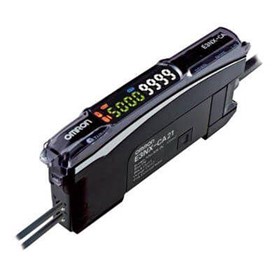

Colour Sensor
Colour Sensor
What is a colour sensor, and how does it work?
A color sensor is a device that detects and measures the color of an object or surface. It works by using a light source to illuminate the object and then measuring the amount of light that is reflected back. The sensor then analyzes the wavelengths of the reflected light to determine the color of the object. Some color sensors use a combination of red, green, and blue filters to detect color, while others use more advanced technology such as spectrometry to provide more accurate color measurements. Color sensors are used in a variety of applications, including color matching, color sorting, and quality control in manufacturing.
What are the different types of colour sensors available in the market?
There are several types of color sensors available in the market, including RGB color sensors, CMOS color sensors, photodiode color sensors, and spectrophotometers. RGB color sensors use red, green, and blue filters to detect colors, while CMOS color sensors use an array of photodiodes to detect colors. Photodiode color sensors use a single photodiode to detect colors, and spectrophotometers use a prism or diffraction grating to separate light into its component colors for analysis. Each type of color sensor has its own advantages and disadvantages, and the choice of sensor depends on the specific application requirements.
What are the applications of colour sensors?
Colour sensors are used in a variety of applications, including:
- Industrial automation: Colour sensors are used in manufacturing and production lines to detect and sort products based on their colour.
- Medical diagnostics: Colour sensors are used in medical devices to detect changes in skin colour, which can indicate health problems.
- Food processing: Colour sensors are used to ensure the quality and consistency of food products, such as detecting the ripeness of fruits and vegetables.
- Printing: Colour sensors are used in printing machines to ensure accurate colour reproduction.
- Automotive: Colour sensors are used in automotive applications to detect the colour of traffic lights and road signs.
- Robotics: Colour sensors are used in robotics to detect and identify objects based on their colour.
- Security: Colour sensors are used in security systems to detect changes in colour, such as the presence of an intruder.
What is the accuracy level of a colour sensor?
The accuracy level of a colour sensor can vary depending on the specific sensor and its capabilities. Some colour sensors may have an accuracy level of +/- 1-2% while others may have an accuracy level of +/- 0.1%. It is important to check the specifications of the sensor to determine its accuracy level.
What is the price range of colour sensors in Australia?
However, the price range of colour sensors in Australia may vary depending on the brand, model, and features. It is recommended to check online marketplaces or electronic stores to get an idea of the current price range.
What are the factors to consider when choosing a colour sensor?
When choosing a color sensor, there are several factors to consider, including the accuracy and precision of the sensor, the range of colors it can detect, the response time, the size and form factor of the sensor, the interface and communication protocols, and the cost. Additionally, it is important to consider the specific application and environment in which the sensor will be used, as this can impact the sensor's performance and suitability. Other factors to consider may include the power consumption, durability, and ease of integration with other systems or devices.
Can a colour sensor be integrated with other devices or systems?
Yes, a colour sensor can be integrated with other devices or systems. It can be connected to microcontrollers, such as Arduino or Raspberry Pi, to enable colour detection and processing. It can also be integrated with robots, drones, and other automated systems to enable colour-based decision making and actions. Additionally, it can be integrated with smart home systems to enable colour-based lighting control and other features.
What is the warranty period for a colour sensor?
The warranty period for a color sensor may vary depending on the manufacturer and the product. It is recommended to check the product manual or contact the manufacturer for information on the warranty period.
How easy is it to install and use a colour sensor?
However, based on research, the ease of installation and use of a colour sensor may vary depending on the specific model and brand. Some colour sensors may require more technical knowledge and programming skills, while others may have user-friendly interfaces and simple installation processes. It is important to carefully read the instructions and specifications of the colour sensor before purchasing and installing it to ensure it meets your needs and technical abilities.
Are there any training or support resources available for using a colour sensor?
However, it is recommended to check with the manufacturer of the colour sensor or search online for tutorials and guides on how to use it effectively. Additionally, online forums and communities dedicated to robotics and electronics may provide helpful insights and advice.
Get 3+ Quotes Now - Compare prices, availability and quality. It’s free, quick and secure.
Back to top
Colour Sensor Costs and Supplier Insights
The listed price of a Colour Sensor for sale ranges from $500 to $3,000, averaging $1,750.
Use Get Quotes to receive personalised prices and proposals from trusted suppliers with top reviews and excellent service.
Buy a Colour Sensor Near Me
Save time and delivery costs while getting fast support, by contacting Colour Sensor suppliers near you.

Are you a Colour Sensor supplier?
 Reach valuable industrial buyers in minutes
 Promote key products & content
 Drive cost effective & measurable sales
learn more
Reach valuable industrial buyers in minutes
Promote key products & content
Drive cost effective & measurable sales