
Control Valve in Melbourne

Join industrial buyers comparing supplier quotes and buying with confidence. Free, quick and easy.






How IndustrySearch works
Tell us what you need
Answer a few quick questions about the equipment you're looking for.
Get personalised quotes
Receive tailored quotes from relevant Australian suppliers.
Compare and choose
Compare quotes, ask questions and choose the best option for you.
 Save time
 Compare quotes
 Buy with confidence
Save time, compare quotes & buy with confidence
Control Valve Suppliers in Melbourne
AMS Instrumentation & Calibration is an Control Valve supplier to Melbourne
AMS Instrumentation & Calibration Pty Ltd (AMS) has been in existence for more than 38 years supplying calibration equipment and industrial instrumentation to all industries. With more than 225 years of instrumentation experience of staff, we are sure we can offer our customers a solution to their problems. AMS has a proven track record of satisfied customers, which we believe ...Customers: BHP, Santos, Shell, Australian Navy, Coca Cola, CSL, ANSTO, Rio Tinto, FMG, Oil Search
Makken is an Control Valve supplier to All
MAKKEN – Sheet Metal Machinery Solutions Over 25 Years of Industry Experience | Melbourne, Australia MAKKEN is a Melbourne-based sheet metal machinery company with over 25 years of industry experience, specializing in roll forming machines and sheet metal processing equipment. Our machines are used by many top companies, including BEST SHEDS, SRSC and MECANO, supporting ...

Measurement Plus is an Control Valve supplier to Melbourne
Measurement Plus is an Australian company specializing in the distribution and service of quality measurement instrumentation, valves and valving systems. Our mission is to offer a superior level of service to support our customers in Australia, New Zealand and South East Asia. Our company is ISO 9001 accredited and we are continually working with our suppliers and customers ...

Pressure and Safety Systems is an Control Valve supplier to Melbourne
Pressure and Safety System is a Australian importer, stockist and distributor, service and repair agent for several world renowned manufacturers of Safety and Relief Valves, Liquid Level Gauges and Rupture Discs and Explosion Panels from the USA, UK and Europe. Pressure and Safety Systems has supplied quality products to general industry as well as the oil and off shore gas ...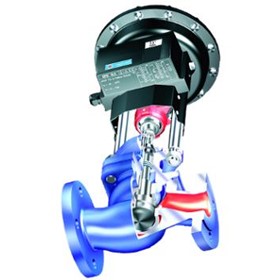
Control Valves | ARI
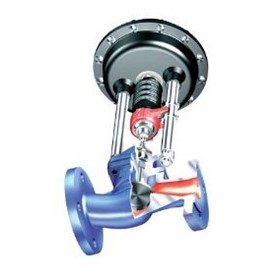
Control Valves | ARI-STEVI 405

Kim Diaphragm Valves is an Control Valve supplier to Melbourne
Kim Diaphragm Valves is a manufacturer and distributor of a wide variety of industrial valves. Our core business is corrosion and abrasion resistant flow control. Our foundation product range of Straight Through and Weir Type diaphragm valves is specified by instrumentation and mechanical engineers around the globe on the strength of a wide spread reputation for quality, ...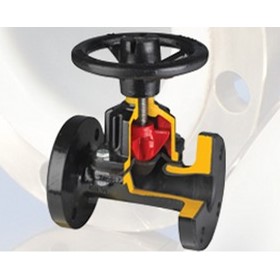
KDV Control Valve - Straight Through Type Diaphragm Valves
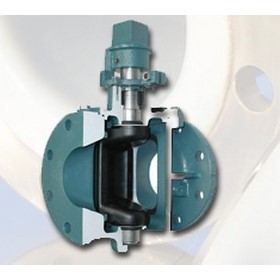
Kim Diaphragm Valves Control Valve - Plug Valve

CGB Precision Products is an Control Valve supplier to Melbourne
CGB Precision Products is a specialist supplier of super precision ball bearings and related components. With the world's best products we have been successfully serving applications in aviation, defence, manufacturing, and medical instrumentation for over 35 years. We are the Australian representatives for top brands such as Barden, FAG, Kaydon & Gamet, Kamatics, Heim, ...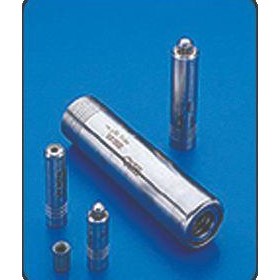
Precision Specialty Tooling is an Control Valve supplier to Melbourne
PRECISION SPECIALTY TOOLING is an importer and wholesale distributor of quality industrial, engineering, and automotive tooling products. We source from quality manufacturers globally and sell through a national distribution network of industrial, automotive, fastener, tooling, and workshop specialist distributors. We have a great range of tooling products of a high quality ...

Gates Australia is an Control Valve supplier to Melbourne
Gates Corporation is a leading manufacturer of application-specific fluid power and power transmission solutions. At Gates, we are driven to push the boundaries of materials science to engineer products that continually exceed expectations. We don’t rest on our rich heritage of innovation. We leverage it to inspire solutions that will power the next hundred years. We invest ...

- Globe valve: This is a linear motion valve that is commonly used to control the flow of fluids in a pipeline. It is suitable for applications where precise control is required.
- Ball valve: This is a rotary motion valve that is used to control the flow of fluids or gases. It is suitable for applications where quick and reliable shut-off is required.
- Butterfly valve: This is a rotary motion valve that is used to regulate the flow of fluids or gases. It is suitable for applications where a tight shut-off is not required.
- Diaphragm valve: This is a type of valve that uses a flexible diaphragm to regulate the flow of fluids or gases. It is suitable for applications where the fluid is corrosive or abrasive.
- Needle valve: This is a type of valve that has a tapered needle-like plunger that is used to regulate the flow of fluids or gases. It is suitable for applications where precise control is required.
- Solenoid valve: This is an electrically operated valve that is used to control the flow of fluids or gases. It is suitable for applications where remote control is required.
- Pressure relief valve: This is a safety valve that is used to release excess pressure from a system. It is suitable for applications where pressure control is critical.
- Define the process requirements: Determine the process conditions, such as pressure, temperature, flow rate, and fluid properties, that the control valve will be required to handle.
- Identify the control objectives: Determine the performance requirements for the control valve, including the required flow rate accuracy and response time.
- Consider valve types: Evaluate the different types of control valves available, such as globe, butterfly, ball, and diaphragm valves, and determine which type is best suited for the application.
- Evaluate valve features: Consider the various features and options available, such as valve size, actuator type, valve trim, and valve body material, and determine which features are necessary for the application.
- Review supplier offerings: Evaluate the offerings of different valve suppliers and compare their products based on their performance, reliability, and cost.
- Process parameters - Consider the fluid type, pressure, temperature, viscosity, flow rate, and other process parameters that affect valve performance.
- Valve type - Choose the appropriate valve type, such as globe, butterfly, ball, or diaphragm valves based on the application requirements.
- Actuator type - Select the appropriate actuator type, such as pneumatic, electric, or hydraulic actuators, based on the process requirements.
- Valve size - Choose the right valve size that matches the pipe or duct size and the required flow rate.
- Material selection - Consider the material compatibility with the process fluid, environmental factors, and the required service life.
- Control options - Determine the required control options, such as on/off, proportional, or modulating control, and choose the valve that meets these requirements.
- Installation and maintenance - Consider the ease of installation, maintenance, and replacement of the valve and its components.
- Some of the commonly used materials for control valves include:
- Stainless steel: It is a popular choice for control valves due to its corrosion resistance and durability.
- Brass: It is commonly used in low-pressure applications as it is cheaper than stainless steel.
- Bronze: It is used in seawater and other marine applications as it is resistant to corrosion.
- Cast iron: It is used in applications where high strength and durability are required.
- Plastics: They are used in applications where corrosion resistance and low weight are required.
- Ceramic: They are used in applications where high wear resistance and chemical resistance are required.
- Hastelloy: It is used in applications where high resistance to corrosion and high-temperature resistance are required.
- Select the appropriate valve for the application and ensure that it meets the required specifications.
- Install the valve according to the manufacturer's instructions, including proper alignment, mounting, and connection to the process piping.
- Set the valve's operating parameters, such as the maximum and minimum flow rates, and the desired pressure drop.
- Verify that the valve is functioning correctly by performing a leak test, stroke test, and flow test.
- Regularly inspect the valve for signs of wear, damage, or corrosion, and replace any damaged parts or components as needed.
- Lubricate the valve according to the manufacturer's recommendations to ensure smooth operation.
- Calibrate the valve periodically to ensure that it is performing within the desired parameters.
- Monitor the valve's performance over time to identify any changes or issues that may require maintenance or replacement.
- Flow Capacity: The maximum flow rate that the valve can handle without causing excessive pressure drop or flow turbulence.
- Valve Size: The size of the valve should be chosen based on the required flow rate and the pipe diameter.
- Valve Type: Different types of valves are available, including globe, ball, butterfly, and diaphragm valves, each with unique characteristics and advantages.
- Body Material: The material used for the valve body should be compatible with the fluid or gas being controlled and the operating conditions, such as temperature and pressure.
- Actuator Type: The type of actuator used, such as electric, pneumatic, or hydraulic, affects the valve's response time and accuracy.
- Leakage Class: The valve's ability to prevent fluid or gas leakage when closed is essential, and the leakage class should be chosen accordingly.
- Cv Value: The Cv value is a measure of the valve's flow capacity and helps in selecting the correct valve size for a given application.
- Trim Material: The trim material, including the valve disk, seat, and stem, should be selected based on the fluid or gas being controlled and the operating conditions.
- Pressure Rating: The valve's pressure rating should match the system pressure to prevent damage or failure.
- Identify the application requirements: Determine the process conditions, such as temperature, pressure, flow rate, and fluid characteristics, to select a valve that is suitable for the application.
- Consider the valve type: There are several types of control valves, including globe, butterfly, ball, and diaphragm valves. Each type has its advantages and disadvantages, so choose the one that best meets your application requirements.
- Evaluate the valve's performance: Look for valves that have been tested and certified by reputable organizations, such as ANSI, API, and ISO. These certifications ensure that the valve meets specific industry standards for performance and safety.
- Check the valve's materials: Consider the valve's construction materials, such as the body, stem, and seat, to ensure they are compatible with the process fluid and will not corrode or degrade over time.
- Consider the valve's maintenance requirements: Choose a valve that is easy to maintain and repair, with readily available spare parts and service support.
- Use reliable suppliers: Work with reputable valve suppliers who can provide technical support, training, and after-sales service to ensure the valve's longevity and safety.
- After-sales support options may include technical support, repair and maintenance services, spare parts availability, and training programs. Some suppliers may offer on-site services, while others may provide remote assistance through phone or email.
Control Valve Costs and Supplier Insights
If you are looking to buy a Control Valve for sale, suppliers on IndustrySearch include AMS Instrumentation & Calibration, Makken
Why choose a supplier in Melbourne for Control Valve Quotes?
If you are in Melbourne and considering purchasing a Control Valve, it's worth considering Melbourne-based suppliers. Doing so offers several benefits that are particularly relevant to businesses in the area. Here are the top reasons why opting for a local Melbourne supplier can be the best decision for your Control Valve buying needs.
On-Site Control Valve Support and TrainingBenefit from on-site support and training in Melbourne. Having access to immediate help and expertise ensures your team uses the equipment effectively.
Support Melbourne's Economy by Buying LocallyBoost Melbourne's economy and foster community development by purchasing from local suppliers.
Advance Your Sustainability GoalsAdvance your sustainability goals by partnering with Control Valve suppliers. Local production lessens environmental impact and promotes greener operations.
Relationships with Melbourne Control Valve SuppliersBuild strong business relationships with Control Valve suppliers. Local interactions promote trust and collaborative opportunities.
Local Expertise for Control Valve RepairsUtilise local expertise for Control Valve repairs in Melbourne. Expert technicians nearby mean less downtime and better maintenance.
Innovative Control Valve DesignsExplore innovative Control Valve designs offered by Melbourne's creative suppliers. Custom designs can significantly improve your operational efficiency.
Buy a Control Valve Near Me
Control Valve Articles & Reviews



 Reach valuable industrial buyers in minutes
 Promote key products & content
 Drive cost effective & measurable sales