
Let us get you 3 quotes
Compare and select the best Temperature Recorder
Compare Quotes

Find the right
Temperature Recorder
Temperature Recorder
Join industrial buyers comparing supplier quotes and buying with confidence. Free, quick and easy.

Get quotes from top Australian suppliers



How IndustrySearch works
Tell us what you need
Answer a few quick questions about the equipment you're looking for.
Get personalised quotes
Receive tailored quotes from relevant Australian suppliers.
Compare and choose
Compare quotes, ask questions and choose the best option for you.
Looking to buy the best Crystal Engineering Temperature Recorder for sale? Get Quotes sends your requirements to expert suppliers in Australia so you get personalised quotes to compare Temperature Recorder prices, specifications, features and terms then choose the one that’s right for you. Also compare servicing, consumables and reviews, so you can buy with confidence.
 Save time
 Compare quotes
 Buy with confidence
Save time, compare quotes & buy with confidence
Temperature Recorder Suppliers
Updated Feb 16, 2024
Supplier Location
Brand
Filter by brand:
Filter by location:

Floyd Australia | PRESSURE | TEMPERATURE | CALIBRATION | SERVICES
For 87 years, Floyd Australia has been designing and manufacturing top-of-the-line instrumentation for all industries that require pressure and temperature measurement. Our product lines of pressure gauges, thermometers, diaphragm seals, transmitters, switches, and accessories, along with an excellent technical support team are trusted by some of the top companies in Australia.
For 87 years, Floyd Australia has been designing and manufacturing top-of-the-line instrumentation for all industries that require pressure and temperature measurement. Our product lines of pressure gauges, thermometers, diaphragm seals, transmitters, switches, and accessories, along with an excellent technical support team are trusted by some of the top companies in Australia.
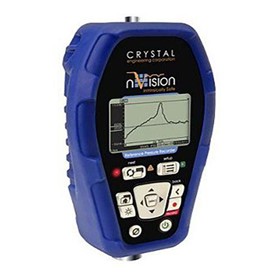

Temperature Recorder
Temperature Recorder
What is a temperature recorder and how does it work?
A temperature recorder is a device that measures and records the temperature of a particular environment over time. It works by using a temperature sensor, which is typically a thermocouple or a resistance temperature detector (RTD), to detect changes in temperature. The sensor is connected to a data logger, which records the temperature readings at regular intervals. The data logger can then be connected to a computer or other device to download and analyze the temperature data. Temperature recorders are commonly used in a variety of industries, including food and beverage, pharmaceuticals, and environmental monitoring.
What are the different types of temperature recorders available in Australia?
There are several types of temperature recorders available in Australia, including:
- Data loggers: These are small, portable devices that can be placed in a variety of locations to record temperature and humidity data over time.
- Chart recorders: These are mechanical devices that use a pen and paper chart to record temperature data over time.
- Infrared thermometers: These devices measure temperature by detecting infrared radiation emitted by an object.
- Thermocouples: These are temperature sensors that consist of two different metals joined together. The temperature difference between the two metals generates a voltage, which can be measured to determine the temperature.
- Resistance temperature detectors (RTDs): These are temperature sensors that use the change in electrical resistance of a metal wire to measure temperature.
- Thermistors: These are temperature sensors that use the change in electrical resistance of a semiconductor to measure temperature.
- Liquid-in-glass thermometers: These are traditional thermometers that use a liquid (usually mercury or alcohol) to measure temperature.
What is the temperature range that a temperature recorder can measure?
However, temperature recorders can measure a wide range of temperatures depending on their design and specifications. Some recorders can measure temperatures as low as -200°C (-328°F) and as high as 1,500°C (2,732°F). Other recorders may have a more limited range, such as -40°C to 85°C (-40°F to 185°F), which is suitable for monitoring temperatures in refrigerators, freezers, and other common applications. It is important to check the specifications of a temperature recorder before purchasing it to ensure that it can measure the temperature range required for the intended application.
How accurate are temperature recorders and what is the resolution of the readings?
Temperature recorders are generally very accurate, with most modern devices having an accuracy of ±0.5°C or better. The resolution of the readings depends on the device and can range from 0.1°C to 0.001°C. Some high-precision temperature recorders can even measure temperature changes as small as 0.0001°C. The accuracy and resolution of a temperature recorder are important factors to consider when selecting a device for a specific application.
What is the memory capacity of a temperature recorder and how long can it record data?
However, the memory capacity and data recording duration of a temperature recorder may vary depending on the model and manufacturer. Some temperature recorders may have a memory capacity of a few hundred readings, while others may have a capacity of several thousand readings. The duration for which a temperature recorder can record data may also vary, ranging from a few hours to several months or even years. It is important to check the specifications of the specific temperature recorder to determine its memory capacity and data recording duration.
What are the power options for a temperature recorder and how long do the batteries last?
The power options for a temperature recorder include replaceable batteries, rechargeable batteries, and external power sources. The battery life depends on the type of battery used and the frequency of data recording. Typically, replaceable batteries can last up to 1-2 years, while rechargeable batteries can last up to 6-12 months. External power sources can provide continuous power supply for long-term monitoring.
What are the software options available for downloading and analyzing the data from a temperature recorder?
There are several software options available for downloading and analyzing data from a temperature recorder, including:
- EasyLog - a software program that allows users to download and analyze data from temperature recorders.
- TempTale Manager - a software program that allows users to download and analyze data from temperature recorders.
- DeltaTrak - a software program that allows users to download and analyze data from temperature recorders.
- MadgeTech - a software program that allows users to download and analyze data from temperature recorders.
- T&D - a software program that allows users to download and analyze data from temperature recorders.
- Onset HOBOware - a software program that allows users to download and analyze data from temperature recorders.
- Vaisala - a software program that allows users to download and analyze data from temperature recorders.
- Testo - a software program that allows users to download and analyze data from temperature recorders.
- Dickson - a software program that allows users to download and analyze data from temperature recorders.
What are the calibration requirements for a temperature recorder and how often does it need to be calibrated?
Temperature recorders need to be calibrated to ensure accurate and reliable temperature measurements. The calibration requirements for a temperature recorder depend on the type of recorder and the industry it is used in. Generally, temperature recorders need to be calibrated at least once a year or more frequently if they are used in critical applications. The calibration process involves comparing the readings of the recorder with a known standard and adjusting the recorder if necessary. Calibration certificates should be kept as proof of calibration and to comply with regulatory requirements.
What are the environmental conditions that a temperature recorder can withstand?
However, in general, temperature recorders can withstand a range of environmental conditions depending on their design and specifications. Some temperature recorders can withstand extreme temperatures ranging from -200°C to +400°C, while others are designed to work in humid or wet conditions. Some temperature recorders are also resistant to shock, vibration, and pressure, making them suitable for use in harsh industrial environments. It is important to check the specifications of the temperature recorder to ensure that it can withstand the environmental conditions in which it will be used.
What is the cost of a temperature recorder and are there any ongoing costs for maintenance or calibration?
The cost of a temperature recorder varies depending on the brand, model, and features. Basic models can cost around $50, while more advanced models with additional features can cost several hundred dollars.
Get 3+ Quotes Now - Compare prices, availability and quality. It’s free, quick and secure.
Back to top
Temperature Recorder Costs and Supplier Insights
The listed price of a Temperature Recorder for sale ranges from $50 to $300, averaging $175.
Use Get Quotes to receive personalised prices and proposals from trusted suppliers with top reviews and excellent service.
Buy a Temperature Recorder Near Me
Save time and delivery costs while getting fast support, by contacting Temperature Recorder suppliers near you.
Back to top
Temperature Recorder Articles & Reviews



Are you a Temperature Recorder supplier?
 Reach valuable industrial buyers in minutes
 Promote key products & content
 Drive cost effective & measurable sales
learn more
Reach valuable industrial buyers in minutes
Promote key products & content
Drive cost effective & measurable sales