
Let us get you 3 quotes
Compare and select the best Current Probe
Compare Quotes

Find the right
Current Probe in Brisbane
Current Probe in Brisbane
Join industrial buyers comparing supplier quotes and buying with confidence. Free, quick and easy.
How IndustrySearch works
Tell us what you need
Answer a few quick questions about the equipment you're looking for.
Get personalised quotes
Receive tailored quotes from relevant Australian suppliers.
Compare and choose
Compare quotes, ask questions and choose the best option for you.
Looking to buy the best Current Probe for sale in Brisbane? Get Quotes sends your requirements to expert suppliers in Australia so you get personalised quotes to compare Current Probe prices, specifications, features and terms then choose the one that’s right for you. Also compare servicing, consumables and reviews, so you can buy with confidence.
 Save time
 Compare quotes
 Buy with confidence
Save time, compare quotes & buy with confidence
Current Probe Suppliers in Brisbane
Supplier location
Brand

NWI Group | Specialist Weighing and Measuring Equipment
Customers: Acciona, BHP, CPB Construction, CSL, Resmed, Alphapharm, Eurofins
NWI Group is an Current Probe supplier to All
NWI is Australia’s leading provider of specialist weighing and measuring equipment, technology and services. Proudly independent and Australian-owned, NWI is a long-term partner to Australian industry. We strive to deliver competitive advantage, with lower cost of ownership, to every client. With offices and people across every state, NWI’s commitment to our customers is ...Customers: Acciona, BHP, CPB Construction, CSL, Resmed, Alphapharm, Eurofins

Hioki AC/DC Current Probe Frequency Bandwidth DC to 100 kHz | CT6846A
Hioki's clamp type AC/DC current sensors can be connected directly to Hioki Power Analyzers and Memory HiCorders. Also, it can be connected ...

Hioki AC/DC Current Probe Rated Current 500 A AC/DC | CT6845A
Hioki's clamp type AC/DC current sensors can be connected directly to Hioki Power Analyzers and Memory HiCorders.

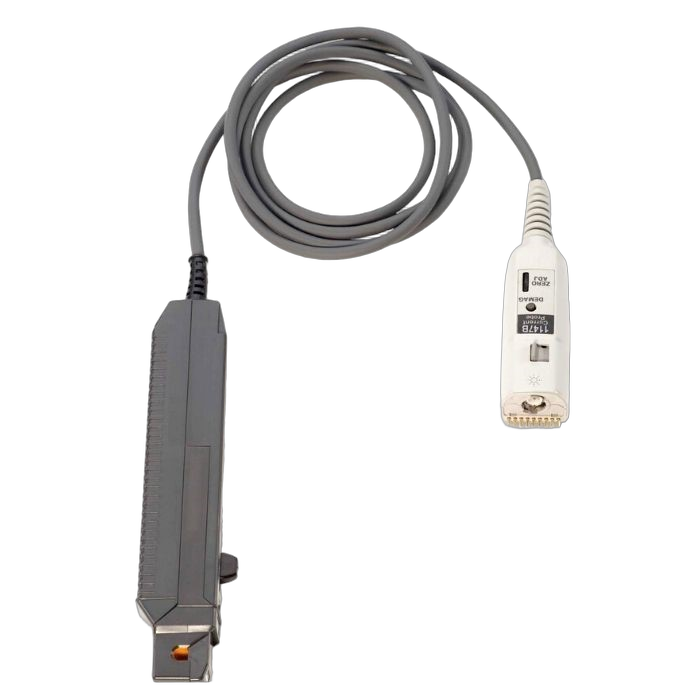
Current Probe
Current Probe
What is a current probe, and how does it work?
A current probe is an electrical device used to measure the current flowing through a conductor without physically touching it. It works by using a magnetic field to induce a voltage in a coil, which is proportional to the current being measured. The probe is placed around the conductor, and the induced voltage is then measured and converted into a current reading. Current probes are commonly used in electrical testing and troubleshooting, as well as in research and development applications.
What are the different types of current probes available in the market?
There are several types of current probes available in the market, including:
- Hall Effect Probes: These probes use the Hall Effect to measure the magnetic field generated by the current flowing through a conductor.
- Rogowski Coils: These probes use a coil of wire to measure the magnetic field generated by the current flowing through a conductor.
- Current Transformers: These probes use a transformer to measure the current flowing through a conductor.
- Shunt Resistors: These probes use a resistor in series with the conductor to measure the current flowing through it.
- Clamp-on Probes: These probes clamp onto the outside of a conductor and measure the magnetic field generated by the current flowing through it.
- AC/DC Probes: These probes can measure both AC and DC currents.
- High-Frequency Probes: These probes are designed to measure high-frequency currents, such as those found in electronic circuits.
What is the maximum current rating of the current probe, and how does it affect my purchase decision?
However, in general, the maximum current rating of a current probe refers to the highest amount of electrical current that the probe can measure accurately without damaging the probe or the device being tested. The maximum current rating is an important consideration when selecting a current probe because it determines the range of current that can be measured. If the current being measured exceeds the maximum rating of the probe, the accuracy of the measurement may be compromised, and the probe may be damaged. Therefore, it is important to choose a current probe with a maximum current rating that is appropriate for the application.
What is the frequency range of the current probe, and how does it affect my purchase decision?
The frequency range of a current probe refers to the range of frequencies that it can accurately measure. It is an important factor to consider when purchasing a current probe as it determines the types of signals it can measure. If you need to measure high-frequency signals, you will need a current probe with a higher frequency range. On the other hand, if you only need to measure low-frequency signals, a current probe with a lower frequency range will suffice. It is important to choose a current probe with a frequency range that matches your specific measurement needs.
What is the accuracy of the current probe, and how does it affect my purchase decision?
However, in general, the accuracy of a current probe is an important factor to consider when making a purchase decision. The accuracy of a current probe refers to how closely it measures the actual current flowing through a circuit. A higher accuracy current probe will provide more precise measurements, which can be important in certain applications. It is important to consider the required level of accuracy for your specific application and choose a current probe that meets those requirements.
What is the input impedance of the current probe, and how does it affect my purchase decision?
The input impedance of a current probe refers to the resistance that the probe presents to the circuit being measured. It is important to consider the input impedance when purchasing a current probe because it can affect the accuracy of the measurement. A lower input impedance can cause the probe to load the circuit and alter the current being measured, while a higher input impedance can provide a more accurate measurement. The ideal input impedance will depend on the specific application and circuit being measured.
What is the output signal of the current probe, and how can I interpret it?
The output signal of a current probe is a voltage signal that is proportional to the current flowing through the conductor being measured. The signal can be interpreted by measuring the voltage and using the probe's calibration factor to convert it into the corresponding current value. The signal can also be displayed on an oscilloscope or other measurement device to visualize the waveform and analyze the current characteristics.
What are the safety precautions I need to take while using a current probe?
Always read the manufacturer's instructions before using the current probe.
- Make sure the current probe is rated for the current you are measuring.
- Use appropriate personal protective equipment such as safety glasses and gloves.
- Ensure that the current probe is properly connected to the measuring instrument.
- Do not touch the current-carrying conductors while taking measurements.
- Keep the current probe away from moisture and heat sources.
- Do not use the current probe in explosive or hazardous environments.
- Do not use the current probe if it is damaged or shows signs of wear and tear.
- Always turn off the power supply before connecting or disconnecting the current probe.
What are the accessories that come with the current probe, and do I need to purchase any additional accessories?
However, in general, the accessories that come with a current probe may vary depending on the manufacturer and model. Some common accessories that may come with a current probe include a carrying case, a user manual, a calibration certificate, and a set of test leads. Whether you need to purchase additional accessories will depend on your specific needs and the application for which you are using the current probe. It is recommended to check the product specifications and consult with the manufacturer or a knowledgeable expert to determine if any additional accessories are necessary.
What is the warranty period of the current probe, and what are the terms and conditions?
Please provide me with more details so that I can assist you better.
Get 3+ Quotes Now - Compare prices, availability and quality. It’s free, quick and secure.
Back to top
Current Probe Costs and Supplier Insights
The listed price of a Current Probe for sale ranges from $100 to $500, averaging $300.
If you are looking to buy a Current Probe for sale, suppliers on IndustrySearch include NWI Group
Use Get Quotes to receive personalised prices and proposals from trusted suppliers with top reviews and excellent service.
Buy a Current Probe Near Me
Save time and delivery costs while getting fast support, by contacting Current Probe suppliers near you.

Are you a Current Probe supplier?
 Reach valuable industrial buyers in minutes
 Promote key products & content
 Drive cost effective & measurable sales
learn more
Reach valuable industrial buyers in minutes
Promote key products & content
Drive cost effective & measurable sales