
Fire & Smoke Alarm in Adelaide

Join industrial buyers comparing supplier quotes and buying with confidence. Free, quick and easy.
How IndustrySearch works
Tell us what you need
Answer a few quick questions about the equipment you're looking for.
Get personalised quotes
Receive tailored quotes from relevant Australian suppliers.
Compare and choose
Compare quotes, ask questions and choose the best option for you.
 Save time
 Compare quotes
 Buy with confidence
Save time, compare quotes & buy with confidence
Fire & Smoke Alarm Suppliers in Adelaide

Trisan is an Fire & Smoke Alarm supplier to Adelaide
Trisan has its roots in an embryonic electric vehicle project undertaken by one of South Australia's universities. Funding was provided by the SA Department of Mines and Energy. Electronic techniques, such as high power control, formed a sound basis for Trisan to build on over the decades. Managing Director and Principle Engineer, Mr. Chris Trimmer, has developed unique designs ...

Davis & Spence is an Fire & Smoke Alarm supplier to All
It all started in 1954 with a vision to provide ‘the most comprehensive and competitively priced’ service to electrical contractors seeking wiring, switches and fittings. Since those early days, Davis & Spence has grown to encompass both trade and retail electricals – including lighting, and commercial air conditioning and refrigeration – and now boasts nationwide distribution ...
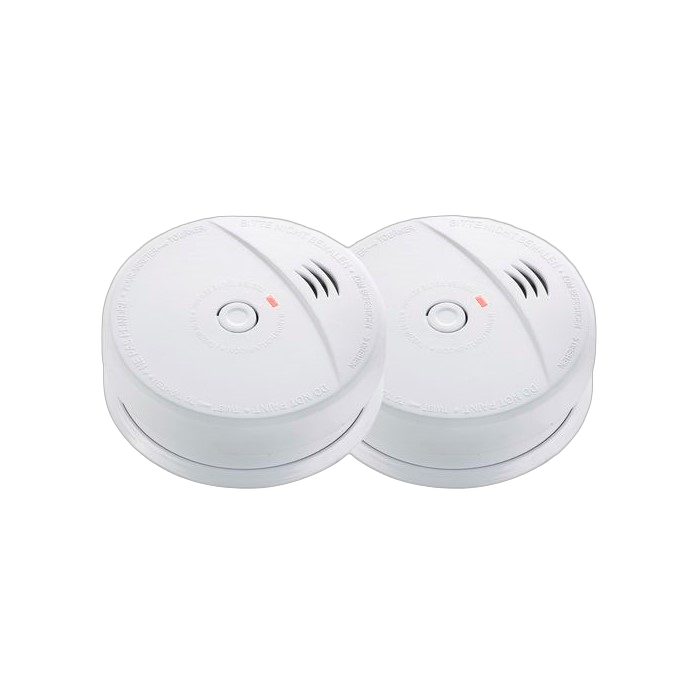
PSA Smoke Detector | LIFCO240-240V

PSA Smoke Detector | PSA2012/24AUSI-4

PLC World is an Fire & Smoke Alarm supplier to All
PLC World is your trusted independent distributor of genuine new, surplus, and refurbished PLC Hardware for industrial automation and networking equipment. We understand the importance of reliable automation equipment that can be delivered faster and at a lower cost than traditional distributors. Our mission is simple: to offer a wide range of products accompanied by excellent ...

- Ionization Smoke Alarms: These alarms detect small particles of smoke that are produced by fast-burning fires. They are ideal for detecting fires that produce flames and smoke quickly.
- Photoelectric Smoke Alarms: These alarms detect large particles of smoke that are produced by slow-burning fires. They are ideal for detecting fires that smolder and produce smoke without flames.
- Dual Sensor Smoke Alarms: These alarms combine both ionization and photoelectric sensors to detect both fast-burning and slow-burning fires.
- Heat Alarms: These alarms detect the heat produced by a fire and are ideal for use in kitchens or other areas where smoke alarms may be triggered by cooking.
- Carbon Monoxide Alarms: These alarms detect the presence of carbon monoxide in the air, which is a poisonous gas that can be produced by faulty heating systems or other appliances.
- Combination Alarms: These alarms combine smoke and carbon monoxide detection in one unit for added protection.
- Ionisation smoke alarms use a small amount of radioactive material to ionize the air inside the alarm. When smoke enters the alarm, it disrupts the ionization process, triggering the alarm.
- On the other hand, photoelectric smoke alarms use a light source and a photocell. When smoke particles enter the alarm, they scatter the light, which is detected by the photocell, triggering the alarm.
- Smoke alarms must be interconnected so that if one alarm sounds, all alarms will sound.
- Smoke alarms must be hardwired with a battery backup or powered by a non-removable battery with a 10-year life span.
- Fire alarms must be installed in commercial buildings and public spaces.
- Installation must be done by a licensed electrician in accordance with Australian Standards.
- Type of sensor: There are two main types of sensors used in fire and smoke alarms: ionization and photoelectric. Ionization sensors are better at detecting fast-burning fires, while photoelectric sensors are better at detecting slow-burning fires. It is recommended to have a combination of both types of sensors for optimal protection.
- Power source: Fire and smoke alarms can be powered by batteries, hardwiring to the home's electrical system, or a combination of both. Battery-powered alarms are portable and easy to install, while hardwired alarms are more reliable but require professional installation.
- Interconnectivity: Interconnected alarms communicate with each other, so if one goes off, all the alarms in the house will sound. This feature is important for larger homes or homes with multiple levels.
- Smart features: Some fire and smoke alarms have smart features such as the ability to send alerts to your smartphone or integrate with a smart home system.
- Carbon monoxide detection: Some fire and smoke alarms also detect carbon monoxide, which is a poisonous gas that can be produced by faulty heating systems or other household appliances.
- Wireless Interconnectivity: This feature allows multiple alarms to communicate with each other wirelessly, so that if one alarm detects smoke or fire, all the alarms will sound an alarm. This ensures that everyone in the house or building is alerted to the danger, even if they are in another room.
- Carbon Monoxide Detection: Carbon monoxide is a deadly gas that is produced by the incomplete combustion of fuels. Many modern fire and smoke alarms also have carbon monoxide detectors built in, which can alert you to the presence of this gas in your home.
- Voice Alerts: Some alarms have a feature that allows them to speak in addition to sounding an alarm. This can be especially helpful for people with hearing impairments, as well as for those who are sleeping and may not hear the alarm.
- Battery Backup: Many fire and smoke alarms are powered by batteries, which can wear out over time. A battery backup ensures that the alarm will continue to function even if the batteries die.
- Smart Features: Some alarms can be connected to a smart home system, which allows you to monitor and control them remotely. This can be especially helpful if you are away from home and want to make sure that your home is safe.
Fire & Smoke Alarm Costs and Supplier Insights
Why choose a supplier in Adelaide for Fire & Smoke Alarm Quotes?
If you are in Adelaide and considering purchasing a Fire & Smoke Alarm, it's worth considering Adelaide-based suppliers. Doing so offers several benefits that are particularly relevant to businesses in the area. Here are the top reasons why opting for a local Adelaide supplier can be the best decision for your Fire & Smoke Alarm buying needs.
Personalised Fire & Smoke Alarm ConfigurationsBenefit from personalised Fire & Smoke Alarm configurations available exclusively through select local suppliers.
Advance Your Sustainability GoalsAdvance your sustainability goals by partnering with Fire & Smoke Alarm suppliers. Local production lessens environmental impact and promotes greener operations.
Reduce CostsReduce operational costs by sourcing your Fire & Smoke Alarm locally. Local suppliers can offer competitive pricing without the added expenses of long-distance logistics.
Streamlined Supply Chain with Adelaide SuppliersStreamline your supply chain by choosing Fire & Smoke Alarm suppliers in Adelaide. Local sourcing simplifies logistics and speeds up your operations.
Compliance with Regulations by Buying LocallyEnsure full compliance with Adelaide regulations when you buy a Fire & Smoke Alarm locally. Local suppliers are familiar with local standards, helping you avoid costly issues.
Access to Fire & Smoke Alarm Training Experts in AdelaideGain direct access to Fire & Smoke Alarm training experts. Local suppliers can provide tailored instruction that fits your specific needs and challenges.
Buy a Fire & Smoke Alarm Near Me

 Reach valuable industrial buyers in minutes
 Promote key products & content
 Drive cost effective & measurable sales