
Grain Analyser in Sydney

Join industrial buyers comparing supplier quotes and buying with confidence. Free, quick and easy.
How IndustrySearch works
Tell us what you need
Answer a few quick questions about the equipment you're looking for.
Get personalised quotes
Receive tailored quotes from relevant Australian suppliers.
Compare and choose
Compare quotes, ask questions and choose the best option for you.
 Save time
 Compare quotes
 Buy with confidence
Save time, compare quotes & buy with confidence
Grain Moisture Meter & Analyser Suppliers in Sydney

FOSS is an Grain Analyser supplier to Sydney
FOSS creates end-to-end solutions that secure and improve food quality. From raw material to finished product. Our analysis instruments refine measurements into information management that enables businesses to run intelligent data-driven productions with less waste and bigger yields. Controlling cost and quality across all sectors and value chains, we help food and agricultural ...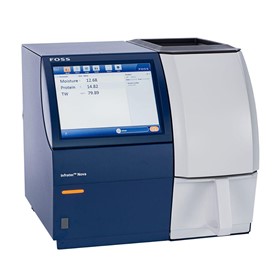
FOSS Grain Analyser | Infratec™ NOVA
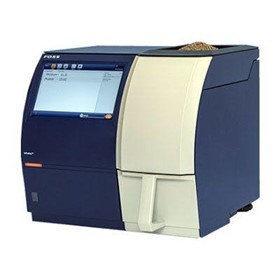
FOSS Grain Analyser | Infratec™

J W Industrial Instruments is an Grain Analyser supplier to Sydney
Our founding partners started JW Industrial Instruments Pty Ltd in 1982 with the key goal to supply the latest analytical technology to Australian manufacturers. We have successfully done that for over 40 years with our business going from strength to strength.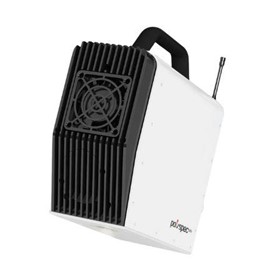

- Preventing spoilage: High moisture content in grains can lead to spoilage due to the growth of bacteria, mold, and fungi. Measuring the moisture content of grains can help prevent spoilage and maintain the quality of the grains.
- Ensuring safety: Excess moisture in grains can also lead to the production of mycotoxins, which are harmful to human and animal health. Measuring the moisture content of grains can help ensure the safety of the grains for human and animal consumption.
- Improving storage: Grain storage facilities are designed to handle specific moisture levels. Measuring grain moisture content helps farmers and grain handlers to determine the ideal moisture content for storage, minimizing the risk of spoilage, and improving storage efficiency.
- Quality control: Grain with the optimal moisture content is of high quality and fetches a better price in the market. Measuring grain moisture content ensures that the grain is of the desired quality, meeting the needs of buyers and consumers.
- To ensure that a grain moisture meter is calibrated properly, it is important to follow the manufacturer's instructions carefully. The meter should be calibrated using a sample of the grain that is representative of the overall crop. The sample should be weighed and then tested with the meter to determine the moisture content. This reading should be compared to the actual moisture content of the sample, which can be determined using a laboratory test or other reliable method. If the meter's reading is significantly different from the actual moisture content, it may need to be adjusted or recalibrated.
- Regular maintenance of the meter is also important to ensure accurate readings. This may include cleaning the meter after each use, checking the battery and power source, and storing the meter in a dry, cool place when not in use.
- Accuracy: The most important feature to consider is the accuracy of the device. You want a moisture meter that will provide you with reliable and accurate readings, so you can ensure that your grain is at the appropriate moisture level.
- Measurement range: Different moisture meters have different measurement ranges, so it's important to choose a device that can measure the moisture content of the type of grain you'll be testing.
- Ease of use: A good moisture meter should be easy to use, with clear instructions and intuitive controls.
- Durability: You want a moisture meter that is built to last, with a rugged design that can withstand the rigors of field use.
- Display: Look for a moisture meter with a clear and easy-to-read display that shows the moisture content and other relevant information.
- Calibration: Make sure that the device is easy to calibrate, and that calibration can be done quickly and accurately.
- Portability: If you'll be using the moisture meter in the field, consider a portable device that is easy to transport and use on the go.
- Grain type: Different grains have different moisture levels and require different moisture meters. For example, a moisture meter designed for measuring wheat may not be suitable for measuring rice, corn, or soybeans. Make sure to choose a moisture meter that is specifically designed for the grain you are testing.
- Accuracy: The accuracy of a moisture meter is critical to getting accurate readings. Look for a moisture meter that has a high level of accuracy and precision. The accuracy should be within +/- 0.5% or better.
- Budget: Moisture meters can vary in price depending on their features and accuracy levels. Determine your budget before you start shopping and look for a moisture meter that offers the best value for your money.
- Ease of use: Choose a moisture meter that is easy to use and provides clear readings. Some moisture meters come with digital displays, while others use analog displays. Also, consider the moisture meter's features, such as automatic temperature compensation and calibration options.
- Experience level: If you are new to using moisture meters, consider purchasing a simpler model with fewer features. More experienced users may want to invest in a more advanced model with more features.
- Sample cups: These cups are used to collect grain samples for testing with your moisture meter. They are available in different sizes to accommodate different grain types.
- Drying ovens: If you need to dry your grain samples before testing them, a drying oven can be a useful accessory. It allows you to control the temperature and humidity levels to ensure consistent results.
- Data management software: Some moisture meters come with software that allows you to download and analyze your test results. This can be useful for tracking trends over time and identifying potential issues with your grain storage.
- Protective case: If you plan to use your moisture meter in the field, a protective case can help prevent damage from drops and impacts.
Grain Analyser Costs and Supplier Insights
Why choose a supplier in Sydney for Grain Analyser Quotes?
If you are in Sydney and considering purchasing a Grain Analyser, it's worth considering Sydney-based suppliers. Doing so offers several benefits that are particularly relevant to businesses in the area. Here are the top reasons why opting for a local Sydney supplier can be the best decision for your Grain Analyser buying needs.
Fast-Track Your Grain Analyser NeedsFast-track your business needs with quick Grain Analyser sourcing from Sydney. Reduce the wait and get what you need, when you need it.
Lower Carbon EmissionsContribute to lower carbon emissions by buying a Grain Analyser from Sydney. Shorter supply routes mean significantly reduced environmental impact.
Access to Grain Analyser Training Experts in SydneyGain direct access to Grain Analyser training experts. Local suppliers can provide tailored instruction that fits your specific needs and challenges.
Relationships with Sydney Grain Analyser SuppliersBuild strong business relationships with Grain Analyser suppliers. Local interactions promote trust and collaborative opportunities.
Ensuring Grain Analyser Quality with Sydney SuppliersEnsure your Grain Analyser meets the highest quality standards with the expert guidance of Sydney suppliers. Excellence in every detail.
Sydney Providers Leading Innovation AdoptionChoose Sydney Grain Analyser providers leading in innovation adoption. They help you implement the latest industry trends swiftly, enhancing your operational capacity.
Buy a Grain Analyser Near Me

 Reach valuable industrial buyers in minutes
 Promote key products & content
 Drive cost effective & measurable sales