
Hazardous Area Lighting in Sydney

Join industrial buyers comparing supplier quotes and buying with confidence. Free, quick and easy.
How IndustrySearch works
Tell us what you need
Answer a few quick questions about the equipment you're looking for.
Get personalised quotes
Receive tailored quotes from relevant Australian suppliers.
Compare and choose
Compare quotes, ask questions and choose the best option for you.
 Save time
 Compare quotes
 Buy with confidence
Save time, compare quotes & buy with confidence
Hazardous Area Lighting Suppliers in Sydney

Earthlight is an Hazardous Area Lighting supplier to All
EarthLight – Solar-First Site Lighting for Real Working Conditions EarthLight designs and manufactures solar-first lighting systems for mining, civil construction, and hire fleets operating in demanding Australian conditions. We exist to bridge the gap between permanent hardwired lighting and diesel towers. Many sites face areas where trenching is impractical, infrastructure ...Customers: Rio Tinto, BHP, Fortesque, Mineral Resources, Northern Star, Goldfields, Citic Pacific


Littil LED Lights is an Hazardous Area Lighting supplier to Sydney
An elite manufacturer and supplier of LED lighting solutions ideal for domestic and commercial requirements, Littil offers a broad range of LED high quality lighting solutions which includes bulbs, corn lights, oysters, panel lights, floodlights, tubes and battens. The company provides dedicated support for its products and installation services and offers free lighting audits ...

Pierlite is an Hazardous Area Lighting supplier to Sydney
CSE Ex has been at the forefront of design and manufacturing of electrical equipment for Hazardous and Arduous locations in Australia since 1994. CSE was the first Australian manufacturer in its field to obtain QA Accreditation to ISO 9001.2000 and the first in Australia to obtain product certification to the ICEX scheme which is now recognised worldwide. During this time ...
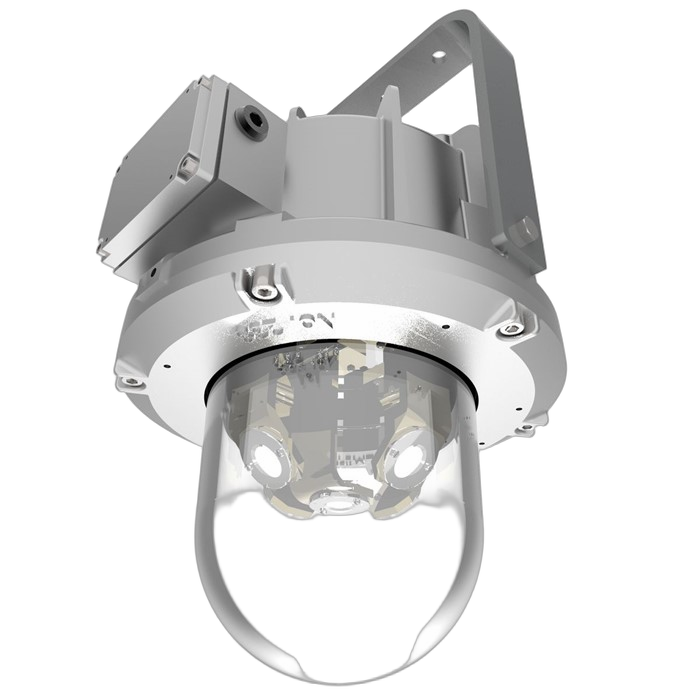
Hazardous Area Lighting | Flameproof Fluorescent Luminaire FFLP

Hazardous Area Lighting | Flameproof Fluorescent Luminaire FFL

- Some of the key requirements for hazardous area lighting in Australia include:
- Classification of hazardous areas: Hazardous areas must be classified according to the type and nature of the hazardous substance present, as well as the likelihood and duration of its presence.
- Equipment selection: Lighting fixtures used in hazardous areas must be specifically designed and approved for use in those environments. This includes the selection of appropriate materials and construction methods to prevent ignition of flammable substances.
- Protection methods: Different protection methods may be used to prevent ignition in hazardous areas, such as explosion-proof, intrinsically safe or increased safety methods.
- Installation requirements: Hazardous area lighting must be installed in accordance with specific requirements to ensure safe operation, including wiring methods and cable glands.
- Maintenance and inspection: Regular maintenance and inspection of hazardous area lighting is critical to ensure continued safe operation. This includes regular cleaning, testing, and replacement of components as required.
- Explosion-proof lighting is designed to contain any sparks or flames within the fixture itself. The housing is made of a strong, durable material that can withstand an explosion without breaking or igniting any surrounding materials. The internal components are also specially designed to prevent sparks from occurring, typically by using a sealed enclosure or a protective barrier.
- Intrinsically safe lighting, on the other hand, is designed to prevent sparks from occurring in the first place. The electrical components are specially designed to limit the amount of energy that can be transferred to the light source, reducing the risk of sparks or explosions. This means that intrinsically safe lighting can be used in areas where there is a higher risk of explosion, such as in mines or oil rigs.
- Zone 0: An area where explosive gas or vapor is continuously present or present for long periods.
- Zone 1: An area where explosive gas or vapor is likely to be present under normal operating conditions.
- Zone 2: An area where explosive gas or vapor is not likely to be present under normal operating conditions, but may be present for short periods.
- Zone 20: An area where combustible dust is continuously present or present for long periods.
- Zone 21: An area where combustible dust is likely to be present under normal operating conditions.
- Zone 22: An area where combustible dust is not likely to be present under normal operating conditions, but may be present for short periods.
- Explosion Proof Lighting: This type of lighting is designed to prevent the ignition of explosive gases, dust, or fibers in the air. It is typically used in areas where there is a risk of explosion, such as oil and gas refineries, chemical plants, and mines.
- Intrinsically Safe Lighting: This type of lighting is designed to prevent the ignition of explosive gases or dust by limiting the energy available to the light source. It is typically used in areas where there is a risk of explosion, such as oil and gas refineries, chemical plants, and mines.
- LED Lighting: LED lighting is becoming increasingly popular in hazardous areas due to its energy efficiency, long lifespan, and low heat emissions. It is used in a variety of hazardous area applications, including oil and gas refineries, chemical plants, and mines.
- Fluorescent Lighting: Fluorescent lighting is still used in some hazardous area applications, but it is becoming less common due to its low energy efficiency and potential for mercury contamination.
- Classification: The first step is to understand the hazardous area classification and the type of lighting required for that area.
- Certification: The lighting equipment must meet the appropriate certification standards for the specific hazardous area.
- Environment: The lighting equipment must be suitable for the environment in which it will be used, including temperature, humidity, and corrosive substances.
- Brightness: The level of brightness required will depend on the specific task being performed in the hazardous area.
- Energy Efficiency: Energy-efficient lighting can save costs over time and reduce the environmental impact of operations.
- Maintenance: The lighting equipment must be easy to maintain and repair to minimize downtime and ensure continued safety.
- ATEX Certification: This certification ensures that the lighting is compliant with the European Union's ATEX directive, which is designed to ensure the safety of products used in potentially explosive atmospheres.
- IECEx Certification: This certification ensures that the lighting is compliant with international standards for equipment used in explosive atmospheres.
- NEC and CEC compliance: The National Electrical Code (NEC) and Canadian Electrical Code (CEC) have specific requirements for hazardous area lighting. Make sure the lighting you choose is compliant with these codes.
- IP Rating: The Ingress Protection (IP) rating is a measure of how well a light is protected from dust and water. Look for a high IP rating to ensure the light can withstand the conditions of your hazardous environment.
- UL Listing: Underwriters Laboratories (UL) is an independent organization that tests and certifies products for safety. Look for a UL-listed hazardous area light to ensure it has been tested for safety.
- CSA Certification: The Canadian Standards Association (CSA) is an organization that certifies products for safety and performance. Look for a CSA-certified hazardous area light to ensure it meets Canadian safety standards.
- Regular inspections: Regular inspections should be conducted to ensure that the lights are functioning properly and that there are no visible signs of damage or wear and tear.
- Cleaning: Hazardous area lighting should be regularly cleaned to prevent the build-up of dust and other debris. This can be done using a soft cloth or brush.
- Replacement of parts: Any damaged or worn-out parts should be replaced immediately. This includes bulbs, lenses, and other components.
- Upgrades: As technology advances, it may be necessary to upgrade existing hazardous area lighting systems to ensure that they are up-to-date and meet current safety standards.
- Training: Personnel responsible for maintaining and servicing hazardous area lighting should receive proper training to ensure that they are knowledgeable about the equipment and safety procedures.
- Compliance: All maintenance and service activities should be carried out in compliance with relevant safety regulations and standards.
- Ensure that the lighting fixture is properly rated for the type of hazardous material present in the area.
- Install the lighting fixture in a location that is safe and accessible for maintenance and cleaning.
- Follow all local and national electrical codes and regulations.
- Use wiring that is specifically designed for hazardous areas.
- Use conduit and fittings that are properly rated for the hazardous area classification.
- Use explosion-proof or flame-proof fittings where necessary.
- Ensure that the lighting fixture is properly grounded and bonded.
- Test the lighting fixture and wiring before energizing the circuit.
- The common hazards associated with hazardous area lighting include:
- Explosion and Fire: The presence of flammable gases, vapors, or dust can lead to an explosion or fire if an ignition source is present. Lighting fixtures that are not designed for hazardous locations can create sparks or high temperatures that can ignite flammable substances.
- Electrical Shock: Electrical equipment in hazardous locations must be designed to prevent electrical shock. Faulty wiring or damaged fixtures can lead to electrical shock, which can be fatal in some cases.
- Corrosion: The presence of corrosive substances in hazardous locations can cause corrosion of lighting fixtures, which can compromise their safety and effectiveness.
- Environmental Conditions: Hazardous locations can be subject to extreme temperatures, humidity, and other environmental conditions that can affect the performance of lighting fixtures.
- Maintenance and Inspection: Regular maintenance and inspection of hazardous area lighting fixtures are essential to ensure their continued safety and effectiveness. Failure to maintain and inspect these fixtures can lead to hazardous conditions and accidents.
Hazardous Area Lighting Costs and Supplier Insights
If you are looking to buy a Hazardous Area Lighting for sale, suppliers on IndustrySearch include Earthlight
Why choose a supplier in Sydney for Hazardous Area Lighting Quotes?
If you are in Sydney and considering purchasing a Hazardous Area Lighting, it's worth considering Sydney-based suppliers. Doing so offers several benefits that are particularly relevant to businesses in the area. Here are the top reasons why opting for a local Sydney supplier can be the best decision for your Hazardous Area Lighting buying needs.
Custom Solutions from Sydney SuppliersGet Hazardous Area Lighting solutions that meet your exact needs from local suppliers. Tailor-made products ensure maximum efficiency and satisfaction.
Continuous Learning with Sydney SuppliersPromote continuous learning for your Hazardous Area Lighting with ongoing training and updates from Sydney suppliers. Stay ahead with the latest operational knowledge.
Relationships with Sydney Hazardous Area Lighting SuppliersBuild strong business relationships with Hazardous Area Lighting suppliers. Local interactions promote trust and collaborative opportunities.
Lower Carbon EmissionsContribute to lower carbon emissions by buying a Hazardous Area Lighting from Sydney. Shorter supply routes mean significantly reduced environmental impact.
Streamlined ComplianceStreamline your compliance efforts by purchasing Hazardous Area Lighting from Sydney. Local suppliers understand local legal landscapes, making compliance straightforward.
Create More Jobs in SydneyCreate and keep jobs in Sydney by buying your Hazardous Area Lighting from local suppliers. You'll help the job market and support local families.
Buy a Hazardous Area Lighting Near Me
Hazardous Area Lighting for sale in Sydney
Hazardous Area Lighting for sale in Melbourne
Hazardous Area Lighting for sale in Perth
Hazardous Area Lighting for sale in Hobart
Hazardous Area Lighting for sale in Adelaide
Hazardous Area Lighting for sale in Darwin
Hazardous Area Lighting Articles & Reviews



 Reach valuable industrial buyers in minutes
 Promote key products & content
 Drive cost effective & measurable sales