
Industrial Hose Pump in Hobart

Join industrial buyers comparing supplier quotes and buying with confidence. Free, quick and easy.
How IndustrySearch works
Tell us what you need
Answer a few quick questions about the equipment you're looking for.
Get personalised quotes
Receive tailored quotes from relevant Australian suppliers.
Compare and choose
Compare quotes, ask questions and choose the best option for you.
 Save time
 Compare quotes
 Buy with confidence
Save time, compare quotes & buy with confidence
Hose Pump & Peristaltic Pump Suppliers in Hobart

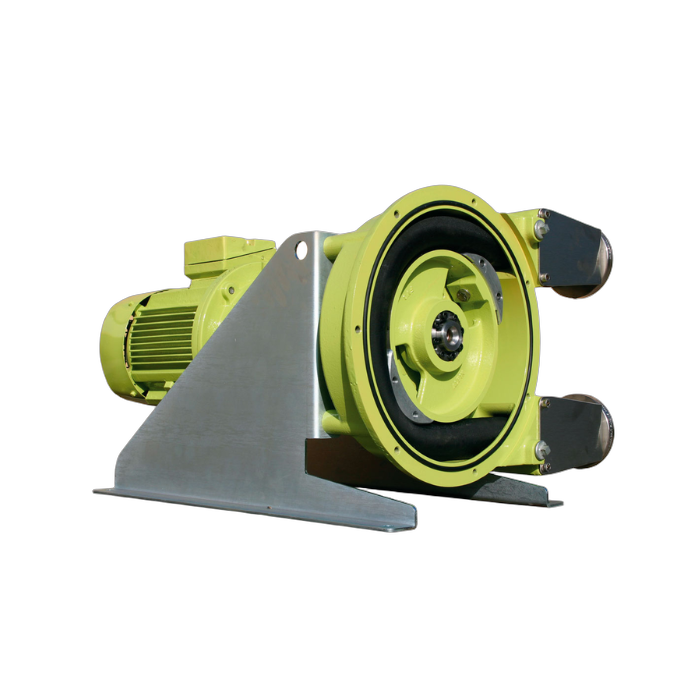
ProfTek Pty Ltd is an Industrial Hose Pump supplier to All
ProfTek was created to help manufacturers, laboratories and industrial operations make better technical decisions. The right solution depends on the application, operating environment, compliance obligations and long-term support—not a catalogue specification alone. We work closely with customers to understand the challenge before recommending equipment, materials or consumables. ...
PH600-1 Pneumatic Peristaltic Pump

G300-1L Industrial Peristaltic Pump

G100-1L Industrial Peristaltic Pump

JL350-2J Industrial Peristaltic Pump

PH600-2 Industrial Peristaltic Pump

YT600-1J Industrial Peristaltic Pump

Netco Pumps is an Industrial Hose Pump supplier to Hobart
Netco Pumps & Equipment is highly capable and professional company offering specialist expertise in the supply and installation of pumps and pumping systems. We offer a range of services including feasibility studies, concept design, supply, installation and commissioning of pumps and associated infrastructure for water, wastewater, irrigation and water reuse in industrial, ...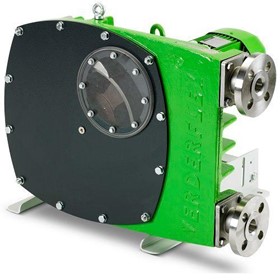

- The working principle of a hose pump involves the following steps:
- Priming: The pump is initially filled with the fluid to be pumped, ensuring that the hose is completely filled.
- Compression: As the roller or shoe rotates, it compresses the hose against the casing, creating a vacuum or low-pressure zone behind it.
- Fluid movement: The vacuum created by the compression causes the fluid to be drawn into the hose from the suction side. As the roller or shoe continues to rotate, it moves along the hose, pushing the fluid towards the discharge side.
- Discharge: The compressed hose forces the fluid out of the pump through the discharge port.
- Hose relaxation: Once the roller or shoe moves away from the compressed section of the hose, it relaxes, allowing the hose to return to its original shape. This action creates a suction effect, drawing more fluid into the hose for the next cycle.
- Chemical Industry: Hose pumps are commonly used for transferring and dosing various chemicals, including corrosive and aggressive fluids, acids, alkalis, solvents, and slurries.
- Mining and Mineral Processing: Hose pumps are utilized for pumping abrasive and viscous slurries, such as tailings, mineral concentrates, and thickened sludges in mining and mineral processing operations.
- Water and Wastewater Treatment: Hose pumps are employed for dosing and transferring chemicals in water and wastewater treatment plants, including lime slurry, polymers, flocculants, and coagulants.
- Food and Beverage Industry: Hose pumps are used for pumping viscous food products, such as sauces, pastes, creams, and confectionery fillings, as well as for transferring ingredients like yeast, chocolate, and fruit concentrates.
- Pharmaceutical and Biotechnology: Hose pumps are utilized for transferring and dosing various pharmaceutical ingredients, including viscous liquids, suspensions, emulsions, and cell cultures.
- Pulp and Paper Industry: Hose pumps are employed for pumping abrasive and viscous materials, such as pulp, paper stock, coatings, and adhesives in the pulp and paper manufacturing process.
- Construction and Concrete Industry: Hose pumps are used for pumping and spraying concrete, grout, and other construction materials, as they can handle high solids content and provide accurate dosing.
- Oil and Gas Industry: Hose pumps are utilized for transferring and dosing various fluids in the oil and gas sector, including drilling muds, cement slurries, and chemicals used in well stimulation and production processes.
- Paints and Coatings: Hose pumps are employed for transferring and dosing high-viscosity paints, coatings, and adhesives in the paint and coatings industry.
- Agriculture and Farming: Hose pumps are used for pumping viscous liquids, such as fertilizers, pesticides, and animal feed supplements, in agricultural and farming applications.
- Gentle pumping action: Hose pumps have a gentle squeezing action that does not damage or shear the pumped fluid. This makes them suitable for handling delicate or shear-sensitive materials.
- Ability to handle abrasive and viscous fluids: Hose pumps are highly resistant to wear and can handle fluids containing abrasive particles without clogging or damage. They are also capable of pumping highly viscous fluids, such as sludge or thick slurries.
- Self-priming: Hose pumps are self-priming, meaning they can start pumping without the need for manual priming or the use of additional equipment. This makes them easy to install and operate.
- Dry running capability: Hose pumps can run dry without causing damage to the pump or the fluid being pumped. This is particularly useful in applications where the fluid supply may be intermittent or unpredictable.
- Reversible flow: Hose pumps can easily reverse the flow direction by simply reversing the rotation of the pump. This allows for efficient pumping in both directions, making them suitable for applications requiring bidirectional flow.
- Low maintenance: Hose pumps have a simple design with minimal moving parts, resulting in low maintenance requirements and reduced downtime. They are also less prone to mechanical failures compared to other pump types.
- Easy to clean and sanitize: Hose pumps are designed for easy cleaning and sanitization, making them suitable for hygienic applications in industries such as food and pharmaceuticals.
- Energy-efficient: Hose pumps have a high volumetric efficiency, meaning they can deliver a high flow rate with low energy consumption. This makes them cost-effective and environmentally friendly.
- Flow rate: Determine the required flow rate for your application. This is the volume of fluid that needs to be pumped per unit of time. Ensure that the hose pump you choose can meet this flow rate requirement.
- Pressure rating: Consider the maximum pressure that the hose pump needs to handle. This is especially important if you are pumping fluids against a high head or through a long pipeline. Choose a hose pump with a pressure rating that can handle the required pressure.
- Fluid compatibility: Check the compatibility of the hose pump with the fluid you are pumping. Different hose materials are suitable for different types of fluids, such as corrosive or abrasive liquids. Ensure that the hose pump is made from a material that can withstand the chemical properties of the fluid.
- Viscosity: Consider the viscosity of the fluid being pumped. Some hose pumps are better suited for pumping high-viscosity fluids, while others are more suitable for low-viscosity fluids. Choose a hose pump that can handle the viscosity of your fluid.
- Solids handling capability: If you are pumping fluids that contain solids or particles, consider the size and concentration of these solids. Some hose pumps have better solids handling capabilities than others. Choose a hose pump that can handle the solids content of your fluid.
- Maintenance and reliability: Consider the maintenance requirements of the hose pump. Some pumps require regular maintenance, such as replacing the hose or lubricating the pump mechanism. Choose a hose pump that is reliable and easy to maintain.
- Electrical safety: Ensure that the power supply and electrical connections are properly grounded and protected from water or moisture. Use a circuit breaker or fuse to prevent electrical overload.
- Pressure and flow control: Hose pumps can generate high pressures and flow rates, so it is important to use pressure relief valves or regulators to prevent over-pressurization or excessive flow. This helps to avoid damage to the pump, hoses, or other equipment.
- Hose selection: Choose hoses that are compatible with the pumped fluid and can withstand the pressure and temperature conditions. Ensure that the hoses are properly connected and secured to prevent leaks or bursts.
- Personal protective equipment (PPE): Wear appropriate PPE, such as gloves, goggles, and protective clothing, to protect against potential hazards like chemical splashes, high-pressure sprays, or contact with moving parts.
- Maintenance and inspection: Regularly inspect the pump, hoses, and connections for any signs of wear, damage, or leaks. Follow the manufacturer's guidelines for maintenance and lubrication to ensure safe and efficient operation.
- Emergency shutdown: Familiarize yourself with the emergency shutdown procedures in case of any malfunction or hazardous situation. Ensure that the pump can be quickly and easily turned off in case of an emergency.
Industrial Hose Pump Costs and Supplier Insights
If you are looking to buy an Industrial Hose Pump for sale, suppliers on IndustrySearch include ProfTek Pty Ltd
Why choose a supplier in Hobart for Industrial Hose Pump Quotes?
If you are in Hobart and considering purchasing an Industrial Hose Pump, it's worth considering Hobart-based suppliers. Doing so offers several benefits that are particularly relevant to businesses in the area. Here are the top reasons why opting for a local Hobart supplier can be the best decision for your Industrial Hose Pump buying needs.
Reliable Industrial Hose Pump Products from Hobart SuppliersRely on dependable Industrial Hose Pump products from Hobart suppliers. Their commitment to excellence guarantees satisfaction and performance.
Building a Resilient Economy with Industrial Hose Pump PurchasesContribute to building a resilient economy by sourcing locally. Enhance economic stability and community well-being.
Benefit from Hobart Supplier ExpertiseEnhance your Industrial Hose Pump's functionality with cutting-edge customisations. Tailored enhancements drive better business outcomes.
Compliance Assurance with Hobart ExpertiseGain assurance in regulatory compliance for your Industrial Hose Pump with Hobart's expertise. Local suppliers are proactive in maintaining legal standards.
Support Local Industry with Industrial Hose Pump PurchasesSupport local industry and commerce by choosing Industrial Hose Pump from Hobart. Every purchase helps sustain and grow the local business ecosystem.
Eco-Friendly Industrial Hose Pump SolutionsReduce your carbon footprint by choosing eco-friendly Industrial Hose Pump solutions. Local sourcing cuts down on transport emissions and supports sustainable practices.
Buy a Industrial Hose Pump Near Me
Industrial Hose Pump Articles & Reviews


 Reach valuable industrial buyers in minutes
 Promote key products & content
 Drive cost effective & measurable sales