
Insulation Panels in Perth

Join industrial buyers comparing supplier quotes and buying with confidence. Free, quick and easy.




How IndustrySearch works
Tell us what you need
Answer a few quick questions about the equipment you're looking for.
Get personalised quotes
Receive tailored quotes from relevant Australian suppliers.
Compare and choose
Compare quotes, ask questions and choose the best option for you.
 Save time
 Compare quotes
 Buy with confidence
Save time, compare quotes & buy with confidence
Insulation Panels Suppliers in Perth

Huntsman Polyurethanes is an Insulation Panels supplier to All
Huntsman is a global manufacturer and marketer of differentiated chemicals. Its operating companies manufacture products for a variety of global industries, including chemicals, plastics, automotive, aviation, textiles, footwear, paints and coatings, construction, technology, agriculture, health care, detergent, personal care, furniture, appliances and packaging. Originally known ...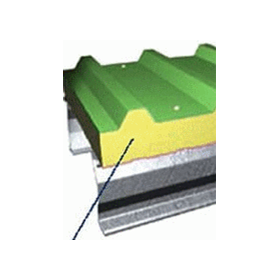

BuildCor is an Insulation Panels supplier to All
BuildCor is one of the original and steadfast CSR Hebel suppliers with dedicated estimators and sales reps to ensure that our Builders get the best quality service and knowledge available. In addition, our roofing division have been in the Slate roofing industry since the company was first established by David Ward who learnt the trade in England before returning to Melbourne ...

Blue Chip Group is an Insulation Panels supplier to Perth
Founded in 2003 by five brothers, BLUECHIP has grown every year since to become one of Australia's leading suppliers of architectural building envelopes. BLUECHIP's product range covers the complete system from the structure out including all types of cladding materials, composite decking, sub-framing, insulation, waterproofing and fixings. With many years combined experience, ...

- Polystyrene: This is a common material used for insulation panels. It is lightweight, easy to handle, and offers good insulation properties.
- Polyurethane: This material is more expensive than polystyrene but offers better insulation properties. It is also more durable and resistant to moisture.
- Mineral wool: This material is made from natural or synthetic fibers and is dense, making it a good sound insulator as well as a thermal insulator.
- Fiberglass: This is a popular material for insulation panels, particularly in residential applications. It is lightweight, easy to install, and offers good insulation properties.
- Cellulose: This material is made from recycled paper and other natural fibers. It is blown into place and can be a good option for retrofitting existing buildings.
- Energy efficiency: Insulation panels help to reduce heat loss and prevent drafts, which can significantly reduce energy bills.
- Noise reduction: Insulation panels can help to absorb and dampen sound, making homes and buildings quieter and more comfortable.
- Durability: Insulation panels are typically made from durable materials that can withstand wear and tear, making them a long-lasting investment.
- Easy installation: Insulation panels are easy to install, requiring minimal time and effort.
- Improved indoor air quality: Insulation panels can help to prevent moisture and mold growth, which can improve indoor air quality and prevent health issues.
- Environmental benefits: Insulation panels can help to reduce greenhouse gas emissions by lowering energy use, making them an environmentally friendly choice.
- Type of Insulation: There are different types of insulation panels available, such as foam board, mineral wool, fiberglass, and cellulose. Each has its own unique properties and benefits.
- R-Value: The R-value measures the thermal resistance of the insulation panel. The higher the R-value, the better the insulation performance. It is important to choose the insulation panel with the appropriate R-value for the specific application.
- Thickness: The thickness of the insulation panel also plays a role in its insulation performance. A thicker panel usually has a higher R-value, but it may also be more expensive.
- Cost: The cost of insulation panels varies depending on the type, R-value, and thickness. It is important to choose a panel that fits within the project budget.
- Moisture Resistance: If the insulation panel will be exposed to moisture, it is important to choose a panel that is moisture-resistant or has a high resistance to water vapor.
- Fire Resistance: Some insulation panels have a higher fire resistance than others. It is important to choose a panel that meets local building codes and safety requirements.
- Environmental Impact: Consider the environmental impact of the insulation panel. Is it made from sustainable materials? Is it recyclable or can it be disposed of safely?
- In general, the colder the climate, the thicker the insulation panels should be. For example, in northern regions, the recommended R-value (a measure of thermal resistance) for walls is typically between R-13 and R-21, while in southern regions, it is typically between R-7 and R-1 The R-value for roofs is typically higher than for walls, as heat rises and can easily escape through the roof.
- The type of heating and cooling system being used also plays a role in determining the appropriate thickness of insulation panels. For example, if a building is heated using radiant floor heating, less insulation may be needed on the walls and ceilings, as the heat will rise from the floor and keep the entire space warm.
- Finally, the desired level of energy efficiency will also influence the thickness of insulation panels. If a building owner wants to achieve a high level of energy efficiency and reduce their energy bills, thicker insulation panels will be necessary.
- Measure the area where you want to install insulation panels to determine the amount of material you need.
- Cut the insulation panels to the appropriate size using a utility knife or saw.
- Clean the surface where you will be installing the panels. Make sure it is dry and free of any debris.
- Apply adhesive to the back of the insulation panel using a trowel or spray adhesive. Make sure to follow the manufacturer's instructions for the type of adhesive to use.
- Press the insulation panel firmly onto the surface, making sure it is level and flush with the surrounding area.
- Repeat steps 4 and 5 until all insulation panels are installed.
- Seal any gaps or seams with caulk or foam insulation to prevent air leaks.
- Install a vapor barrier if required by local building codes or if recommended by the manufacturer.
- Cover the insulation panels with a finishing material such as drywall, paneling, or plaster.
- Keep the panels clean: Regularly dust and vacuum the panels to prevent the buildup of dirt and debris. This can reduce their effectiveness over time.
- Check for damage: Inspect the panels for any signs of damage, such as cracks, holes, or water damage. Replace any damaged panels immediately to maintain their effectiveness.
- Seal any gaps: Inspect the area around the panels for any gaps or holes and seal them with caulking or weatherstripping to prevent air leaks.
- Monitor moisture levels: Insulation panels can be damaged by moisture buildup. Monitor the humidity levels in the building and address any leaks or moisture issues promptly.
Insulation Panels Costs and Supplier Insights
Why choose a supplier in Perth for Insulation Panels Quotes?
If you are in Perth and considering purchasing an Insulation Panels, it's worth considering Perth-based suppliers. Doing so offers several benefits that are particularly relevant to businesses in the area. Here are the top reasons why opting for a local Perth supplier can be the best decision for your Insulation Panels buying needs.
Minimising Downtime with Quick DeliveriesMinimise operational downtime with faster Insulation Panels deliveries from Perth. Rapid supply keeps your business moving without interruption.
Reduce CostsReduce operational costs by sourcing your Insulation Panels locally. Local suppliers can offer competitive pricing without the added expenses of long-distance logistics.
Comprehensive Insulation Panels TrainingReceive comprehensive Insulation Panels training from experts. Local suppliers offer detailed training programs that enhance your team's skills and product knowledge.
Support Local Industry with Insulation Panels PurchasesSupport local industry and commerce by choosing Insulation Panels from Perth. Every purchase helps sustain and grow the local business ecosystem.
Eco-Friendly Insulation Panels SolutionsReduce your carbon footprint by choosing eco-friendly Insulation Panels solutions. Local sourcing cuts down on transport emissions and supports sustainable practices.
Build Community through Local PurchasesBuild lasting relationships by choosing local Insulation Panels suppliers in Perth. Your business becomes a contributor to the local economy.
Buy a Insulation Panels Near Me

 Reach valuable industrial buyers in minutes
 Promote key products & content
 Drive cost effective & measurable sales