
Level Switch in Brisbane

Join industrial buyers comparing supplier quotes and buying with confidence. Free, quick and easy.




How IndustrySearch works
Tell us what you need
Answer a few quick questions about the equipment you're looking for.
Get personalised quotes
Receive tailored quotes from relevant Australian suppliers.
Compare and choose
Compare quotes, ask questions and choose the best option for you.
 Save time
 Compare quotes
 Buy with confidence
Save time, compare quotes & buy with confidence
Level Switch Suppliers in Brisbane

Procon Instrument Technology is an Level Switch supplier to Brisbane
Procon Instrument Technology was established in 1988 by Kevin Tryhorn, and it became known for being a supplier of state-of-the-art process control instrumentation and automation systems. Kevin's aim was to offer a single source for instrumentation and process control products at the technical end of the industry and backing these with a high level of Engineering support. On ...

Cebeco is an Level Switch supplier to All
Cebeco are one of Australia’s leading suppliers of engineering products. We specialise in the oil and gas, petrochemical, process and power industries. We were established in 1971. We supply Tai Milano Pressure Relief Valves, Jerguson Level Gauges, Clark Reliance Boiler Instrumentation, Protectoseal Flame Arrestors, Donadon Bursting Discs, Jacoby Tarbox Eductors, Ulbrec ...
SWICHGAGE Liquid Level Switches |L150, EL150K1, EL150EX

Level Switch | DLF 8980

- There are different types of level switches, including float switches, conductive switches, capacitance switches, and optical switches.
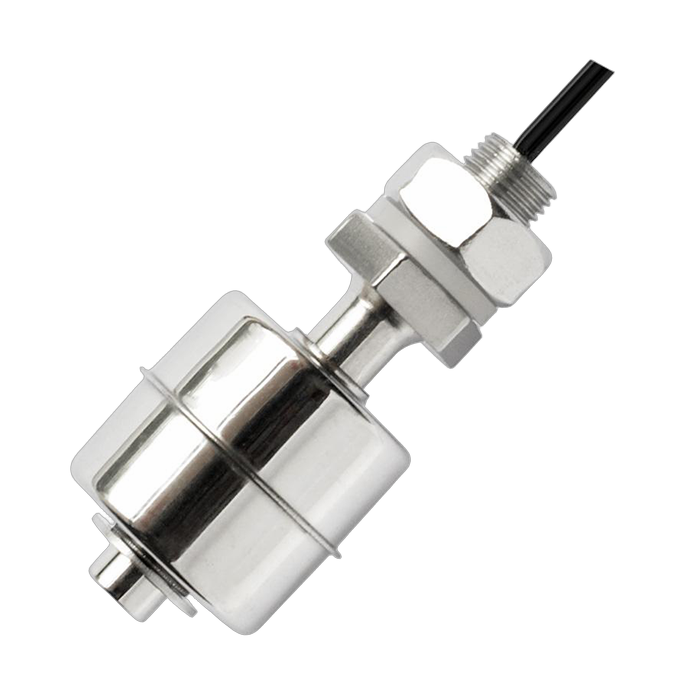
- A float switch works by using a buoyant object, such as a ball or a cylinder, that is attached to a lever or a cable. When the liquid level rises or falls, the buoyant object moves and triggers the switch to turn on or off.
- Conductive switches use a probe that is inserted into the tank or container. When the liquid level reaches the probe, it completes the electrical circuit and activates the switch.
- Capacitance switches work by measuring the change in capacitance between two electrodes as the level of the liquid changes.
- Optical switches use infrared or visible light to detect the presence or absence of the liquid.
- Float Level Switches - These are the most common type of level switches that use a float to detect the level of liquids.
- Conductivity Level Switches - These switches use electrical conductivity to detect the level of liquids.
- Ultrasonic Level Switches - These switches use sound waves to detect the level of liquids.
- Capacitive Level Switches - These switches use changes in capacitance to detect the level of liquids.
- Optical Level Switches - These switches use light to detect the level of liquids.
- Magnetic Level Switches - These switches use magnetic fields to detect the level of liquids.
- Vibrating Level Switches - These switches use vibration to detect the level of liquids.
- Some common materials used for level switches include stainless steel, brass, aluminum, and plastic. Stainless steel is often preferred for its corrosion resistance, durability, and high-temperature capabilities. Brass is a good choice for low-temperature applications and is also resistant to corrosion. Aluminum is lightweight and resistant to corrosion, making it suitable for marine applications.
- Plastic materials, such as polypropylene and PVC, are often used for their chemical resistance and low cost. They are suitable for applications that involve corrosive or hazardous materials. However, plastic materials may not be suitable for high-temperature or high-pressure applications.
- Select the appropriate level switch for the application based on factors such as the type of fluid being measured, the temperature and pressure of the fluid, and the level range required.
- Determine the mounting location for the level switch. The switch should be mounted at a height that allows it to detect the desired level range, and in a location that is easily accessible for maintenance.
- Install the switch in the chosen location using the appropriate mounting hardware. Ensure that the switch is level and securely attached.
- Connect the switch to the control system using the appropriate wiring. Follow the manufacturer's instructions for wiring the switch, and ensure that all connections are secure.
- Test the switch to ensure that it is working correctly. Fill the tank or vessel to the desired level and verify that the switch detects the level accurately. Make any necessary adjustments to the switch or control system.
Level Switch Costs and Supplier Insights
Why choose a supplier in Brisbane for Level Switch Quotes?
If you are in Brisbane and considering purchasing a Level Switch, it's worth considering Brisbane-based suppliers. Doing so offers several benefits that are particularly relevant to businesses in the area. Here are the top reasons why opting for a local Brisbane supplier can be the best decision for your Level Switch buying needs.
Superior Standards with Brisbane ExpertiseBenefit from superior Level Switch standards provided by Brisbane suppliers. Their expertise ensures products are built to last and perform exceptionally.
Supply Chain Stability with Brisbane SuppliersEnhance your supply chain stability by choosing Level Switch suppliers in Brisbane. Local sourcing reduces risks associated with global disruptions.
Partner with Brisbane Suppliers for ComplianceChoose local suppliers as your compliance partners. Their expertise ensures that all products meet local regulations, giving you peace of mind.
Immediate Level Switch Availability in BrisbaneBenefit from immediate Level Switch availability when you choose suppliers in Brisbane. Quick access to equipment prevents project delays.
Budget with Local Level Switch SuppliersStreamline your budget by choosing local Level Switch suppliers. Efficient logistics and reduced overheads lead to cost-effective purchasing.
On-Site Level Switch Support and TrainingBenefit from on-site support and training in Brisbane. Having access to immediate help and expertise ensures your team uses the equipment effectively.
Buy a Level Switch Near Me
Level Switch Articles & Reviews



 Reach valuable industrial buyers in minutes
 Promote key products & content
 Drive cost effective & measurable sales