
Limit Switches in Sydney

Join industrial buyers comparing supplier quotes and buying with confidence. Free, quick and easy.
How IndustrySearch works
Tell us what you need
Answer a few quick questions about the equipment you're looking for.
Get personalised quotes
Receive tailored quotes from relevant Australian suppliers.
Compare and choose
Compare quotes, ask questions and choose the best option for you.
 Save time
 Compare quotes
 Buy with confidence
Save time, compare quotes & buy with confidence
Limit Switches Suppliers in Sydney

RS Components is an Limit Switches supplier to Sydney
RS Components is your one stop distributor for electrical, industrial, automation & control gear, electronics, test & measurement, safety and more - with over 600,000 products from more than 2,500 leading global suppliers including RS PRO, Fluke, TE Connectivity, Phoenix Contact, Schneider, Siemens, ABB, Omron, Harting and more. With free delivery for orders over $125 excl. ...
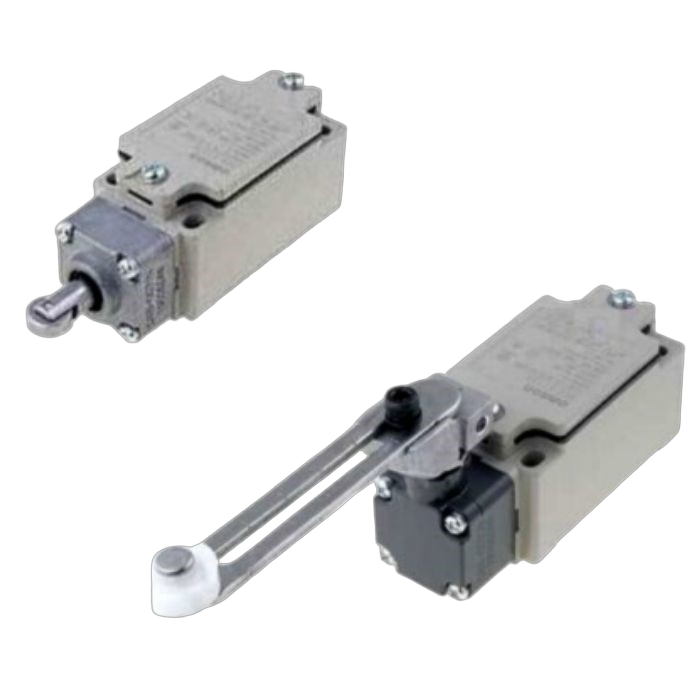
RS PRO LS M20 Adj Lever 18 Ny Roller 1no+1nc | Limit Switch

RS PRO LS M20 18 nylon roller lever 1NO+1NC | Limit Switch

- Roller lever limit switches: These switches use a lever with a roller on the end to detect the presence or absence of an object. The roller can be adjusted to different heights and angles to suit the application.
- Plunger limit switches: Plunger switches use a spring-loaded plunger to detect the presence or absence of an object. When the plunger is depressed, the switch is activated.
- Rotary limit switches: These switches use a rotating cam or wheel to detect the position of a machine or object. They are often used in applications where a machine needs to stop at a specific position.
- Proximity limit switches: Proximity switches use a magnetic or optical sensor to detect the presence or absence of an object. They are often used in applications where physical contact with the object is not possible.
- Micro limit switches: Micro switches are small limit switches that are used in applications where space is limited. They are often used in control panels and other electronic devices.
- Type of actuator: Limit switches come with different types of actuators, such as plunger, roller, lever, and whisker. The type of actuator you choose will depend on the application and the type of object you want to detect.
- Contact configuration: Limit switches can have either a normally open (NO) or normally closed (NC) contact configuration. The choice of contact configuration will depend on the application and the type of equipment you are using.
- Operating force: The operating force of a limit switch is the amount of force required to activate the switch. The operating force will depend on the type of actuator and the application.
- Operating temperature: The operating temperature of a limit switch is the range of temperatures in which it can function properly. You need to choose a switch that can withstand the temperature range of your application.
- Electrical rating: The electrical rating of a limit switch is the maximum voltage and current that it can handle. You need to choose a switch that can handle the voltage and current of your application.
- Environmental protection: Limit switches can be exposed to harsh environments such as dust, water, and chemicals. You need to choose a switch that has the appropriate environmental protection rating for your application.
- Mounting options: Limit switches come with different mounting options such as panel mount, surface mount, and DIN rail mount. You need to choose a mounting option that is suitable for your application and equipment.
- Determine the type of limit switch required for your equipment: There are different types of limit switches, including mechanical, magnetic, and proximity switches. Ensure that you choose the right type of switch that suits your equipment.
- Check the voltage requirements: Ensure that the voltage rating of the limit switch is compatible with your equipment. Match the voltage rating of the limit switch with the voltage requirement of your equipment.
- Check the actuation force: The actuation force of the limit switch should match the force required to activate the switch in your equipment. If the actuation force is too high or too low, it may not work correctly with your equipment.
- Check the mounting options: The mounting options of the limit switch should match the mounting options of your equipment. Ensure that the limit switch is compatible with your equipment's size and shape.
- Check the electrical connections: Ensure that the electrical connections of the limit switch are compatible with your equipment. Check the wiring diagrams to ensure that the connections match.
- Choose the type of limit switch that you need. There are different types of limit switches available, such as roller lever, plunger, and rotary. Choose the type that is suitable for your application.
- Mount the limit switch. The limit switch should be mounted in such a way that it can detect the movement of the machine or equipment. Depending on the type of limit switch, you may need to use brackets, screws, or other mounting hardware.
- Wire the limit switch. Connect the wires from the limit switch to the appropriate terminals on the machine or equipment. Make sure that the wiring is done correctly to avoid any issues.
- Adjust the switch. Once the limit switch is installed and wired, you need to adjust the switch so that it triggers at the right point. You can use a multimeter to check the voltage and adjust the switch accordingly.
- Test the switch. After the switch is installed and adjusted, you should test it to ensure that it is working properly. Move the machine or equipment and make sure that the switch stops it at the right point.
- Industrial automation: Limit switches are commonly used in manufacturing and industrial automation applications to ensure that machines operate within specific limits and to prevent damage or accidents.
- Robotics: Limit switches are often used in robotics to detect the position of robotic arms, grippers, and other moving components.
- Security systems: Limit switches are used in security systems to detect the opening and closing of doors and windows.
- Elevators and lifts: Limit switches are used in elevators and lifts to detect the position of the car and to prevent it from moving beyond specific limits.
- HVAC systems: Limit switches are used in heating, ventilation, and air conditioning (HVAC) systems to detect the position of dampers and valves and to ensure that they operate within specific limits.
- Automotive industry: Limit switches are used in the automotive industry, for example, to detect the position of a car door, to control the headlights, and to prevent the engine from starting if the clutch pedal is not depressed.
Limit Switches Costs and Supplier Insights
Why choose a supplier in Sydney for Limit Switches Quotes?
If you are in Sydney and considering purchasing a Limit Switches, it's worth considering Sydney-based suppliers. Doing so offers several benefits that are particularly relevant to businesses in the area. Here are the top reasons why opting for a local Sydney supplier can be the best decision for your Limit Switches buying needs.
Stay Ahead in Limit Switches TechnologyStay ahead in Limit Switches technology with the help of local suppliers. They bring the newest advancements directly to your doorstep, keeping you competitive.
Local Expertise for Limit Switches Legal StandardsBenefit from local expertise in Limit Switches legal standards in Sydney. Stay ahead of regulatory changes with suppliers who focus on compliance.
Trustworthy Limit Switches Procurement in SydneyTrust your Limit Switches procurement with Sydney suppliers known for their reliability and commitment to quality.
Custom Solutions from Sydney SuppliersGet Limit Switches solutions that meet your exact needs from local suppliers. Tailor-made products ensure maximum efficiency and satisfaction.
Relationships with Sydney Limit Switches SuppliersBuild strong business relationships with Limit Switches suppliers. Local interactions promote trust and collaborative opportunities.
Lower Carbon EmissionsContribute to lower carbon emissions by buying a Limit Switches from Sydney. Shorter supply routes mean significantly reduced environmental impact.
Buy a Limit Switches Near Me
Limit Switches Articles & Reviews


 Reach valuable industrial buyers in minutes
 Promote key products & content
 Drive cost effective & measurable sales