
Membrane Filters in Melbourne

Join industrial buyers comparing supplier quotes and buying with confidence. Free, quick and easy.

How IndustrySearch works
Tell us what you need
Answer a few quick questions about the equipment you're looking for.
Get personalised quotes
Receive tailored quotes from relevant Australian suppliers.
Compare and choose
Compare quotes, ask questions and choose the best option for you.
 Save time
 Compare quotes
 Buy with confidence
Save time, compare quotes & buy with confidence
Membrane Filters Suppliers in Melbourne

WAM Australia Pty Ltd is an Membrane Filters supplier to Melbourne
The Italian WAMGROUP, a worldwide leader in developing and manufacturing equipment and plant components for bulk solids handling and processing and solids-liquid separation in wastewater treatment and animal farming, has been represented in Australia by its own subsidiary since 1997. WAM Australia is responsible for the distribution of the WAMGROUP product range in Australia, ...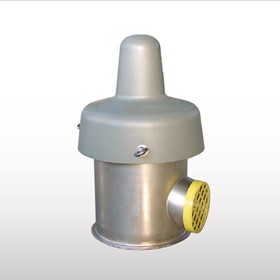

Aqueous Solutions is an Membrane Filters supplier to Melbourne
Aqueous Solutions is a Melbourne design, manufacturing and servicing company providing practical and innovative desalination equipment (reverse osmosis) and wastewater treatment solutions. Our company has a proud history of solving water desalination and wastewater problems for our customers and can provide expertise in the following areas: • Water Desalination Equipment • ...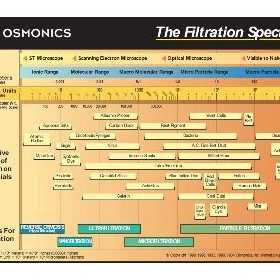

Sartorius Australia is an Membrane Filters supplier to Melbourne
A Trusted Partner for the Biopharmaceutical Industry and Laboratories, Sartorius Australia Pty Ltd is supplying selected products directly to customers in Australia and New Zealand and also through our Sales & Service Partners. Innovative Solutions for Better Medications. With its pioneering spirit and a profound understanding of customer requirements, Sartorius has evolved ...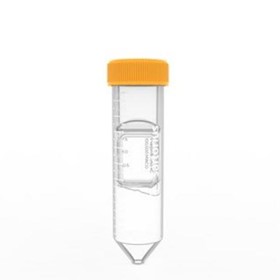
Vivaspin Turbo 15 Regenerated Cellulose membrane
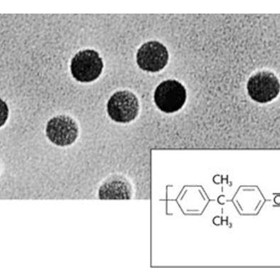
Polycarbonate Track-Etched Membrane Filters

DomeShelter™ Australia is an Membrane Filters supplier to All
The DomeShelter™ solution is an innovatively designed and engineered, shelter system that is tough, relocatable, easy to install and in a variety of configurations – container shelters, agriculture shelters, industrial post shelters, mine site workshops and relocatable shelters. Westarp™ covers a wider range of tarping solutions to suit your particular needs when transportation ...

- Microfiltration (MF) Membrane Filters: These filters have a pore size of 0.1 to 10 microns and are used to remove large particles such as bacteria, yeast, and suspended solids from liquids.
- Ultrafiltration (UF) Membrane Filters: UF filters have a pore size of 0.001 to 0.1 microns and are used to remove smaller particles such as viruses, proteins, and colloids from liquids.
- Nanofiltration (NF) Membrane Filters: These filters have a pore size of 0.001 to 0.01 microns and are used to remove divalent ions, such as calcium and magnesium, from water.
- Reverse Osmosis (RO) Membrane Filters: RO filters have a pore size of 0.0001 to 0.001 microns and are used to remove dissolved solids, such as salts and minerals, from water.
- Gas Separation Membrane Filters: These filters are used to separate gases based on their molecular size and affinity for the membrane material. They are commonly used in the production of industrial gases, such as nitrogen and oxygen.
- The pore size of a membrane filter is a critical factor that affects its filtration efficiency. A filter with smaller pores can capture smaller particles but may also be more prone to clogging and have a lower flow rate. On the other hand, a filter with larger pores may have a higher flow rate but may not be as effective at removing smaller particles.
- The choice of pore size depends on the application and the size of the particles or molecules that need to be filtered. For example, a filter with a pore size of 0.2 micrometers is commonly used to sterilize liquids, while a filter with a pore size of 0.45 micrometers is often used to remove bacteria and other microorganisms.
- Water and wastewater treatment: Membrane filters are used to remove particles, microorganisms, and other impurities from water and wastewater.
- Food and beverage processing: Membrane filters are used to clarify and sterilize liquids such as wine, beer, and fruit juices.
- Pharmaceutical manufacturing: Membrane filters are used to purify and sterilize drugs and other pharmaceutical products.
- Medical and diagnostic testing: Membrane filters are used in laboratory testing to remove bacteria and other contaminants from samples.
- Environmental monitoring: Membrane filters are used to collect and analyze air and water samples for pollutants and other contaminants.
- Biotechnology and genetic engineering: Membrane filters are used in the production of recombinant proteins and other biotechnology products.
- Oil and gas industry: Membrane filters are used to remove impurities and contaminants from oil and gas streams.
- To choose the right membrane filter for your application, you should consider the following factors:
- Pore size: The pore size of the membrane filter should be selected based on the size of the particles or microorganisms that need to be removed. For example, if you need to remove bacteria from a liquid sample, you should choose a filter with a pore size of 0.2 microns.
- Membrane material: Membrane filters can be made from various materials, including cellulose, nylon, polyethersulfone (PES), and polytetrafluoroethylene (PTFE). The membrane material should be selected based on the chemical compatibility with the sample and the intended use of the filter.
- Chemical compatibility: The membrane filter should be chemically compatible with the sample to ensure that it does not react with the sample or introduce contaminants. For example, if the sample is acidic, you should choose a membrane filter that is chemically resistant to acids.
- Flow rate: The flow rate of the sample through the membrane filter should be considered, as it can affect the efficiency of the filtration. If the flow rate is too high, it can lead to incomplete filtration, whereas a low flow rate can result in clogging of the membrane filter.
- Sterility: If the application requires sterile filtration, you should choose a membrane filter that is validated for sterility and packaged in a sterile environment.
Membrane Filters Costs and Supplier Insights
Why choose a supplier in Melbourne for Membrane Filters Quotes?
If you are in Melbourne and considering purchasing a Membrane Filters, it's worth considering Melbourne-based suppliers. Doing so offers several benefits that are particularly relevant to businesses in the area. Here are the top reasons why opting for a local Melbourne supplier can be the best decision for your Membrane Filters buying needs.
Superior Standards with Melbourne ExpertiseBenefit from superior Membrane Filters standards provided by Melbourne suppliers. Their expertise ensures products are built to last and perform exceptionally.
Eco-Friendly Membrane Filters SolutionsReduce your carbon footprint by choosing eco-friendly Membrane Filters solutions. Local sourcing cuts down on transport emissions and supports sustainable practices.
Continuous Support for Your Membrane FiltersGet continuous support for your Membrane Filters needs from Melbourne's local suppliers. Ongoing help ensures your equipment performs at its best.
Buying in Melbourne and Strengthen Your NetworkStrengthen your local business network by buying Membrane Filters in Melbourne. Connect with other businesses and foster community ties through local transactions.
Streamlined Logistics with Melbourne SuppliersStreamline your Membrane Filters logistics. Simplify your supply chain management with local sources.
Get Your Membrane Filters FasterReduce waiting times and enhance productivity by buying your Membrane Filters from Melbourne suppliers. Enjoy the benefits of quick, local deliveries.
Buy a Membrane Filters Near Me

 Reach valuable industrial buyers in minutes
 Promote key products & content
 Drive cost effective & measurable sales