
Pneumatic Actuator in Adelaide

Join industrial buyers comparing supplier quotes and buying with confidence. Free, quick and easy.
How IndustrySearch works
Tell us what you need
Answer a few quick questions about the equipment you're looking for.
Get personalised quotes
Receive tailored quotes from relevant Australian suppliers.
Compare and choose
Compare quotes, ask questions and choose the best option for you.
 Save time
 Compare quotes
 Buy with confidence
Save time, compare quotes & buy with confidence
Pneumatic Actuator Suppliers in Adelaide

Torque Industries is an Pneumatic Actuator supplier to Adelaide
The Torque Industries story started in Adelaide back in 1985. With 30 years experience and countless projects under our belts the Torque team has built a solid reputation in Hydraulics, Pneumatics, Filtration and Automation. We offer hydraulic, pneumatic, filtration and lubrication product sales and service along with hydraulic cylinders, hydraulic hose repair and complete ...

- Rotary actuators: These actuators are used to rotate a shaft or valve stem in a circular motion.
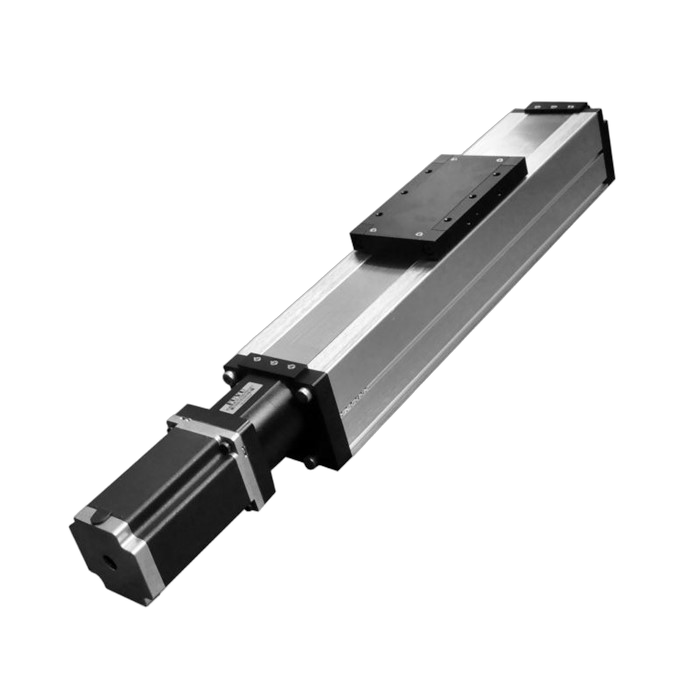
- Linear actuators: These actuators are used to move a piston or rod in a straight line.
- Gripper actuators: These actuators are used to grip and hold objects.
- Diaphragm actuators: These actuators use a flexible diaphragm to create motion.
- Bellows actuators: These actuators use a bellows to create motion.
- Scotch yoke actuators: These actuators use a scotch yoke mechanism to create motion.
- Rack and pinion actuators: These actuators use a rack and pinion mechanism to create motion.
- Cam and roller actuators: These actuators use a cam and roller mechanism to create motion.
- Lever actuators: These actuators use a lever mechanism to create motion.
- High force output: Pneumatic actuators can generate high force output, making them suitable for heavy-duty applications.
- Fast response time: Pneumatic actuators can respond quickly to changes in pressure, making them ideal for applications that require rapid movement.
- Simple design: Pneumatic actuators have a simple design, which makes them easy to install, operate, and maintain.
- Cost-effective: Pneumatic actuators are generally less expensive than other types of actuators, making them a cost-effective solution for many applications.
- Safe operation: Pneumatic actuators are safe to operate in hazardous environments because they do not generate sparks or heat.
- Industrial automation: Pneumatic actuators are commonly used in industrial automation systems to control the movement of machinery and equipment.
- Robotics: Pneumatic actuators are used in robotics to control the movement of robot arms and other components.
- Aerospace: Pneumatic actuators are used in aerospace applications to control the movement of aircraft components, such as landing gear and flaps.
- Automotive: Pneumatic actuators are used in automotive applications to control the movement of various components, such as brakes and suspension systems.
- Medical devices: Pneumatic actuators are used in medical devices, such as prosthetic limbs and surgical instruments, to control movement and provide force.
- Packaging and labeling: Pneumatic actuators are used in packaging and labeling machines to control the movement of packaging materials and labels.
- Agriculture: Pneumatic actuators are used in agricultural machinery to control the movement of various components, such as plows and cultivators.
- Lubrication: Pneumatic actuators require regular lubrication to prevent wear and tear of moving parts. Lubrication also helps to reduce friction and prolong the life of the actuator.
- Inspection: Regular inspection of the actuator is necessary to identify any signs of wear or damage. This includes checking for leaks, cracks, and other signs of wear and tear.
- Cleaning: Pneumatic actuators should be kept clean to prevent the accumulation of dirt and debris. This can be done by wiping the actuator with a clean cloth or using compressed air to blow away any debris.
- Calibration: Pneumatic actuators may require calibration from time to time to ensure accurate operation. This involves adjusting the actuator's settings to ensure that it operates within the specified parameters.
- Replacement of parts: Over time, some parts of the actuator may wear out and need to be replaced. This includes seals, bearings, and other components.
- Pressure: Pneumatic actuators operate at high pressures, which can be dangerous if not properly controlled. Ensure that the system is designed to handle the maximum pressure and that pressure relief valves are in place.
- Maintenance: Regular maintenance is essential to keep pneumatic actuators working safely and efficiently. Follow the manufacturer's guidelines for maintenance and inspection.
- Noise: Pneumatic actuators can produce loud noise levels, which can be harmful to hearing. Use appropriate hearing protection when working with pneumatic actuators.
- Electrical hazards: Pneumatic actuators may require electrical power to operate, which can pose electrical hazards. Ensure that all electrical connections are properly grounded and insulated.
- Environmental hazards: Pneumatic actuators may be used in environments that are hazardous to human health, such as those with high levels of dust or chemicals. Ensure that appropriate safety measures are in place, such as ventilation and protective equipment.
- Proper installation: Proper installation of pneumatic actuators is essential for safe operation. Follow the manufacturer's instructions for installation and ensure that all components are properly secured and aligned.
- Choose the appropriate actuator for your application based on the required torque or force and the operating pressure.
- Mount the actuator onto the valve or other equipment using the appropriate mounting kit.
- Connect the air supply to the actuator using a suitable air hose or tubing.
- Adjust the actuator's stroke and position to ensure proper operation.
- Connect the actuator to the control system using the appropriate wiring or signal cables.
- Test the actuator's operation by applying air pressure and verifying that it moves the valve or equipment as desired.
- Make any necessary adjustments or repairs before putting the system into service.
Pneumatic Actuator Costs and Supplier Insights
Why choose a supplier in Adelaide for Pneumatic Actuator Quotes?
If you are in Adelaide and considering purchasing a Pneumatic Actuator, it's worth considering Adelaide-based suppliers. Doing so offers several benefits that are particularly relevant to businesses in the area. Here are the top reasons why opting for a local Adelaide supplier can be the best decision for your Pneumatic Actuator buying needs.
Building a Resilient Economy with Pneumatic Actuator PurchasesContribute to building a resilient economy by sourcing locally. Enhance economic stability and community well-being.
Local Expertise for Pneumatic Actuator RepairsUtilise local expertise for Pneumatic Actuator repairs in Adelaide. Expert technicians nearby mean less downtime and better maintenance.
Cost-Effective Pneumatic Actuator SolutionsFind cost-effective Pneumatic Actuator solutions when you buy from suppliers in locally. Local sourcing eliminates many hidden costs associated with international shipping.
Custom Solutions from Adelaide SuppliersGet Pneumatic Actuator solutions that meet your exact needs from local suppliers. Tailor-made products ensure maximum efficiency and satisfaction.
Partner with Adelaide Suppliers for ComplianceChoose local suppliers as your compliance partners. Their expertise ensures that all products meet local regulations, giving you peace of mind.
Reducing Lead TimesReduce lead times significantly by sourcing your Pneumatic Actuator from Adelaide, increasing your operational efficiency and responsiveness.
Buy a Pneumatic Actuator Near Me

 Reach valuable industrial buyers in minutes
 Promote key products & content
 Drive cost effective & measurable sales