
Pneumatic Air Motor in Sydney

Join industrial buyers comparing supplier quotes and buying with confidence. Free, quick and easy.

How IndustrySearch works
Tell us what you need
Answer a few quick questions about the equipment you're looking for.
Get personalised quotes
Receive tailored quotes from relevant Australian suppliers.
Compare and choose
Compare quotes, ask questions and choose the best option for you.
 Save time
 Compare quotes
 Buy with confidence
Save time, compare quotes & buy with confidence
Pneumatic Air Motor Suppliers in Sydney

Assembly Technologies Pty Ltd is an Pneumatic Air Motor supplier to Sydney
Specialists in screwdriving quality control and automation. With a proven track record of supplying higly reliable equipment we have become the preferred suppliers of screwdriving equipment and parts feeders to major Automotive and Medical manufacturers as well as local Machine Builders. We are the Australian importers of Deprag torque controlled screwdrivers, parts feeders, ...Customers: Nissan Castings, Hella, Resmed, Continental
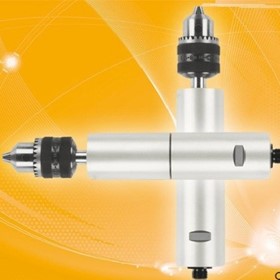
DEPRAG Air Motors | Air Powered Pneumatic Drill Motors
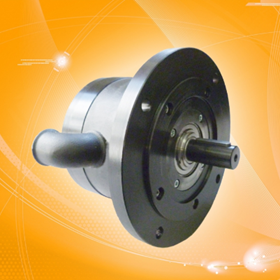
DEPRAG Compressed Air Powered Motors | Power Line Series
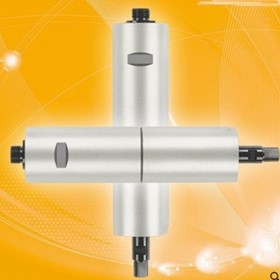
DEPRAG Air Powered Pneumatic Grinder Spindles

DEPRAG Pneumatic Turbine Motors
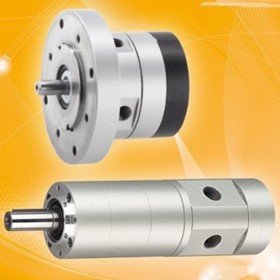
DEPRAG Air Motors | Basic Line Air Motors
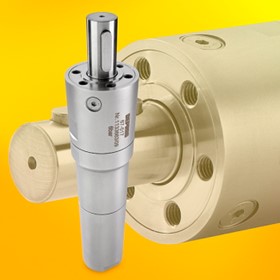
DEPRAG High Torque Geared Pneumatic Air Motor

RAMBOR is an Pneumatic Air Motor supplier to Sydney
Rambor Pty Ltd (incorporating King Cobra Mining Equipment) is Australian owned and part of the PPK Group Limited. Located at South Nowra, New South Wales. Rambor employs approximately 40 people and has been manufacturing specialist mining equipment for over 20 years. Rambor products are used worldwide and recognised to be a leader in its field. Rambor also provides equipment ...

- Durability: Pneumatic motors are highly durable and can withstand harsh operating conditions, including extreme temperatures, moisture, and corrosion. They are also resistant to shock and vibration, making them ideal for use in heavy-duty industrial applications.
- Low maintenance: Pneumatic motors require very little maintenance and have a long service life. They do not require lubrication or cooling, and their simple design makes them easy to repair and maintain.
- Cost-effective: Pneumatic motors are generally less expensive than other types of motors, both in terms of initial cost and ongoing maintenance and repair costs.
- Safe: Pneumatic motors are safe to use in hazardous environments, as they do not produce sparks or generate heat. They are also non-toxic and non-polluting, making them environmentally friendly.
- Vane motors: These motors use a rotating shaft with vanes that slide in and out of slots in the rotor. The compressed air pushes the vanes, causing the rotor to turn.
- Piston motors: Piston motors have a reciprocating piston that moves back and forth inside a cylinder. The compressed air drives the piston, which in turn rotates the output shaft.
- Gear motors: Gear motors use a series of gears that mesh together to create torque. The compressed air drives the gears, which turn the output shaft.
- Radial piston motors: These motors use a series of pistons arranged radially around a central shaft. The compressed air drives the pistons, which move in and out, creating rotational force.
- Turbine motors: Turbine motors use a rotor with blades that spin in the path of a high-velocity air stream. The compressed air drives the rotor, causing it to spin and generate torque.
- Linear motors: Linear motors use a piston or rod that moves in a straight line, rather than in a circular motion. The compressed air drives the piston or rod, which generates linear motion.
- Power requirements: Determine the amount of power needed to drive your application and select a motor that can meet those requirements.
- Speed and torque: Consider the required speed and torque of your application and select a motor that can deliver the necessary performance.
- Size and weight: Choose a motor that is appropriately sized and weighted for your application.
- Cost: Consider the cost of the motor and whether it fits within your budget.
- Environmental conditions: Consider the operating environment of your application, such as temperature and humidity, and choose a motor that can withstand those conditions.
- Maintenance requirements: Consider the maintenance requirements of the motor and choose one that is easy to maintain and repair.
- Control requirements: Consider the control requirements of your application and choose a motor that can be controlled in the desired manner.
- Load: The load being driven by the pneumatic motor will determine the amount of torque and power required.
- Speed: The desired speed of the pneumatic motor will also impact the power and torque required.
- Efficiency: The efficiency of the pneumatic motor will affect the amount of power and torque needed to achieve the desired output.
- Air pressure: The air pressure supplied to the pneumatic motor will impact its performance and power output.
- Choose the appropriate size and type of pneumatic motor for your application.
- Install an air filter, pressure regulator, and lubricator in the air supply line.
- Connect the air supply line to the pneumatic motor.
- Install the motor in the desired location.
- Connect the output shaft of the motor to the mechanical device it will be powering.
- Operation:
- Turn on the air supply to the motor.
- Adjust the air pressure to the recommended level for the motor.
- The motor will start turning and power the connected mechanical device.
- To stop the motor, turn off the air supply.
- Ensure that the pneumatic motor is properly installed and connected to the air supply system.
- Keep the air compressor and other sources of compressed air away from the work area.
- Avoid using damaged or worn pneumatic motors, hoses, or fittings.
- Follow the manufacturer's instructions for operation and maintenance.
- Do not exceed the recommended operating pressure.
- Keep the work area clean and free of debris that could interfere with the operation of the pneumatic motor.
- Do not use the pneumatic motor for purposes other than its intended use.
- Turn off and disconnect the air supply before making any adjustments or repairs.
- Lack of power or torque:
- If a pneumatic motor lacks power or torque, it may be due to a lack of air pressure or a blockage in the air supply. Check the air supply line for any leaks or obstructions. Ensure that the air pressure is sufficient for the motor's requirements. If the air pressure is adequate, check the motor for any signs of wear or damage.
- Overheating:
- Overheating can be caused by a lack of lubrication, excessive air pressure, or a blocked exhaust port. Check the lubrication system to ensure that the motor is adequately lubricated. If the air pressure is too high, reduce it to the recommended level. Check the exhaust port for any obstructions.
- Noise:
- Excessive noise can be caused by a damaged or worn rotor, bearings, or gears. Inspect the motor's internal components for any signs of wear or damage. Replace any damaged parts as necessary.
- Vibration:
- Vibration can be caused by a misaligned motor or worn bearings. Check the motor's alignment and adjust it if necessary. Inspect the bearings for any signs of wear or damage. Replace any damaged bearings.
- Slow speed:
- If a pneumatic motor is running slower than normal, it may be due to a lack of air pressure, a blocked air supply, or a damaged rotor. Check the air supply line for any obstructions. Ensure that the air pressure is sufficient for the motor's requirements. Inspect the rotor for any signs of wear or damage.
- After-sales service options can include repair and maintenance services, technical support, and replacement parts. Some manufacturers may offer on-site repair or maintenance services, while others may require the motor to be shipped to a service center for repair.
Pneumatic Air Motor Costs and Supplier Insights
If you are looking to buy a Pneumatic Air Motor for sale, suppliers on IndustrySearch include Assembly Technologies Pty Ltd
Why choose a supplier in Sydney for Pneumatic Motor Quotes?
If you are in Sydney and considering purchasing a Pneumatic Motor, it's worth considering Sydney-based suppliers. Doing so offers several benefits that are particularly relevant to businesses in the area. Here are the top reasons why opting for a local Sydney supplier can be the best decision for your Pneumatic Motor buying needs.
Compliance with Regulations by Buying LocallyEnsure full compliance with Sydney regulations when you buy a Pneumatic Motor locally. Local suppliers are familiar with local standards, helping you avoid costly issues.
Long-Term Service CommitmentRely on a long-term service commitment from Pneumatic Motor suppliers. Their proximity allows for excellent support and partnership.
Supporting Sustainable Pneumatic Motor Suppliers in SydneySupport local and sustainable Pneumatic Motor suppliers. Their commitment to eco-friendly production aligns with responsible corporate practices.
Support Sydney's Economy by Buying LocallyBoost Sydney's economy and foster community development by purchasing from local suppliers.
Reliable Pneumatic Motor Supply from SydneyEnsure a reliable Pneumatic Motor supply from Sydney. Local suppliers provide consistent, dependable delivery schedules.
Collaborate Locally for Pneumatic Motor PurchasesBoost local collaboration by purchasing in Sydney. Strengthen your community with every business interaction.
Buy a Pneumatic Air Motor Near Me
Pneumatic Air Motor Articles & Reviews



 Reach valuable industrial buyers in minutes
 Promote key products & content
 Drive cost effective & measurable sales