
Polyethylene in Brisbane

Join industrial buyers comparing supplier quotes and buying with confidence. Free, quick and easy.

How IndustrySearch works
Tell us what you need
Answer a few quick questions about the equipment you're looking for.
Get personalised quotes
Receive tailored quotes from relevant Australian suppliers.
Compare and choose
Compare quotes, ask questions and choose the best option for you.
 Save time
 Compare quotes
 Buy with confidence
Save time, compare quotes & buy with confidence
Polyethylene Suppliers in Brisbane

Tynic Automation is an Polyethylene supplier to Brisbane
Tynic is a materials and application pioneer in its field of engineering plastics and their specific uses. With support of state of the art design and engineering, Tynic offers the complete package from supply and conception through to commissioning and beyond. Whilst only offering materials made available from the world’s leading manufacturers, Tynic offers you, the customer, ...

Advanced Technology Pneumatics is an Polyethylene supplier to Brisbane
Formed in 1998, Advanced Technology Pneumatics Pty Ltd (ATP) begun as a small wholesale organisation importing American and Japanese made Tubing, Hose and Fittings primarily for Pneumatic use and were among the first to offer Polyurethane based tubing products for the Australian market. Since then we have gradually built a complete product range based on our customer ...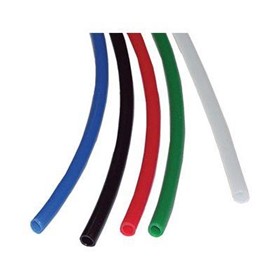

- Some common uses of polyethylene include:
- Packaging: Polyethylene is widely used in the packaging industry for making bags, films, and containers.
- Pipes: HDPE pipes are commonly used in water supply and drainage systems due to their high strength and resistance to corrosion.
- Toys: Polyethylene is used in the manufacturing of toys due to its non-toxic nature.
- Medical devices: Polyethylene is used in the production of medical devices such as syringes, catheters, and prosthetic devices.
- Automotive parts: Polyethylene is used in the production of automotive parts such as fuel tanks, bumpers, and interior components.
- Construction: Polyethylene is used in the construction industry for making insulation, roofing membranes, and pipes.
- Low-density polyethylene (LDPE): It has a low molecular weight and is highly branched. It is flexible, translucent, and has good resistance to chemicals and moisture.
- Linear low-density polyethylene (LLDPE): It has a linear structure with short branches. It has better tensile strength and puncture resistance than LDPE.
- High-density polyethylene (HDPE): It has a high molecular weight and is highly crystalline. It is strong, stiff, and has good resistance to impact, chemicals, and UV radiation.
- Ultra-high-molecular-weight polyethylene (UHMWPE): It has an extremely high molecular weight and is highly crystalline. It is very strong, tough, and has excellent wear resistance.
- Cross-linked polyethylene (PEX): It is a type of HDPE that has been cross-linked to improve its heat resistance and chemical resistance. It is commonly used for plumbing and heating applications.
- Medium-density polyethylene (MDPE): It has a molecular weight between LDPE and HDPE. It is used for applications that require a balance of stiffness and flexibility.
- Thickness: Polyethylene sheets and rolls come in thicknesses ranging from 0.5mm to 100mm.
- Width: The width of polyethylene sheets and rolls can range from 1 meter to 4 meters.
- Length: The length of polyethylene sheets and rolls can range from 10 meters to 100 meters.
- Density: Polyethylene sheets and rolls come in different densities, ranging from low-density polyethylene (LDPE) to high-density polyethylene (HDPE).
- Color: Polyethylene sheets and rolls come in a variety of colors, including clear, black, white, and colored.
- Determine the dimensions of the area that needs to be covered with Polyethylene. Measure the length, width, and height of the area.
- Calculate the surface area of the area by multiplying the length by the width.
- Determine the thickness of the Polyethylene sheet that you will be using. This will depend on the application and the level of protection required.
- Calculate the volume of Polyethylene required by multiplying the surface area by the thickness.
- Convert the volume into the required amount of Polyethylene by using the density of Polyethylene, which is 0.92 g/cm Multiply the volume by the density to get the weight of Polyethylene required.
- Add a margin of error to the calculation to account for waste and overlap.
- Store polyethylene in a cool, dry place away from direct sunlight and heat sources. Exposure to high temperatures can cause the material to degrade and lose its properties.
- Keep polyethylene away from chemicals, solvents, and oils that can react with the material and cause it to break down.
- Use proper handling techniques when moving and transporting polyethylene. Avoid dragging or dropping the material, as this can cause scratches or damage to the surface.
- Clean polyethylene regularly with mild soap and water to remove dirt and debris. Avoid using harsh chemicals or abrasive cleaners that can scratch or damage the surface.
- Inspect polyethylene regularly for signs of wear and tear, such as cracks, tears, or discoloration. Replace any damaged or worn-out pieces to ensure the safety and longevity of the material.
- The Australian government has set targets to reduce plastic waste by 80% by 2030 and has banned single-use plastics such as straws, cutlery, and stirrers. The government also promotes the use of biodegradable and compostable plastics as an alternative to traditional plastics.
- In terms of regulations, polyethylene production and use are governed by the Australian Plastics Code of Practice, which outlines guidelines for the safe handling, storage, and disposal of plastic materials. The code also includes requirements for the labeling of plastic products to ensure their proper identification and disposal.
Polyethylene Costs and Supplier Insights
Why choose a supplier in Brisbane for Polyethylene Quotes?
If you are in Brisbane and considering purchasing a Polyethylene, it's worth considering Brisbane-based suppliers. Doing so offers several benefits that are particularly relevant to businesses in the area. Here are the top reasons why opting for a local Brisbane supplier can be the best decision for your Polyethylene buying needs.
Personalised Polyethylene ConfigurationsBenefit from personalised Polyethylene configurations available exclusively through select local suppliers.
Lower Carbon EmissionsContribute to lower carbon emissions by buying a Polyethylene from Brisbane. Shorter supply routes mean significantly reduced environmental impact.
Supply Chain Stability with Brisbane SuppliersEnhance your supply chain stability by choosing Polyethylene suppliers in Brisbane. Local sourcing reduces risks associated with global disruptions.
Superior Standards with Brisbane ExpertiseBenefit from superior Polyethylene standards provided by Brisbane suppliers. Their expertise ensures products are built to last and perform exceptionally.
Budget with Local Polyethylene SuppliersStreamline your budget by choosing local Polyethylene suppliers. Efficient logistics and reduced overheads lead to cost-effective purchasing.
Innovate Faster with Suppliers in BrisbaneInnovate faster and more effectively with local Polyethylene suppliers. Being close to the source of new developments gives you a competitive edge.
Buy a Polyethylene Near Me

 Reach valuable industrial buyers in minutes
 Promote key products & content
 Drive cost effective & measurable sales