
Let us get you 3 quotes
Compare and select the best Draw Wire Sensor
Compare Quotes

Find the right
Draw Wire Sensor
Draw Wire Sensor
Join industrial buyers comparing supplier quotes and buying with confidence. Free, quick and easy.

How IndustrySearch works
Tell us what you need
Answer a few quick questions about the equipment you're looking for.
Get personalised quotes
Receive tailored quotes from relevant Australian suppliers.
Compare and choose
Compare quotes, ask questions and choose the best option for you.
Looking to buy the best Posital Draw Wire Sensor for sale? Get Quotes sends your requirements to expert suppliers in Australia so you get personalised quotes to compare Draw Wire Sensor prices, specifications, features and terms then choose the one that’s right for you. Also compare servicing, consumables and reviews, so you can buy with confidence.
 Save time
 Compare quotes
 Buy with confidence
Save time, compare quotes & buy with confidence
Draw Wire Sensor Suppliers
Supplier Location
Brand
Filter by brand:
Filter by location:

Plant Control and Automation | Electronic Control & Rotary Encoders
PCA has been providing Australian industry with electronic control solutions since 1968. We pioneered the introduction of the proximity and heavy duty photoelectric switch as replacement for mechanical limit switches, and the use of electronic process control in place of relay logic. In 1981 we commenced assembly in Australia of rotary encoder products to provide Australia fast ...
PCA has been providing Australian industry with electronic control solutions since 1968. We pioneered the introduction of the proximity and heavy duty photoelectric switch as replacement for mechanical limit switches, and the use of electronic process control in place of relay logic. In 1981 we commenced assembly in Australia of rotary encoder products to provide Australia fast ...
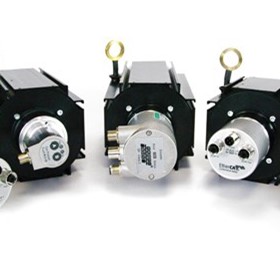

Draw Wire Sensor
Draw Wire Sensor
What is a draw wire sensor and how does it work?
A draw wire sensor, also known as a string potentiometer or cable extension transducer, is a type of linear position sensor that measures the displacement or extension of a cable or wire. It consists of a wire or cable that is attached to the moving object and wound around a spool, and a sensor that measures the change in resistance or capacitance of the wire as it is extended or retracted.
What are the different types of draw wire sensors available in Australia?
Draw wire sensors, also known as cable or string potentiometers, are devices used to measure linear displacement or position. In Australia, there are several types of draw wire sensors available, including:
- Analog draw wire sensors: These sensors provide an analog output signal proportional to the linear displacement or position of the object being measured. They are commonly used in industrial applications and can measure distances up to several meters.
- Digital draw wire sensors: These sensors provide a digital output signal and are often used in applications where high accuracy and resolution are required. They can measure distances up to several hundred millimeters.
- High-temperature draw wire sensors: These sensors are designed to operate in high-temperature environments, up to 200°C. They are commonly used in industrial applications where high-temperature measurement is required.
- Miniature draw wire sensors: These sensors are small in size and can measure linear displacement or position in tight spaces. They are commonly used in robotics and automation applications.
- Wireless draw wire sensors: These sensors transmit measurement data wirelessly to a receiver, eliminating the need for cables. They are commonly used in applications where cables are inconvenient or impractical.
What are the key factors to consider when selecting a draw wire sensor?
A draw wire sensor, also known as a string potentiometer or cable extension transducer, is a device used to measure linear displacement. When selecting a draw wire sensor, there are several key factors to consider:
- Measurement Range: The measurement range of the sensor should be appropriate for the application. It is important to choose a sensor that can accurately measure the full range of motion required.
- Accuracy: The accuracy of the sensor is crucial for achieving precise measurements. The accuracy of the sensor should be within the required tolerance for the application.
- Linearity: The linearity of the sensor is important for ensuring that the output signal is proportional to the input displacement. A non-linear sensor can result in inaccurate or inconsistent measurements.
- Resolution: The resolution of the sensor determines the smallest change in displacement that can be detected. A higher resolution sensor can provide more precise measurements.
- Durability: The sensor should be able to withstand the environmental conditions and mechanical stresses of the application. Factors such as temperature, humidity, and vibration should be considered.
- Output Signal: The output signal of the sensor should be compatible with the data acquisition system used in the application. Common output signals include voltage, current, and digital signals.
- Installation: The installation of the sensor should be easy and straightforward. It is important to consider factors such as mounting options, cable length, and connector types.
What are the typical applications for draw wire sensors?
Or string potentiometers are used to measure linear displacement or movement in various applications. They consist of a wire or cable wound around a spool or pulley and a sensor that detects changes in the length of the wire. Some common applications of draw wire sensors include:
- Industrial automation: Draw wire sensors are used in automated machinery to measure the position of moving parts or the level of fluid in tanks.
- Automotive testing: Draw wire sensors are used to measure the displacement of suspension systems, steering systems, and other components in vehicles during testing.
- Aerospace: Draw wire sensors are used in aerospace applications to measure the movement of control surfaces, landing gear, and other components.
- Medical devices: Draw wire sensors are used in medical devices to measure the movement of surgical tools, prosthetic limbs, and other devices.
- Robotics: Draw wire sensors are used in robotics to measure the movement of robotic arms, grippers, and other components.
- Construction: Draw-wire sensors are used to measure the movement of concrete forms, bridge decks, and other structures during construction.
What is the measurement range of a draw wire sensor?
A draw wire sensor, also known as a string potentiometer or cable displacement transducer, typically has a measurement range of several inches to several feet. The exact range depends on the specific sensor model and manufacturer, but common measurement ranges include 0-12 inches, 0-36 inches, and 0-120 inches. Some draw wire sensors may have a smaller or larger measurement range depending on the application requirements.
What is the accuracy of a draw wire sensor?
The accuracy of a draw wire sensor depends on various factors such as the type of sensor, the range of measurement, and the environmental conditions. Typically, draw wire sensors have a measurement accuracy of +/- 0.1% to +/- 1% of the full-scale range. However, high-precision draw wire sensors can have an accuracy of up to +/- 0.05%. It is important to note that the accuracy of the sensor can be affected by factors such as temperature, vibration, and mechanical wear and tear. Regular calibration of the sensor can help maintain its accuracy over time.
What are the output options for a draw wire sensor?
A draw wire sensor, also known as a string potentiometer or linear position sensor, is a type of sensor that measures linear displacement or movement. It consists of a wire or cable attached to a spring-loaded spool that rotates as the wire is pulled or released. The rotation of the spool is converted into an electrical signal that can be used for various applications.
- The output options for a draw wire sensor depend on the type of sensor and the application requirements. Some common output options include:
- Analog voltage output: The sensor produces a voltage signal proportional to the displacement, typically in the range of 0-10V or 4-20mA. This output is suitable for applications that require a continuous and accurate measurement of the position.
- Digital output: The sensor produces a digital signal, such as pulse or frequency, that represents the position. This output is suitable for applications that require a simple and low-cost measurement.
- Serial output: The sensor produces a serial data stream, such as RS-232 or RS-485, that can be used to communicate with a computer or other device. This output is suitable for applications that require remote monitoring or control.
- Wireless output: The sensor produces a wireless signal, such as Bluetooth or Wi-Fi, that can be transmitted to a remote device. This output is suitable for applications that require mobility or remote monitoring.
- Custom output: The sensor can be customized to produce a specific output, such as a specific voltage range or frequency. This option is suitable for applications that have unique requirements.
What is the installation process for a draw wire sensor?
Installation Process:
- Determine the installation location: The first step is to determine the location where the draw wire sensor will be installed. The sensor should be mounted in a location where it can easily measure the distance or displacement of the object being measured.
- Mount the sensor: Once the location is determined, the sensor can be mounted using screws or bolts. The sensor should be mounted securely to prevent any movement during operation.
- Connect the sensor to the system: The draw wire sensor should be connected to the system being monitored. This can be done using cables or wires that are compatible with the sensor.
- Attach the wire: The wire should be attached to the object being measured. This can be done using a clamp or other attachment method. The wire should be securely attached to prevent any movement during operation.
- Calibrate the sensor: The draw wire sensor should be calibrated to ensure accurate measurements. This can be done using calibration software or by manually adjusting the settings on the sensor.
What is the maintenance required for a draw wire sensor?
A draw wire sensor is a type of linear position sensor that uses a wire or cable to measure the displacement of an object. It is commonly used in industrial and automation applications where precise measurement of linear movement is required.
- The maintenance required for a draw wire sensor depends on the specific model and manufacturer's recommendations. However, some general tips for maintaining the sensor include:
- Keep the wire or cable clean and free from debris or contaminants that could affect its accuracy.
- Regularly inspect the wire or cable for signs of wear or damage, such as fraying or kinks. Replace the wire or cable if necessary.
- Check the mounting and alignment of the sensor to ensure that it is properly installed and functioning correctly.
- Calibrate the sensor periodically to ensure that it is providing accurate measurements.
What is the cost of a draw wire sensor and is there any warranty or support available?
A draw wire sensor, also known as a string potentiometer, is a type of linear position sensor that measures the displacement or movement of an object. The cost of a draw wire sensor varies depending on the brand, type, and specifications. Some sensors can cost as low as $50, while others can cost several thousand dollars.
- The cost of a draw wire sensor is influenced by different factors such as the measurement range, accuracy, resolution, and features. Some sensors are designed for specific applications such as industrial automation, robotics, and automotive testing, among others. Therefore, the cost may vary depending on the intended use.
- Regarding warranty and support, most manufacturers offer warranties and support for their products. The warranty period may vary depending on the manufacturer, but it typically ranges from one to three years. Some manufacturers offer extended warranties or maintenance contracts for an additional fee.
Get 3+ Quotes Now - Compare prices, availability and quality. It’s free, quick and secure.
Back to top
Draw Wire Sensor Costs and Supplier Insights
The listed price of a Draw Wire Sensor for sale ranges from $200 to $1,500, averaging $850.
Use Get Quotes to receive personalised prices and proposals from trusted suppliers with top reviews and excellent service.
Buy a Draw Wire Sensor Near Me
Save time and delivery costs while getting fast support, by contacting Draw Wire Sensor suppliers near you.

Are you a Draw Wire Sensor supplier?
 Reach valuable industrial buyers in minutes
 Promote key products & content
 Drive cost effective & measurable sales
learn more
Reach valuable industrial buyers in minutes
Promote key products & content
Drive cost effective & measurable sales