
Pressure Switch in Melbourne

Join industrial buyers comparing supplier quotes and buying with confidence. Free, quick and easy.












How IndustrySearch works
Tell us what you need
Answer a few quick questions about the equipment you're looking for.
Get personalised quotes
Receive tailored quotes from relevant Australian suppliers.
Compare and choose
Compare quotes, ask questions and choose the best option for you.
 Save time
 Compare quotes
 Buy with confidence
Save time, compare quotes & buy with confidence
Pressure Switch Suppliers in Melbourne

Techrite Controls Australia is an Pressure Switch supplier to Melbourne
Techrite is a specialised solutions provider to the Australasian gas industry. Over the past three decades, Techrite has earned excellent reputation in design and supply of gas safety & combustion equipment for industries including CSG/LNG,steel, nickel, aluminum, power generation, plaster board,textiles, food, alternative fuels, automotive,oil,mining etc. Techrite Controls ...


AllTech Pneumatics is an Pressure Switch supplier to Melbourne, Sydney
AllTech Pneumatics was established in 2014 with commitment to provide quality products, excellent service, intelligent solutions -helping your company improve productivity, efficiency and profitability. We offer a wide range of industrial products, specialising in Pneumatics.


Tecnair is an Pressure Switch supplier to All
TecnAir Group is an innovative manufacturer of high-performance Pneumatic-Hydraulic products, safety vehicle solutions and client driven specialist valves, cylinders and systems. The UK based manufacturing Group has a reputation spanning almost 40 years and continues to be recognised globally as providers of engineering solutions for the fluid power industry. With satellite ...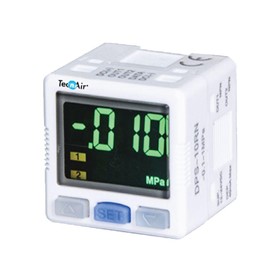

Cebeco is an Pressure Switch supplier to All
Cebeco are one of Australia’s leading suppliers of engineering products. We specialise in the oil and gas, petrochemical, process and power industries. We were established in 1971. We supply Tai Milano Pressure Relief Valves, Jerguson Level Gauges, Clark Reliance Boiler Instrumentation, Protectoseal Flame Arrestors, Donadon Bursting Discs, Jacoby Tarbox Eductors, Ulbrec ...
Pressure Switch -25°C - +85°C| DPC 8380

Marine Pressure Switch -40°C - +125°C | NAE 8256

- Mechanical pressure switches: These switches operate on a mechanical mechanism that responds to changes in pressure. They are simple and reliable but are limited in their accuracy and precision.
- Diaphragm pressure switches: These switches use a flexible diaphragm that bends under pressure, activating a switch mechanism. They are more accurate than mechanical switches and can handle low to high-pressure ranges.
- Piston pressure switches: These switches use a piston that moves in response to changes in pressure. They are more accurate than diaphragm switches and can handle high-pressure ranges.
- Solid-state pressure switches: These switches use electronic sensors to detect pressure changes and activate the switch mechanism. They are highly accurate and reliable but can be more expensive than other types of switches.
- Differential pressure switches: These switches are used to monitor the difference in pressure between two points in a system. They are commonly used in HVAC systems to monitor air flow and filter clogging.
- Vacuum pressure switches: These switches are used to monitor vacuum levels in a system. They are commonly used in vacuum pumps and other vacuum systems.
- HVAC systems: Pressure switches are commonly used in heating, ventilation, and air conditioning (HVAC) systems to monitor air pressure and ensure that the system is running efficiently.
- Pump control: Pressure switches can be used to control the operation of pumps by monitoring the pressure of the fluid being pumped and turning the pump on or off accordingly.
- Industrial automation: Pressure switches are used in many industrial automation applications to monitor pressure levels in pipelines, tanks, and other systems.
- Safety systems: Pressure switches are often used in safety systems to monitor pressure levels and trigger alarms or shut down equipment if pressure levels exceed safe limits.
- Medical devices: Pressure switches are used in medical devices such as blood pressure monitors and ventilators to monitor and control pressure levels.
- Water treatment: Pressure switches are used in water treatment systems to monitor pressure levels and control the flow of water through the system.
- Determine the pressure range: The pressure range that the switch will be exposed to must be determined. This will help in selecting a switch with the correct pressure rating.
- Determine the media: The type of media that the switch will be exposed to must be determined. This will help in selecting a switch with the correct materials of construction.
- Determine the electrical requirements: The electrical requirements of the switch must be determined. This will help in selecting a switch with the correct voltage and current ratings.
- Determine the switch type: The type of switch must be determined. This will help in selecting a switch that meets the application requirements.
- Determine the environmental conditions: The environmental conditions that the switch will be exposed to must be determined. This will help in selecting a switch that can operate in the desired environment.
- Determine the mounting requirements: The mounting requirements for the switch must be determined. This will help in selecting a switch that can be mounted in the desired location.
- Determine the connection type: The connection type for the switch must be determined. This will help in selecting a switch that can be connected to the desired system.
- Determine the reliability requirements: The reliability requirements for the switch must be determined. This will help in selecting a switch that meets the desired reliability standards.
- Determine the cost: The cost of the switch must be considered. This will help in selecting a switch that fits within the budget constraints.
- Pressure range: The pressure range of the switch should match the pressure range of the system it will be used in.
- Accuracy: The accuracy of the pressure switch determines how closely it will monitor the pressure. Look for a switch with a high level of accuracy.
- Set point: The set point is the pressure at which the switch will activate or deactivate. Make sure the set point matches the requirements of your application.
- Switching mechanism: There are two types of switching mechanisms: mechanical and electronic. Mechanical switches are more durable, while electronic switches offer greater accuracy.
- Enclosure: The enclosure protects the switch from environmental factors such as moisture, dust, and vibration. Choose an enclosure that is appropriate for your application.
- Electrical rating: The electrical rating of the switch should match the electrical requirements of your system.
- Certifications: Look for pressure switches that have been certified by relevant regulatory bodies, such as UL or CE.
- Turn off the power supply to the system where the pressure switch will be installed.
- Identify the location for the pressure switch. It should be installed in a dry and cool place, away from direct sunlight or heat sources.
- Remove the cover of the pressure switch by unscrewing it.
- Install a tee fitting in the pipe where the pressure switch is to be installed. Use a thread sealant on the threads of the tee fitting.
- Connect the pressure switch to the tee fitting using a pipe thread sealant on the threads.
- Connect the wires from the pressure switch to the power supply and the load. The power supply wires should be connected to the terminals marked L1 and L2, while the load wires should be connected to the terminals marked T1 and T
- Adjust the pressure switch settings as per the manufacturer's instructions. This may involve adjusting the pressure range and the cut-in and cut-out pressures.
- Replace the cover of the pressure switch and turn on the power supply to the system.
- Test the pressure switch by turning on the system and verifying that the pressure switch turns on and off as desired.
- Regular inspection: Check the pressure switch periodically for signs of wear and tear, such as cracks, leaks, or corrosion. Look for any damage to the wiring or electrical connections, and make sure that the switch is securely mounted.
- Cleaning: Clean the pressure switch periodically to remove any dirt, debris, or contaminants that may have accumulated on its surface. Use a soft brush or cloth to gently wipe away any residue, and avoid using harsh chemicals that may damage the switch.
- Calibration: Check the calibration of the pressure switch periodically to ensure that it is operating within the correct range. This can be done using a calibrated gauge or other measuring device.
- Lubrication: Some pressure switches may require occasional lubrication to ensure that they operate smoothly and accurately. Check the manufacturer's recommendations for the type and frequency of lubrication required.
- Check the power supply: If the pressure switch is not working, check the power supply to ensure that it is connected and functioning properly.
- Inspect the switch: Check the pressure switch for any damage, such as cracks or other signs of wear and tear. Make sure that the switch is clean and free of debris.
- Check the wiring: Inspect the wiring connections to the pressure switch to make sure they are properly connected and not damaged.
- Adjust the pressure: If the pressure switch is not turning on or off at the correct pressure, adjust the pressure setting to the correct level.
- Replace the switch: If all else fails, it may be necessary to replace the pressure switch with a new one.
Pressure Switch Costs and Supplier Insights
If you are looking to buy a Pressure Switch for sale, suppliers on IndustrySearch include Glenco Air & Power, Pacific Sensor Technologies Pty Ltd, APS Technology Australia Pty Ltd, Slentech, Specialised Force
Why choose a supplier in Melbourne for Pressure Switch Quotes?
If you are in Melbourne and considering purchasing a Pressure Switch, it's worth considering Melbourne-based suppliers. Doing so offers several benefits that are particularly relevant to businesses in the area. Here are the top reasons why opting for a local Melbourne supplier can be the best decision for your Pressure Switch buying needs.
Eco-Friendly Pressure Switch SolutionsReduce your carbon footprint by choosing eco-friendly Pressure Switch solutions. Local sourcing cuts down on transport emissions and supports sustainable practices.
Supply Chain Stability with Melbourne SuppliersEnhance your supply chain stability by choosing Pressure Switch suppliers in Melbourne. Local sourcing reduces risks associated with global disruptions.
Personalised Pressure Switch ConfigurationsBenefit from personalised Pressure Switch configurations available exclusively through select local suppliers.
Trustworthy Pressure Switch Procurement in MelbourneTrust your Pressure Switch procurement with Melbourne suppliers known for their reliability and commitment to quality.
Long-Term Service CommitmentRely on a long-term service commitment from Pressure Switch suppliers. Their proximity allows for excellent support and partnership.
Compliance with Regulations by Buying LocallyEnsure full compliance with Melbourne regulations when you buy a Pressure Switch locally. Local suppliers are familiar with local standards, helping you avoid costly issues.
Buy a Pressure Switch Near Me
Pressure Switch Articles & Reviews


 Reach valuable industrial buyers in minutes
 Promote key products & content
 Drive cost effective & measurable sales