
Pressure Transmitter in Melbourne

Join industrial buyers comparing supplier quotes and buying with confidence. Free, quick and easy.


How IndustrySearch works
Tell us what you need
Answer a few quick questions about the equipment you're looking for.
Get personalised quotes
Receive tailored quotes from relevant Australian suppliers.
Compare and choose
Compare quotes, ask questions and choose the best option for you.
 Save time
 Compare quotes
 Buy with confidence
Save time, compare quotes & buy with confidence
Pressure Transmitter Suppliers in Melbourne

Cebeco is an Pressure Transmitter supplier to All
Cebeco are one of Australia’s leading suppliers of engineering products. We specialise in the oil and gas, petrochemical, process and power industries. We were established in 1971. We supply Tai Milano Pressure Relief Valves, Jerguson Level Gauges, Clark Reliance Boiler Instrumentation, Protectoseal Flame Arrestors, Donadon Bursting Discs, Jacoby Tarbox Eductors, Ulbrec ...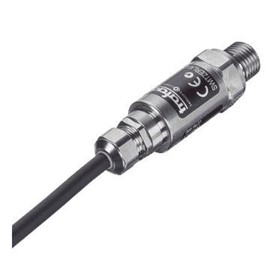
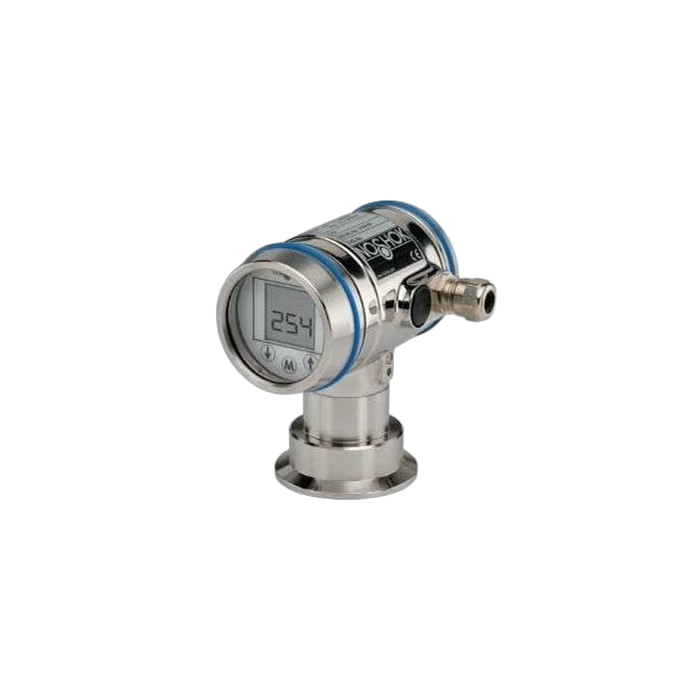
Pressure Transmitter 40°C - +85°C | NAR 8258

Submersible Pressure Transmitter -5°C - +80°C | EXNAL 8859

- Differential Pressure Transmitter: These transmitters measure the difference between two pressures and are used in applications such as flow measurement, level monitoring, and filter monitoring.
- Absolute Pressure Transmitter: These transmitters measure the pressure relative to a perfect vacuum and are used in applications such as vacuum systems, altitude measurement, and barometric pressure measurement.
- Gauge Pressure Transmitter: These transmitters measure the pressure relative to atmospheric pressure and are used in applications such as process control, HVAC, and pneumatic systems.
- Sealed Pressure Transmitter: These transmitters are designed to measure pressure in harsh or corrosive environments and are used in applications such as chemical processing, oil and gas, and wastewater treatment.
- Submersible Pressure Transmitter: These transmitters are designed to operate under water and are used in applications such as water treatment, sewage treatment, and deep well monitoring.
- Smart Pressure Transmitter: These transmitters are equipped with microprocessors and are capable of storing calibration data, performing diagnostics, and communicating with other devices.
- Sensor Element: The sensor element is the heart of a pressure transmitter, which is responsible for measuring the pressure of the fluid. It is made up of materials such as stainless steel, ceramic, and silicon, which are known for their excellent mechanical and chemical properties.
- Housing: The housing of a pressure transmitter is made up of materials such as stainless steel, aluminum, or plastic, which offer high strength and corrosion resistance.
- Diaphragm: The diaphragm is a thin, flexible membrane that separates the process fluid from the sensor element. It is typically made up of materials such as stainless steel or ceramic, which are resistant to corrosion and damage.
- Electrical Components: Electrical components such as wires, resistors, capacitors, and transistors are used in the construction of a pressure transmitter to convert the analog signal into a digital signal.
- Sealing Materials: Sealing materials such as O-rings, gaskets, and seals are used to prevent leakage of the process fluid and maintain airtightness.
- Temperature: Temperature can affect the accuracy of pressure measurement. High temperatures can cause expansion or contraction of the transmitter's components, leading to errors in measurement.
- Humidity: Moisture can cause corrosion of the transmitter's components, leading to reduced accuracy and reliability. High humidity can also cause condensation, which can affect the transmitter's performance.
- Vibration: Vibrations can cause mechanical stress on the transmitter's components, leading to failure or reduced accuracy. This is especially true for transmitters installed in machinery or equipment that experiences high vibration levels.
- Electromagnetic interference: Electromagnetic interference from nearby equipment or power lines can cause errors in measurement or even damage to the transmitter's electronics.
- Calibration: Regular calibration of pressure transmitters is necessary to ensure their accuracy. Calibration involves comparing the readings of the transmitter with a calibrated reference instrument and adjusting the transmitter's output to match the reference instrument.
- Inspection: Regular inspection of pressure transmitters is necessary to ensure that they are functioning correctly. This includes checking the wiring, connections, and mounting of the transmitter.
- Cleaning: The pressure transmitter's sensing element should be kept clean to ensure accuracy. The sensing element can be cleaned using a soft brush or a compressed air source.
- Zeroing: Zeroing the pressure transmitter is necessary to ensure that it is reading accurately. Zeroing involves setting the transmitter's output to zero when there is no pressure applied.
- Replacing parts: Some parts of the pressure transmitter, such as the seal or diaphragm, may wear over time and require replacement.
- Testing: The pressure transmitter should be tested periodically to ensure that it is functioning correctly. This can be done by applying a known pressure and verifying that the transmitter's output matches the expected value.
- Oil and gas: Pressure transmitters are used to monitor the pressure of oil and gas pipelines, as well as to control the flow of fluids in drilling operations.
- Chemical and petrochemical: Pressure transmitters are used to measure the pressure of various fluids and gases in chemical and petrochemical processes.
- Water and wastewater treatment: Pressure transmitters are used to monitor the pressure of water and wastewater pipelines, as well as to control the flow of fluids in treatment processes.
- HVAC: Pressure transmitters are used to measure the pressure of air in heating, ventilation, and air conditioning systems.
- Aerospace and aviation: Pressure transmitters are used to measure the pressure of air and fluids in aircraft engines and hydraulic systems.
- Automotive: Pressure transmitters are used to measure the pressure of fluids in automotive engines and hydraulic systems.
Pressure Transmitter Costs and Supplier Insights
If you are looking to buy a Pressure Transmitter for sale, suppliers on IndustrySearch include AMS Instrumentation & Calibration, ESIS, Autech Control Group, Slentech
Why choose a supplier in Melbourne for Pressure Transmitter Quotes?
If you are in Melbourne and considering purchasing a Pressure Transmitter, it's worth considering Melbourne-based suppliers. Doing so offers several benefits that are particularly relevant to businesses in the area. Here are the top reasons why opting for a local Melbourne supplier can be the best decision for your Pressure Transmitter buying needs.
Custom Solutions from Melbourne SuppliersGet Pressure Transmitter solutions that meet your exact needs from local suppliers. Tailor-made products ensure maximum efficiency and satisfaction.
Building a Resilient Economy with Pressure Transmitter PurchasesContribute to building a resilient economy by sourcing locally. Enhance economic stability and community well-being.
On-Site Pressure Transmitter Support and TrainingBenefit from on-site support and training in Melbourne. Having access to immediate help and expertise ensures your team uses the equipment effectively.
Fast-Track Your Pressure Transmitter NeedsFast-track your business needs with quick Pressure Transmitter sourcing from Melbourne. Reduce the wait and get what you need, when you need it.
Reliable Pressure Transmitter Products from Melbourne SuppliersRely on dependable Pressure Transmitter products from Melbourne suppliers. Their commitment to excellence guarantees satisfaction and performance.
Lower Carbon EmissionsContribute to lower carbon emissions by buying a Pressure Transmitter from Melbourne. Shorter supply routes mean significantly reduced environmental impact.
Buy a Pressure Transmitter Near Me

 Reach valuable industrial buyers in minutes
 Promote key products & content
 Drive cost effective & measurable sales