
Borescope & Inspection Camera

Join industrial buyers comparing supplier quotes and buying with confidence. Free, quick and easy.
How IndustrySearch works
Tell us what you need
Answer a few quick questions about the equipment you're looking for.
Get personalised quotes
Receive tailored quotes from relevant Australian suppliers.
Compare and choose
Compare quotes, ask questions and choose the best option for you.
 Save time
 Compare quotes
 Buy with confidence
Save time, compare quotes & buy with confidence
Borescope & Inspection Camera Suppliers
Borescopes and inspection cameras are optical devices used to inspect internal components of different items or systems to recognise damage or imperfections. They are used to view internal sections that cannot be viewed otherwise.
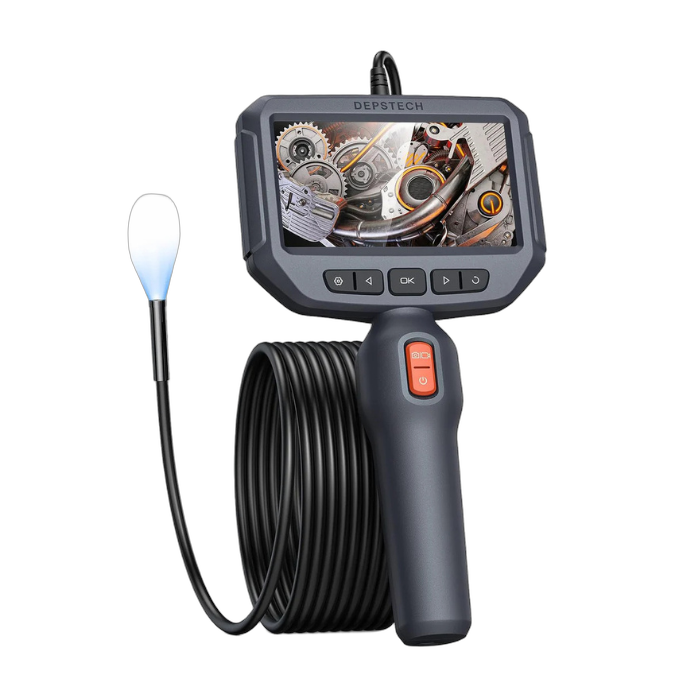
A borescope has an inspection camera at the end of a flexible or rigid tube that can be inserted within the object. This inspection camera allows you to examine hard-to-access areas.
Some modern borescopes can be seamlessly connected to smartphones with a cable for greater portability. You can get high-quality pictures or videos to inspect the object and its internal working thoroughly.
Borescopes and inspection cameras find their uses in many industries, including plumbing, automotive, aerospace, aviation, and even weapon manufacturing. They can be used to inspect pipes for blockage, turbine engines, internal combustion engines, diesel engines, and other areas that are hard to reach and require inspection on a regular basis.
Borescopes can be inserted in narrow spaces and offer a clear view of an internal component’s condition, often revealing details that would be otherwise impossible to spot.

Some invent to change the world, at RIDGID we invent for those who build it. In 1923, we invented the modern pipe wrench and since then everything that carries the RIDGID name has been designed and crafted for strength, effectiveness and legacy.


- An inspection camera, on the other hand, is a handheld device that has a small camera attached to a long, flexible cable. It is used to inspect areas that are difficult to see, such as behind walls or in tight spaces. The camera sends live video feed to a display screen, allowing the operator to see inside the area being inspected.
- Flexible borescopes: These borescopes are made of a flexible fiber optic cable that can bend and maneuver around corners and curves. They come in various lengths and diameters and are ideal for inspecting narrow spaces.
- Rigid borescopes: These borescopes are made of a rigid metal tube with lenses and mirrors that allow the user to inspect hard-to-reach areas. They are more durable than flexible borescopes and are available in various lengths and diameters.
- Videoscopes: These inspection cameras are equipped with a small video camera at the end of a flexible or rigid tube, which transmits real-time images to a monitor or display. They are ideal for inspecting larger areas and can be used for remote inspection.
- Endoscopes: These inspection cameras are similar to borescopes but are designed for medical and veterinary applications. They are used to inspect internal organs and cavities and are available in various lengths and diameters.
- Pipe inspection cameras: These cameras are designed for inspecting pipes and drains and are equipped with a waterproof camera on the end of a flexible cable. They are ideal for detecting blockages and damage in plumbing systems.
- The main difference between a rigid and flexible borescope is the flexibility of the tube. A rigid borescope has a solid tube that cannot be bent or flexed. It is used for inspecting straight, narrow areas such as pipes or gun barrels.
- On the other hand, a flexible borescope has a flexible tube that can be bent and maneuvered to inspect curved or angled areas. It is more versatile than a rigid borescope and is commonly used in the automotive and aviation industries to inspect engines and other complex machinery.
- Automotive inspection: Borescopes and inspection cameras are commonly used to inspect engines, transmissions, and other parts of vehicles. They can help mechanics identify problems such as leaks, cracks, and other issues without having to disassemble the components.
- Industrial inspection: Borescopes and inspection cameras are used to inspect machinery, pipes, and other industrial equipment. They can help identify defects or damage that could lead to equipment failure or production delays.
- Aerospace inspection: Borescopes and inspection cameras are used to inspect aircraft engines, turbines, and other components. They can help identify potential issues before they become serious problems.
- Medical inspection: Borescopes and inspection cameras are used in medical procedures such as endoscopies and colonoscopies. They allow doctors to see inside the body without having to make large incisions.
- Plumbing inspection: Borescopes and inspection cameras are used to inspect pipes and drains for clogs, leaks, and other issues. This can help prevent costly repairs and water damage in homes and buildings.
- Some important considerations when choosing a borescope and inspection camera include:
- Type of camera: There are many different types of cameras available, including flexible, rigid, and semi-rigid. Flexible borescopes are ideal for inspecting areas with curves and bends, while rigid and semi-rigid cameras are better suited for straight and narrow spaces.
- Resolution: The resolution of the camera is an important factor to consider, as it determines the level of detail that can be captured. Higher resolution cameras are better for inspections that require greater detail.
- Lighting: The lighting system of the camera is also important, as it affects the visibility of the inspection area. Some cameras come with built-in LED lights, while others require an external light source.
- Size: The size of the camera is important, as it determines how easily it can be maneuvered in tight spaces. Smaller cameras are generally better suited for inspections in smaller areas.
- Durability: It's important to choose a camera that is durable and can withstand harsh environments, especially if the inspection will be taking place in a challenging environment.
- Image quality: Look for a camera with high-resolution imaging capabilities to ensure clear and detailed images.
- Flexible cable: A flexible cable allows you to maneuver the camera into tight spaces and around corners.
- Length of cable: Consider the length of the cable you need to reach the areas you want to inspect.
- Lighting: An inspection camera with adjustable LED lighting can help you see better in dark or dimly lit areas.
- Waterproofing: If you plan to use the camera in wet or damp environments, look for a waterproof or water-resistant camera.
- Display screen: Some inspection cameras come with a built-in display screen, while others require a separate monitor or device to view images.
- Battery life: Consider the battery life of the camera to ensure it can last long enough for your inspection needs.
- Clean the lens: Use a microfiber cloth or lens cleaning wipes to gently clean the lens. Avoid using harsh chemicals or abrasive materials that can damage the lens.
- Clean the insertion tube: Use a soft-bristled brush or a cloth to clean the insertion tube. If there is debris or dirt on the tube, use a cleaning solution recommended by the manufacturer to remove it.
- Lubricate the insertion tube: Apply a small amount of lubricant to the insertion tube to ensure it moves smoothly and reduces friction. Use lubricants recommended by the manufacturer.
- Store the borescope properly: Store the borescope in a dry and dust-free environment. It is recommended to store it in a protective case to prevent damage.
- Regular maintenance: Inspect the borescope regularly for any signs of wear and tear. Replace any damaged parts or accessories to ensure optimal performance.
- In terms of returns, most retailers allow customers to return borescope and inspection cameras within a certain timeframe, usually 30 days, for a refund or exchange. However, the product must be unused and in its original packaging. Some retailers may also charge a restocking fee.
Borescope & Inspection Camera Costs and Supplier Insights
Buy a Borescope & Inspection Camera Near Me
Borescope & Inspection Camera Articles & Reviews
-
![]() Buying guide
Reducing Manufacturing Downtime: The Impact of Inspection Scopes in Borescope-and-inspection-camera
Read guide
-
![]() Buying guide
Borescope Inspection: Types, Uses, and Benefits Explained in Borescope-and-inspection-camera
Read guide
-
![]() Buying guide
Inspection Camera Scope: Key to Quality Control Success in Borescope-and-inspection-camera
Read guide



 Reach valuable industrial buyers in minutes
 Promote key products & content
 Drive cost effective & measurable sales