
Solar Regulator in Brisbane

Join industrial buyers comparing supplier quotes and buying with confidence. Free, quick and easy.

How IndustrySearch works
Tell us what you need
Answer a few quick questions about the equipment you're looking for.
Get personalised quotes
Receive tailored quotes from relevant Australian suppliers.
Compare and choose
Compare quotes, ask questions and choose the best option for you.
 Save time
 Compare quotes
 Buy with confidence
Save time, compare quotes & buy with confidence
Solar Regulator Suppliers in Brisbane

Solar Panel Xpress is an Solar Regulator supplier to Brisbane
Solar Xpress have been doing business in solar energy for over 20 years, as a small family operated business. Caravan and motorhome owners around Australia have been impressed with the knowledge, service and quality of the products Solar Xpress sells. They have a large fully equipped workshop with trained technicians that will install all 12 and 24 Volt gear. Insurance ...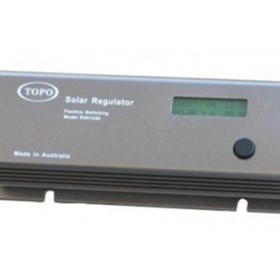
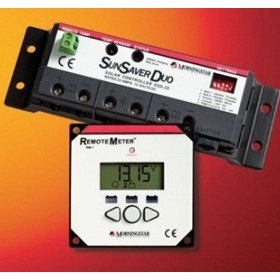

- To calculate the size of the solar regulator, you need to consider the following factors:
- Maximum Current Output: Check the specifications of your solar panels to determine their maximum current output in amperes (Amps).
- System Voltage: Determine the voltage of your solar panel system, which is usually 12V, 24V, or 48V.
- System Size: Calculate the total wattage of your solar panel system by multiplying the voltage and current output of your solar panels.
- Choose the right regulator: There are two types of regulators - PWM (Pulse Width Modulation) and MPPT (Maximum Power Point Tracking). Choose the one that suits your needs.
- Mount the regulator: Mount the regulator in a dry and cool place near the battery bank.
- Connect the solar panels: Connect the positive and negative leads of the solar panels to the regulator's solar input terminals.
- Connect the battery: Connect the positive and negative leads of the battery to the regulator's battery terminals.
- Connect the load: If you have a load, connect the positive and negative leads of the load to the regulator's load terminals.
- Turn on the regulator: Turn on the regulator and follow the manufacturer's instructions to configure the settings.
- Test the system: Test the system to ensure that the regulator is working correctly.
- Check the voltage: Use a voltmeter to measure the voltage of the battery bank. If the regulator is working properly, it should maintain a stable voltage and prevent overcharging or undercharging.
- Check the LED indicators: Many solar regulators have LED indicators that show the status of the system. If the LED is green, it means that the battery is fully charged, and if it’s red, it means the battery is being charged.
- Check the battery capacity: If your solar regulator is working properly, it should extend the life of your battery by preventing overcharging or undercharging. Check the battery capacity regularly to ensure that it’s holding a charge and performing as expected.
- Monitor the system performance: If you notice a drop in the performance of your solar power system, it could be a sign that the regulator is not working properly. Keep an eye on the system and look for any signs of malfunction, such as reduced battery capacity or erratic voltage readings.
- Maximum Power Point Tracking (MPPT): This feature allows the regulator to maximize the energy output from your solar panels. It ensures that the panels are operating at their maximum power point, which results in higher efficiency and more power output.
- Remote monitoring: Some solar regulators come with the ability to remotely monitor your system. This can be useful if your solar panels are installed in a hard-to-reach location, or if you want to monitor your system from a remote location.
- Temperature compensation: This feature adjusts the charging voltage of the regulator based on the temperature of the battery bank. It ensures that the battery bank is charged correctly, regardless of the temperature.
- Load control: Some solar regulators come with load control, which allows you to connect and control DC loads directly from the regulator. This can be useful if you want to power DC appliances or lighting directly from your solar system.
- Multiple battery support: Some regulators support multiple battery banks, which can be useful if you have a larger system with multiple batteries.
- Overload protection: This feature protects your system from overloading, which can damage your solar panels or battery bank. It ensures that the system is operating within safe limits.
Solar Regulator Costs and Supplier Insights
Why choose a supplier in Brisbane for Solar Regulator Quotes?
If you are in Brisbane and considering purchasing a Solar Regulator, it's worth considering Brisbane-based suppliers. Doing so offers several benefits that are particularly relevant to businesses in the area. Here are the top reasons why opting for a local Brisbane supplier can be the best decision for your Solar Regulator buying needs.
Stay Ahead in Solar Regulator TechnologyStay ahead in Solar Regulator technology with the help of local suppliers. They bring the newest advancements directly to your doorstep, keeping you competitive.
Get Your Solar Regulator FasterReduce waiting times and enhance productivity by buying your Solar Regulator from Brisbane suppliers. Enjoy the benefits of quick, local deliveries.
Continuous Learning with Brisbane SuppliersPromote continuous learning for your Solar Regulator with ongoing training and updates from Brisbane suppliers. Stay ahead with the latest operational knowledge.
Local Suppliers are the Key to Supply Chain StrengthMake local Solar Regulator suppliers in Brisbane key your supply chain strength. Depend on them for quick replenishments and steady supplies.
Budget with Local Solar Regulator SuppliersStreamline your budget by choosing local Solar Regulator suppliers. Efficient logistics and reduced overheads lead to cost-effective purchasing.
Eco-Friendly Solar Regulator SolutionsReduce your carbon footprint by choosing eco-friendly Solar Regulator solutions. Local sourcing cuts down on transport emissions and supports sustainable practices.
Buy a Solar Regulator Near Me

 Reach valuable industrial buyers in minutes
 Promote key products & content
 Drive cost effective & measurable sales