
Let us get you 3 quotes
Compare and select the best Compression Load Cell
Compare Quotes

Find the right
Compression Load Cell in Hobart
Compression Load Cell in Hobart
Join industrial buyers comparing supplier quotes and buying with confidence. Free, quick and easy.

Compare quotes from expert Hobart Compression Load Cell suppliers like:




How IndustrySearch works
Tell us what you need
Answer a few quick questions about the equipment you're looking for.
Get personalised quotes
Receive tailored quotes from relevant Australian suppliers.
Compare and choose
Compare quotes, ask questions and choose the best option for you.
Looking to buy the best Compression Load Cell for sale in Hobart? Get Quotes sends your requirements to expert suppliers in Australia so you get personalised quotes to compare Compression Load Cell prices, specifications, features and terms then choose the one that’s right for you. Also compare servicing, consumables and reviews, so you can buy with confidence.
 Save time
 Compare quotes
 Buy with confidence
Save time, compare quotes & buy with confidence
Compression Load Cell Suppliers in Hobart
Updated Apr 10, 2025
Supplier Location
Brand
Filter by brand:
Filter by location:
Metromatics | Computing, Technology and Embedded solutions
Customers: Raytheon Australia, BAE Systems, Boeing Australia, QR, Transgrid, Snowy Hydro, SAAB, ASC
Metromatics is an Compression Load Cell supplier to All
Metromatics Pty Ltd is an Australian-owned engineering and technology company specialising in the design, manufacture, integration and supply of rugged computing, embedded electronics and industrial technology solutions for demanding applications across Australia and New Zealand. Established in 1989, Metromatics provides engineering expertise and complete technology solutions ...Customers: Raytheon Australia, BAE Systems, Boeing Australia, QR, Transgrid, Snowy Hydro, SAAB, ASC

Futek Load Cell Donut LTH400
With high accuracy and high stiffness, the LTH400 is a Donut Through Hole Load Cell built for Press or Inline Compression Applications. The ...

Futek Pancake Load Cell Fatigue Rated LCF506
The LCF506 Fatigue Rated Pancake Load Cell is the designed for tension and compression applications. Available in 17-4 Stainless Steel measuring ...
NWI Group | Specialist Weighing and Measuring Equipment
Customers: Acciona, BHP, CPB Construction, CSL, Resmed, Alphapharm, Eurofins
NWI Group is an Compression Load Cell supplier to All
NWI is Australia’s leading provider of specialist weighing and measuring equipment, technology and services. Proudly independent and Australian-owned, NWI is a long-term partner to Australian industry. We strive to deliver competitive advantage, with lower cost of ownership, to every client. With offices and people across every state, NWI’s commitment to our customers is ...Customers: Acciona, BHP, CPB Construction, CSL, Resmed, Alphapharm, Eurofins

Australian Weighing Equipment | Weighing Systems and Packaging Machinery
Australian Weighing Equipment is an Compression Load Cell supplier to All
Australian Weighing Equipment or The AWE Group offers Weighing Systems, Packaging Machinery, Bulk Material Handling and Engineering Services driven by a client-service led culture and customized approach from people with innovative practices, technical capabilities and robust systems to make sure that our customers’ welfare and best interests are protected. For over 40 years, ...
AWE Compression Load Cell | AGY-1
For load/force applications with limited space

AWE AGY-3 Compression Load Cell
The Perfect Solution To Measuring Compression And Tension

AWE ASCA Weighbridge Compression Load Cell
The ASCA Weighbridge Load Cells are designed as heavy-capacity compression load cells.
Associated Scale Services | Weighing Equipment
Associated Scale Services is an Compression Load Cell supplier to All
The Associated Scale Services Pty Ltd was established in 1991, primarily for the weighing industries. As one of the largest industrial weighing companies in Queensland, Australia, the Associated Scales Services Pty Ltd expanded from Scale Service and Manufacturing to Metrology in the year 2000. In 2011 the company has grown to over 16 staff with more to be added in the immediate ...

CISCAL Group of Companies | Weighing, industrial, laboratory, calibration, etc
CISCAL Group of Companies is an Compression Load Cell supplier to All
CI Scientific Pty Ltd (CIS) is an Australian proprietary company established in 1969, that specialises in repair, maintenance and calibration of scientific and specialised measuring instruments employed in various research and industrial laboratories and testing facilities. Furthermore, we are an exclusive Australian selling agent of various brands that manufactures highly ...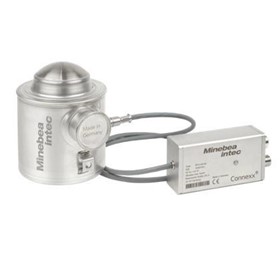
CISCAL Group of Companies Compression load cell Inteco
Best Practice | Acrylic manufacturers choose Inteco load cells for performance, accuracy, and efficiency.
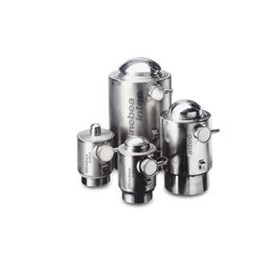
CISCAL Group of Companies Compression load cell PR 6201
The load cell PR 6201 has been designed especially for weighing silos, tanks, and process vessels. The load cell PR 6201 may only be used as ...

Hylec Controls | Quality test equipment since 1979.
Hylec Controls is an Compression Load Cell supplier to All
Hylec Controls has been a trusted supplier of quality test equipment and test system integrators since 1979. Our extensive experience and engineering expertise allow us to provide high-tech testing equipment to a wide range of industries, including building materials, packaging, civil engineering and structures, mining, automotive, aerospace, research, and education. At Hylec ...

Kelba | Weighing Equipment
Kelba is an Compression Load Cell supplier to All
KELBA is a 100% Australian owned and operated company, building and supplying quality load cells, mounting accessories and weighing equipment for use in industry both in Australia and Internationally. Our components are used under tanks, silo’s, mining applications, conveyors, weighbridges and most engineering applications, where proven weighing reliability and accuracy is ...


Compression Load Cell
Compression Load Cell
What is a compression load cell and how does it work?
A compression load cell is a type of sensor that is used to measure the compressive force applied to an object. It works by converting the force into an electrical signal that can be measured and recorded. The load cell typically consists of a metal body with a strain gauge attached to it. When a force is applied to the load cell, the metal body deforms slightly, causing the strain gauge to change its resistance. This change in resistance is then converted into an electrical signal that can be read by a computer or other device. Compression load cells are commonly used in industrial applications to measure the weight of materials or to monitor the force applied to machinery during operation.
What are the different types of compression load cells available in Australia?
There are several types of compression load cells available in Australia, including:
- Hydraulic load cells: These load cells use hydraulic pressure to measure the force applied to them. They are ideal for heavy-duty applications and can handle high loads.
- Pneumatic load cells: These load cells use air pressure to measure the force applied to them. They are suitable for applications where high accuracy is required.
- Strain gauge load cells: These load cells use strain gauges to measure the force applied to them. They are commonly used in industrial applications and are available in different sizes and capacities.
- Capacitive load cells: These load cells use changes in capacitance to measure the force applied to them. They are ideal for applications where high accuracy is required.
What is the maximum weight capacity of a compression load cell?
The maximum weight capacity of a compression load cell can vary depending on the specific model and manufacturer. Some load cells have a capacity of just a few pounds, while others can handle tens or even hundreds of thousands of pounds. It is important to choose a load cell with a capacity that is appropriate for the specific application and weight being measured.
What are the accuracy and precision levels of a compression load cell?
The accuracy and precision levels of a compression load cell depend on various factors such as the quality of the load cell, the calibration process, the environmental conditions, and the application requirements. Generally, high-quality compression load cells can provide accuracy levels of up to 0.1% of the full scale, while precision levels can be as low as 0.05% of the full scale. However, these values can vary depending on the load cell's specifications and the conditions under which it is used. It is important to choose a load cell that meets the accuracy and precision requirements of the specific application.
What are the environmental factors that can affect the performance of a compression load cell?
Compression load cells are used to measure the force or weight of objects by converting the force into an electrical signal. However, their performance can be affected by various environmental factors, including:
- Temperature: Compression load cells are sensitive to temperature changes, and extreme temperatures can affect their accuracy. High temperatures can cause the load cell to expand, while low temperatures can cause it to contract, leading to measurement errors.
- Humidity: Moisture can affect the load cell's electrical components, leading to corrosion and damage. High humidity can also cause the load cell to absorb moisture, affecting its accuracy.
- Vibration: Vibrations can cause the load cell to produce false readings, especially when measuring small forces. Vibrations can also damage the load cell's internal components, affecting its performance.
- Electrical interference: Electrical interference from nearby equipment or power sources can affect the load cell's electrical signal, leading to measurement errors.
- Overloading: Overloading the load cell beyond its capacity can cause permanent damage to the load cell, affecting its accuracy and performance.
- Mounting: Improper mounting of the load cell can affect its accuracy and performance. The load cell should be mounted on a flat and stable surface to ensure accurate measurements.
What are the installation requirements for a compression load cell?
Compression load cells require a stable and level surface for installation. The load cell should be mounted on a flat and rigid base plate, and the load should be applied directly to the load cell's sensing element. The load cell should be protected from any lateral or bending forces that may affect its accuracy. The load cell should also be connected to a suitable signal conditioning device and calibrated before use. Additionally, the load cell should be installed in a location that is free from vibration, electromagnetic interference, and extreme temperatures.
What are the maintenance and calibration requirements for a compression load cell?
Compression load cells are used to measure the force applied to an object in a compression or pushing direction. To ensure accurate and reliable readings, these load cells require regular maintenance and calibration. The maintenance and calibration requirements for a compression load cell include:
- Regular cleaning: The load cell should be cleaned regularly to remove any dirt, dust, or debris that may affect its performance.
- Inspection: The load cell should be inspected for any signs of damage or wear and tear. Any damaged or worn parts should be replaced immediately.
- Calibration: The load cell should be calibrated regularly to ensure accurate readings. Calibration should be performed by a qualified technician using calibrated weights.
- Zeroing: The load cell should be zeroed before each use to ensure accurate readings. This can be done using a zeroing button or by applying a known load and adjusting the reading to zero.
- Avoiding overloading: The load cell should not be overloaded beyond its capacity as this can damage the load cell and affect its accuracy.
- Proper storage: The load cell should be stored in a dry and clean environment to prevent damage from moisture or dust.
What are the safety considerations when using a compression load cell?
When using a compression load cell, there are several safety considerations that should be taken into account. These include:
- Proper installation: The load cell should be installed correctly and securely to ensure accurate readings and prevent accidents.
- Overloading: The load cell should not be overloaded beyond its capacity, as this can cause damage to the load cell and potentially lead to accidents.
- Environmental factors: The load cell should be protected from extreme temperatures, humidity, and other environmental factors that can affect its performance.
- Electrical safety: The load cell should be properly grounded and all electrical connections should be secure to prevent electrical shocks or fires.
- Maintenance: Regular maintenance and calibration of the load cell are necessary to ensure accurate readings and prevent accidents.
What is the cost of a compression load cell in Australia?
The cost of a compression load cell in Australia may vary depending on the brand, model, and specifications. It is recommended to check with local suppliers or online retailers for current pricing information.
Get 3+ Quotes Now - Compare prices, availability and quality. It’s free, quick and secure.
Back to top
Compression Load Cell Costs and Supplier Insights
The listed price of a Compression Load Cell for sale ranges from $500 to $3,000, averaging $1,750.
If you are looking to buy a Compression Load Cell for sale, suppliers on IndustrySearch include Metromatics, NWI Group, Australian Weighing Equipment, Associated Scale Services
Use Get Quotes to receive personalised prices and proposals from trusted suppliers with top reviews and excellent service.
Buy a Compression Load Cell Near Me
Save time and delivery costs while getting fast support, by contacting Compression Load Cell suppliers near you.
Back to top
Compression Load Cell Articles & Reviews



Are you a Compression Load Cell supplier?
 Reach valuable industrial buyers in minutes
 Promote key products & content
 Drive cost effective & measurable sales
learn more
Reach valuable industrial buyers in minutes
Promote key products & content
Drive cost effective & measurable sales