
Let us get you 3 quotes
Compare and select the best Conductivity Sensor
Compare Quotes

Find the right
Conductivity Sensor in Darwin
Conductivity Sensor in Darwin
Join industrial buyers comparing supplier quotes and buying with confidence. Free, quick and easy.

Compare quotes from expert Darwin Conductivity Sensor suppliers like:




How IndustrySearch works
Tell us what you need
Answer a few quick questions about the equipment you're looking for.
Get personalised quotes
Receive tailored quotes from relevant Australian suppliers.
Compare and choose
Compare quotes, ask questions and choose the best option for you.
Looking to buy the best Conductivity Sensor for sale in Darwin? Get Quotes sends your requirements to expert suppliers in Australia so you get personalised quotes to compare Conductivity Sensor prices, specifications, features and terms then choose the one that’s right for you. Also compare servicing, consumables and reviews, so you can buy with confidence.
 Save time
 Compare quotes
 Buy with confidence
Save time, compare quotes & buy with confidence
Conductivity Sensor Suppliers in Darwin
Supplier location
Brand
Mettler Toledo | Weighing, inspection and analytical solutions
Mettler Toledo is an Conductivity Sensor supplier to All
We offer precision instruments and services for many applications in research and development, quality control, production, logistics and retail to customers around the world. Our precision instruments are the foundation of research and quality control labs all over the world. Also, our analytical balances, titrators, pH meters, density meters, refractometers, melting point ...

Vtech Materials Testing Equipment | Laboratory Equipment Supplier
Vtech Materials Testing Equipment is an Conductivity Sensor supplier to All
Vtech Materials Testing Equipment Pty Ltd is a leading laboratory equipment supplier, based in Melbourne, Victoria, AUSTRALIA.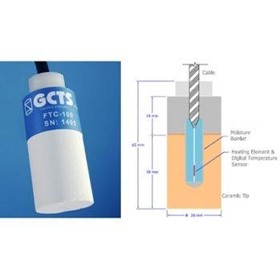

Pacific Data Systems Australia | Environmental Monitoring And Data Acquisition
Pacific Data Systems Australia is an Conductivity Sensor supplier to All
Since 1984, Pacific Data Systems Australia has been providing the tools to help our customers gather the critical information needed to make faster and smarter choices. Today that same focus continues but our range of products and services has expanded dramatically to include environmental monitoring solutions, data loggers and telemetry, rugged computers, breath alcohol and drug ...

Conductivity Sensor
Conductivity Sensor
What is a conductivity sensor and how does it work?
A conductivity sensor is an electronic device that measures the ability of a solution to conduct electricity. It works by passing a small electric current through the solution and measuring the resulting voltage. The conductivity of the solution is directly proportional to the current flow and inversely proportional to the resistance of the solution. The sensor typically consists of two electrodes, one that is charged with a voltage and the other that measures the resulting current flow. The conductivity of the solution can be used to determine the concentration of dissolved ions or the purity of the solution. Conductivity sensors are commonly used in water treatment, chemical processing, and food and beverage industries.
What are the different types of conductivity sensors available in Australia?
There are various types of conductivity sensors available in Australia, including:
- Contacting conductivity sensors: These sensors use two electrodes to measure the conductivity of a solution. They are commonly used in industrial applications.
- Inductive conductivity sensors: These sensors use a coil to measure the conductivity of a solution. They are non-contacting and are commonly used in the food and beverage industry.
- Toroidal conductivity sensors: These sensors use a toroidal coil to measure the conductivity of a solution. They are non-contacting and are commonly used in the pharmaceutical industry.
- Optical conductivity sensors: These sensors use light to measure the conductivity of a solution. They are non-contacting and are commonly used in the biotechnology industry.
What is the range of conductivity measurement for a typical sensor?
However, the range of conductivity measurement for a typical sensor can vary depending on the application and the type of sensor. Some sensors have a range of 0-2000 μS/cm, while others can measure up to 20,000 μS/cm or more. It is important to choose a sensor with a range appropriate for the specific application to ensure accurate measurements.
What are the factors that affect the accuracy of a conductivity sensor?
The accuracy of a conductivity sensor can be affected by several factors, including temperature, electrode condition, sample composition, and calibration. Temperature can affect the conductivity of the sample, and therefore, the readings of the sensor. Electrode condition, such as fouling or damage, can also affect the accuracy of the sensor. Sample composition, such as the presence of impurities or dissolved solids, can also impact the conductivity readings. Finally, calibration is critical to ensuring accurate readings, and factors such as the calibration solution and frequency of calibration can affect the accuracy of the sensor.
How do I choose the right conductivity sensor for my application?
Choosing the right conductivity sensor for your application involves considering factors such as the type of solution being measured, the conductivity range, the accuracy and resolution required, the temperature range, the chemical compatibility of the sensor material, and the installation method. It is important to consult with a knowledgeable supplier or manufacturer to ensure that the sensor selected is appropriate for the specific application.
What are the maintenance requirements for a conductivity sensor?
A conductivity sensor requires periodic cleaning to remove any buildup of contaminants on the sensor surface. The frequency of cleaning depends on the application and the level of contamination. The sensor should also be calibrated regularly to ensure accurate readings. The calibration frequency depends on the application and the level of accuracy required. The sensor should be stored properly when not in use to prevent damage or contamination. Additionally, the sensor should be inspected regularly for any signs of physical damage or wear and tear.
Can a conductivity sensor be used in harsh environments?
It depends on the specific conductivity sensor and the harsh environment in question. Some conductivity sensors are designed to withstand extreme temperatures, pressure, and chemical exposure, making them suitable for use in harsh environments such as industrial processes, wastewater treatment plants, and oil and gas production facilities. However, other conductivity sensors may not be able to withstand these conditions and may require additional protection or maintenance to function properly. It is important to carefully evaluate the specifications and capabilities of a conductivity sensor before using it in a harsh environment.
What is the cost of a conductivity sensor in Australia?
The cost of a conductivity sensor in Australia may vary depending on the brand, model, and supplier. It is best to check with local suppliers or online stores to get an accurate price range.
Are there any warranties or guarantees for conductivity sensors?
Yes, most conductivity sensors come with warranties or guarantees. The length and terms of the warranty or guarantee may vary depending on the manufacturer and the specific product. It is important to check the warranty or guarantee information before purchasing a conductivity sensor to ensure that it meets your needs and expectations.
Get 3+ Quotes Now - Compare prices, availability and quality. It’s free, quick and secure.
Back to top
Conductivity Sensor Costs and Supplier Insights
The listed price of a Conductivity Sensor for sale ranges from $100 to $1,000, averaging $550.
If you are looking to buy a Conductivity Sensor for sale, suppliers on IndustrySearch include Mettler Toledo
Use Get Quotes to receive personalised prices and proposals from trusted suppliers with top reviews and excellent service.
Buy a Conductivity Sensor Near Me
Save time and delivery costs while getting fast support, by contacting Conductivity Sensor suppliers near you.

Are you a Conductivity Sensor supplier?
 Reach valuable industrial buyers in minutes
 Promote key products & content
 Drive cost effective & measurable sales
learn more
Reach valuable industrial buyers in minutes
Promote key products & content
Drive cost effective & measurable sales