
Embedded Computer in Sydney

Join industrial buyers comparing supplier quotes and buying with confidence. Free, quick and easy.





How IndustrySearch works
Tell us what you need
Answer a few quick questions about the equipment you're looking for.
Get personalised quotes
Receive tailored quotes from relevant Australian suppliers.
Compare and choose
Compare quotes, ask questions and choose the best option for you.
 Save time
 Compare quotes
 Buy with confidence
Save time, compare quotes & buy with confidence
Embedded Computer, Fanless PC & Fanless PC Suppliers in Sydney

Unitronix is an Embedded Computer supplier to All
The most reliable supplier of COTS electronics for defence, telecommunications, and real-time systems integrators in Australia and New Zealand. Our goal is to provide the highest level of technical support both pre-sales and after sales, giving Unitronix a focus on knowledge sharing, problem solving, and working collaboratively with our customers to provide complete life cycle ...

IPD Industrial Products is an Embedded Computer supplier to Sydney
IPD is a privately owned Australian company with a national footprint servicing the electrical industry. We have been providing quality global brands such as GE, Hensel, Socomec, DEHN and Elsteel into the Australian market for over 60 years. We are proud to employ over 160 professional people in areas such as engineering, sales & logistics. We have an innovative and extensive ...

Kontron Australia is an Embedded Computer supplier to Sydney
Founded in 2003 Kontron Australia opened as the principle office in Australia for Kontron AG. Identified as the PAC of the APAC region for Kontron servicing Australia and New Zealand. Kontron is the world’s largest supplier of the Product known as COM (Computer on Module) which was conceived by a company called Jumptech with the introduction of the DIMM PC, an intel ISA based ...

SINTRONES is an Embedded Computer supplier to All
SINTRONES is a leading provider of vehicle computer solutions in Taiwan, focusing on R&D, design, and manufacturing of vehicle computer systems that meet the global market's needs. Since our establishment in 2009, we have successfully launched a series of intelligent computing systems widely used in EVSE HMI and transportation related applications. After establishing a strategic ...


Xinc Technologies is an Embedded Computer supplier to All
Xinc Technologies import and distribute quality audio visual & IT gear for integrators, designers and manufacturers. We supply Industrial Displays, Touch Displays, Panel PC’s, Box PC’s, Rugged Tablets and Speakers with a strong focus on the Digital Signage/DOOH markets. We also supply a broad range of accessories including custom cables and mounts. With years of industry ...
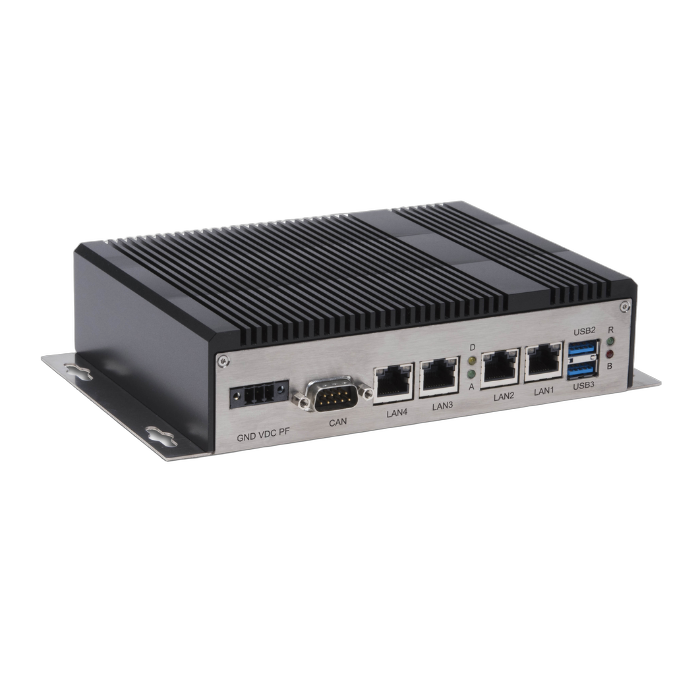
Full IP65 Rugged Embedded PC | F65EAC-IT32

ATEX Rugged Box PC | IBDRW100-EX-P Intel® Atom® E3950

APC Technology is an Embedded Computer supplier to All
Since 1984, APC Technology has led the way in ruggedised hardware, developing technology that is built to survive the impact of the elements. Whether it’s shock, vibration, water, dust, g-forces, or anything nature throws at you, we can develop a technology solution to help get your work done. Our constantly improving, end-to-end design, manufacture and sustainment processes ...
NEXCOM Fanless Computer System For Automation & Control Fields

IBASE Embedded Computer Supports Intel Atom | AGS100

Stealth is an Embedded Computer supplier to All
Founded in 1990, Stealth is a leading manufacturer of specialized Rugged Computers, Displays and Peripherals. We are certified to ISO 9001-2015 and continually develop innovative products designed to meet the exact needs of our clients. For three decades, we have been providing proven and reliable product solutions assisting our customers with their large variety of applications. ...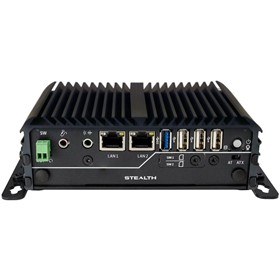

- Some of the key features of an embedded computer include:
- Compact size: Embedded computers are typically small and lightweight, which makes them easy to integrate into other systems.
- Low power consumption: They are designed to use minimal power, which helps to reduce operating costs and extend the lifespan of the device.
- Real-time operation: Embedded computers are often used in applications that require real-time processing, such as industrial control systems, medical equipment, and automotive systems.
- Customizable software: The software running on an embedded computer can be customized to meet the specific needs of the application it is being used for.
- Robustness: Embedded computers are typically designed to be rugged and reliable, and can operate in harsh environments with extreme temperatures, humidity, or vibration.
- The purpose of an embedded computer is to provide a dedicated computational platform for a specific application or set of applications. By designing a computer system specifically for a particular purpose, developers can optimize the hardware and software to meet the specific requirements of that application, resulting in a more efficient and effective system overall.
- There are several key differences between embedded computers and regular computers. One of the biggest differences is in their size and form factor. Embedded computers are typically smaller and more compact than regular computers, and they may be integrated into other devices or systems rather than being stand-alone machines.
- Another key difference is in their hardware and software architecture. Embedded computers are often designed to be more specialized and focused than regular computers, with hardware and software components that are optimized for specific applications. This can include things like specialized sensors, processors, and memory, as well as custom software that is designed to work seamlessly with the specific hardware configuration.
- There are several different types of embedded computers available in the Australian market, including:
- Single-board computers: These are complete computers built onto a single circuit board, which often includes a processor, memory, storage, and I/O ports.
- System-on-module (SoM) computers: These are small, modular computers that can be integrated into larger systems. They typically include a processor, memory, and I/O interfaces.
- Microcontrollers: These are small, low-power computers that are often used to control specific functions or devices. They typically include a processor, memory, and various I/O interfaces.
- Industrial computers: These are ruggedized computers designed to operate in harsh environments. They often include additional features such as dust and water resistance, shock resistance, and extended temperature ranges.
- Advantages:
- Size: Embedded computers are small in size, making them ideal for use in devices with limited space.
- Power consumption: They consume less power than regular computers, making them more energy-efficient.
- Reliability: Embedded computers are designed to perform specific functions and are less prone to failure than general-purpose computers.
- Cost: They are typically less expensive than regular computers because they are designed for a specific purpose and do not require as much processing power or memory.
- Disadvantages:
- Limited functionality: Embedded computers are designed for specific functions and cannot perform general-purpose computing tasks.
- Limited upgradability: Upgrading the hardware or software of an embedded computer can be difficult or impossible.
- Complexity: Developing and programming an embedded computer can be more complex and time-consuming than programming a general-purpose computer.
- Maintenance: Maintenance of an embedded computer can be more difficult due to its integration into a larger device or machine.
- Check the operating system (OS) requirements of your software: Determine the OS requirements of the software applications you plan to run on the embedded computer. Ensure that the embedded computer supports the same or a compatible OS.
- Review hardware specifications: Check the hardware specifications of your existing hardware, including the processor, RAM, and storage requirements. Ensure that the embedded computer has similar or better specifications.
- Check connectivity options: Ensure that the embedded computer has the necessary connectivity options to communicate with your existing hardware and software. This includes ports, protocols, and network adapters.
- Evaluate power requirements: Evaluate the power requirements of the embedded computer and ensure that it is compatible with your existing power infrastructure.
- Test compatibility: Before making a final decision, test the compatibility of the embedded computer with your existing hardware and software. This can involve running compatibility tests or conducting a trial run.
- To install an embedded computer, you need to first choose the right hardware and software components that meet the requirements of your specific application. You can either purchase a pre-built embedded computer system or build one yourself using off-the-shelf components.
- Once you have the hardware and software components, you need to assemble them and configure the system. This typically involves installing the operating system, drivers, and any necessary software applications.
- If your embedded computer needs repairs or replacement during the warranty period, you can contact the vendor or manufacturer for assistance. They may require you to provide proof of purchase and a description of the problem. Depending on the severity of the issue, they may offer to repair the product, replace it with a new one, or offer a refund.
Embedded Computer Costs and Supplier Insights
If you are looking to buy an Embedded Computer for sale, suppliers on IndustrySearch include Ti2 Pty Ltd, Backplane Systems Technology, Metromatics, ESIS, Micromax, Omron Automation & Robotics, Weld East Fabricators, ICP Electronics
Why choose a supplier in Sydney for Embedded Computer Quotes?
If you are in Sydney and considering purchasing an Embedded Computer, it's worth considering Sydney-based suppliers. Doing so offers several benefits that are particularly relevant to businesses in the area. Here are the top reasons why opting for a local Sydney supplier can be the best decision for your Embedded Computer buying needs.
Sydney Providers Leading Innovation AdoptionChoose Sydney Embedded Computer providers leading in innovation adoption. They help you implement the latest industry trends swiftly, enhancing your operational capacity.
Advance Your Sustainability GoalsAdvance your sustainability goals by partnering with Embedded Computer suppliers. Local production lessens environmental impact and promotes greener operations.
Better Operations with Training ProgramsEnhance your operations with specialised Embedded Computer training programs offered by Sydney suppliers. Educate your staff on the latest techniques and safety protocols.
Benefit from Sydney Supplier ExpertiseEnhance your Embedded Computer's functionality with cutting-edge customisations. Tailored enhancements drive better business outcomes.
Building a Resilient Economy with Embedded Computer PurchasesContribute to building a resilient economy by sourcing locally. Enhance economic stability and community well-being.
Dependability of Sydney Embedded Computer ProductsAssure quality and dependability when you buy an Embedded Computer. Local suppliers maintain rigorous quality control to meet your expectations.
Buy a Embedded Computer Near Me
Embedded Computer Articles & Reviews



 Reach valuable industrial buyers in minutes
 Promote key products & content
 Drive cost effective & measurable sales