
Handheld Temperature Calibrator in Brisbane

Join industrial buyers comparing supplier quotes and buying with confidence. Free, quick and easy.
How IndustrySearch works
Tell us what you need
Answer a few quick questions about the equipment you're looking for.
Get personalised quotes
Receive tailored quotes from relevant Australian suppliers.
Compare and choose
Compare quotes, ask questions and choose the best option for you.
 Save time
 Compare quotes
 Buy with confidence
Save time, compare quotes & buy with confidence
Handheld Temperature Calibrator Suppliers in Brisbane
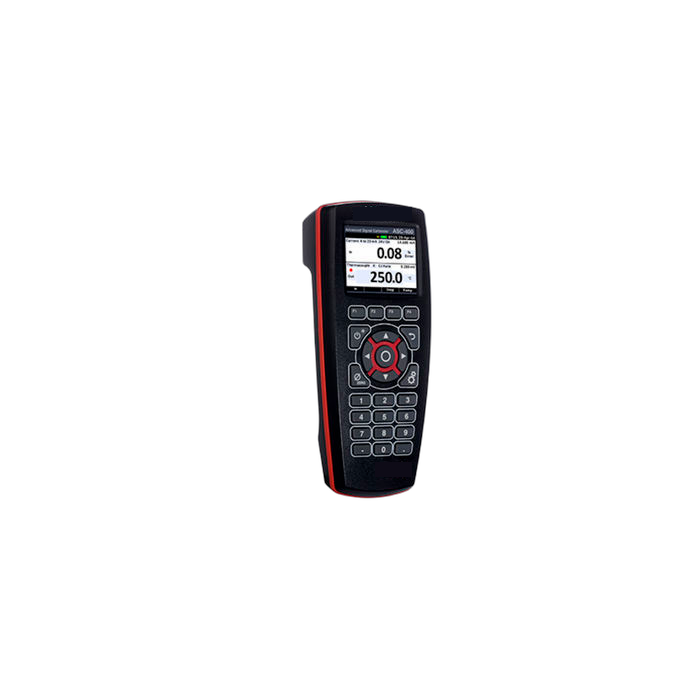
Temperature calibrators are specialised devices that are used for calibrating temperature devices. These devices have predetermined limits of accuracy, and are generally used for industrial applications.
A temperature calibrator uses a specific reference point to calibrate the temperature. They have specific components, including temperature sensors to source, report, and read temperatures. Handheld temperature calibrators have internal electronics that generate voltage at specific temperatures.
The two common types of temperature calculators include sourcing calibrators and physical heat calibrators. The former uses voltage to simulate sensors. They can be used for verifying readings, such as whether an appliance’s sensor is providing the correct temperature.
Some calibrators produce physical heat, such as infrared calibrators. They have sensors that measure the temperature of the calibrator. An external temperature probe is used to measure the temperature of the device being tested.
The temperature calibrator displays a reading, showing the temperature of the sensor. Often, the sensors of the device being tested are connected to the calibrator to compare the readings between the sensor and the one on the device’s display.

CISCAL Group of Companies is an Handheld Temperature Calibrator supplier to All
CI Scientific Pty Ltd (CIS) is an Australian proprietary company established in 1969, that specialises in repair, maintenance and calibration of scientific and specialised measuring instruments employed in various research and industrial laboratories and testing facilities. Furthermore, we are an exclusive Australian selling agent of various brands that manufactures highly ...

Queensland Calibrations is an Handheld Temperature Calibrator supplier to Brisbane
Queensland Calibrations is a privately owned, Brisbane based company providing sales, calibration services and repairs for a comprehensive range of test and measurement equipment. In this location, we maintain an organised and responsive local warehouse, and specialised calibration facilities where all repairs, tests and calibrations are performed in a purpose built and controlled ...

- There are two main types of temperature calibrators: dry block and liquid bath. Dry block calibrators use a metal block with a precision drilled hole in which the sensor or thermometer is placed. The block is then heated or cooled to a specific temperature, and the sensor or thermometer is compared to the known temperature of the block. Liquid bath calibrators immerse the sensor or thermometer in a bath of liquid, usually oil or water, that is heated or cooled to a specific temperature.
- Dry Block Calibrators: These calibrators use a heated block to create a stable and accurate temperature environment. They are typically used for calibrating thermocouples and RTDs.
- Liquid Bath Calibrators: These calibrators use a liquid bath to create a stable and accurate temperature environment. They are typically used for calibrating thermometers and temperature probes.
- Black Body Calibrators: These calibrators use a black body to create a stable and accurate temperature environment. They are typically used for calibrating infrared thermometers.
- Portable Calibrators: These calibrators are small and portable, making them ideal for field use. They are typically used for calibrating temperature probes and sensors.
- Multifunction Calibrators: These calibrators can calibrate multiple types of temperature measuring instruments, including thermocouples, RTDs, and thermometers.
- Temperature range: Make sure that the temperature calibrator you choose covers the temperature range required for your application. If you need to calibrate devices that measure extreme temperatures, you may need a calibrator with a wider temperature range.
- Accuracy: The level of accuracy required will depend on the type of application. If you are calibrating devices that require high accuracy, you will need a temperature calibrator that provides high accuracy.
- Type of temperature sensor: Different types of temperature sensors require different types of temperature calibrators. For example, if you are calibrating a thermocouple, you will need a temperature calibrator that can simulate the output of a thermocouple.
- Portability: If you need to calibrate temperature measurement devices in the field, you will need a portable temperature calibrator that is easy to carry around.
- Budget: The cost of a temperature calibrator can vary depending on the features and level of accuracy. It is important to choose a temperature calibrator that meets your requirements within your budget.
- Preparing the calibrator: Before starting the calibration process, the temperature calibrator should be set up and configured according to the manufacturer's instructions. This may involve connecting it to a power source, selecting the temperature range to be calibrated, and allowing the device to warm up or cool down to the desired temperature.
- Selecting the reference standard: The next step is to select a reference standard or thermometer that is known to be accurate and reliable. This may be a laboratory-grade thermometer, a precision temperature probe, or a specialized reference instrument designed for calibration purposes.
- Comparing the readings: Once the reference standard is in place, the temperature calibrator can be used to measure the temperature of the standard and compare it to the displayed temperature on the instrument being calibrated. This process may involve several measurements at different temperature points, depending on the range of the calibrator and the accuracy requirements of the instrument being calibrated.
- Adjusting the calibration: Based on the comparison of the readings, the temperature calibrator may need to be adjusted to ensure that it is providing accurate and consistent measurements. This may involve adjusting the calibration coefficients or applying offset values to the readings.
- Verifying the calibration: Once the adjustments have been made, the calibration process should be repeated to verify that the temperature calibrator is now providing accurate and consistent measurements. This may involve comparing the readings of the instrument being calibrated to those of the reference standard at multiple temperature points.
Handheld Temperature Calibrator Costs and Supplier Insights
Buy a Handheld Temperature Calibrator Near Me
Handheld Temperature Calibrator for sale in Melbourne
Handheld Temperature Calibrator for sale in Adelaide
Handheld Temperature Calibrator for sale in Perth
Handheld Temperature Calibrator for sale in Brisbane
Handheld Temperature Calibrator for sale in Hobart
Handheld Temperature Calibrator for sale in Darwin
Handheld Temperature Calibrator Articles & Reviews



 Reach valuable industrial buyers in minutes
 Promote key products & content
 Drive cost effective & measurable sales