
Isolated Converter in Perth

Join industrial buyers comparing supplier quotes and buying with confidence. Free, quick and easy.



How IndustrySearch works
Tell us what you need
Answer a few quick questions about the equipment you're looking for.
Get personalised quotes
Receive tailored quotes from relevant Australian suppliers.
Compare and choose
Compare quotes, ask questions and choose the best option for you.
 Save time
 Compare quotes
 Buy with confidence
Save time, compare quotes & buy with confidence
Isolated Converter Suppliers in Perth

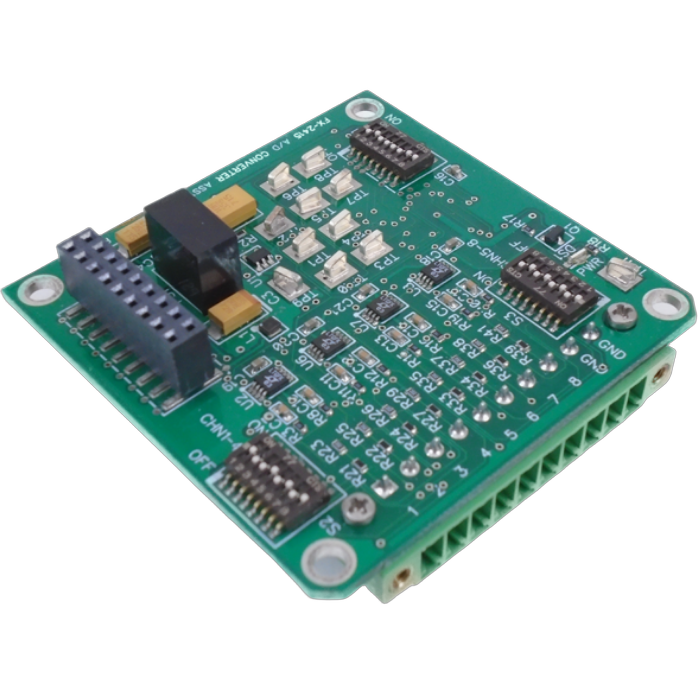
Trycom Technology is an Isolated Converter supplier to All
Trycom Technology Co. Ltd was founded in 2002 and has extensively sold products to more than 40 countries worldwide. We are one of the major suppliers of Industrial communication converters and digital Input/Output and analog Input RS-485 modules products in Taiwan. Our customers are professional in many fields of leading Industrial automation, networking and system control ...
RS232 to RS422/485 Optical Isolated Converter - TRP-C06

Dual RS232 to RS422/485 Isolated Converter - TRP-C06H

CM Industry Supply Automation is an Isolated Converter supplier to All
We as CM Industry Supply Believe in facilitating our Customers for all their technical need in the field of automation. We are Leading Industrial Automation Provider We have a Team expertise in installation, implementation and support for all type of electrical and mechanical devices, motors, servos, gearbox, etc. Our Priority Customers like Trident, Vadhman, Jindal Steels, Birla ...

- What is an Isolated Converter?
- What are the benefits of using an Isolated Converter?
- What are the different types of Isolated Converters available in the market?
- How do I choose the right Isolated Converter for my application?
- What is the input voltage range of an Isolated Converter?
- What is the output voltage range of an Isolated Converter?
- What is the maximum current output of an Isolated Converter?
- What is the efficiency of an Isolated Converter?
- What are the safety features of an Isolated Converter?
- The isolated converter works by using a transformer to transfer power from the input circuit to the output circuit. The transformer provides electrical isolation between the two circuits, preventing any direct electrical connection between them. The input voltage is first rectified and filtered to produce a DC voltage, which is then fed to the primary winding of the transformer. The secondary winding of the transformer is connected to the output circuit, which is also rectified and filtered to produce the desired output voltage.
- DC-DC Converters: These converters are used to convert DC voltage from one level to another, while providing electrical isolation.
- AC-DC Converters: These converters are used to convert AC voltage to DC voltage, while providing electrical isolation.
- DC-AC Converters: These converters are used to convert DC voltage to AC voltage, while providing electrical isolation.
- AC-AC Converters: These converters are used to convert AC voltage from one level to another, while providing electrical isolation.
- Digital Isolators: These isolators are used to provide electrical isolation between digital circuits.
- Optocouplers: These devices use light to transmit signals across an isolation barrier, providing electrical isolation between circuits.
- Magnetic Isolators: These isolators use magnetic fields to transmit signals across an isolation barrier, providing electrical isolation between circuits.
- Isolation voltage: The isolation voltage should be sufficient to provide safe isolation between the input and output circuits.
- Efficiency: The converter should have high efficiency to minimize power loss and reduce heat generation.
- Load regulation: The converter should be able to maintain a stable output voltage under varying load conditions.
- Temperature range: The converter should be able to operate within the required temperature range for the application.
- Size and form factor: The converter should be compact and easy to integrate into the system.
- Input and output connectors: The converter should have appropriate input and output connectors for easy installation and maintenance.
- Safety certifications: The converter should be certified for safety standards such as UL, CE, and RoHS.
- UL 60950-1: This is a safety standard for information technology equipment. It ensures that the isolated converter meets the safety requirements for electrical shock, fire, and mechanical hazards.
- EN 60950-1: This is a European safety standard for information technology equipment. It ensures that the isolated converter meets the safety requirements for electrical shock, fire, and mechanical hazards.
- IEC 60950-1: This is an international safety standard for information technology equipment. It ensures that the isolated converter meets the safety requirements for electrical shock, fire, and mechanical hazards.
- CE Mark: This is a certification that indicates that the isolated converter meets the safety requirements of the European Union.
- RoHS: This is a certification that indicates that the isolated converter is free from hazardous substances such as lead, mercury, and cadmium.
- REACH: This is a certification that indicates that the isolated converter complies with the European Union's regulations on the registration, evaluation, authorization, and restriction of chemicals.
- FCC Part 15: This is a certification that indicates that the isolated converter meets the electromagnetic interference (EMI) requirements of the Federal Communications Commission in the United States.
- Identify the input and output voltage requirements of your system.
- Choose an isolated converter that meets your voltage requirements and has the appropriate input and output connectors.
- Connect the input power source to the input connector of the converter.
- Connect the output load to the output connector of the converter.
- Turn on the power source and monitor the output voltage to ensure it is within the desired range.
- Precautions to take when installing and operating an isolated converter include:
- Ensure that the input and output voltage requirements of the converter match those of your system to prevent damage to your equipment.
- Make sure that the input and output connectors are properly connected to avoid short circuits or other electrical hazards.
- Follow the manufacturer's instructions for grounding the converter to prevent electrical shock or damage to the equipment.
- Use appropriate protective gear, such as gloves and safety glasses, when handling the converter to avoid injury.
Isolated Converter Costs and Supplier Insights
Why choose a supplier in Perth for Isolated Converter Quotes?
If you are in Perth and considering purchasing an Isolated Converter, it's worth considering Perth-based suppliers. Doing so offers several benefits that are particularly relevant to businesses in the area. Here are the top reasons why opting for a local Perth supplier can be the best decision for your Isolated Converter buying needs.
Collaborate Locally for Isolated Converter PurchasesBoost local collaboration by purchasing in Perth. Strengthen your community with every business interaction.
Perth Providers Leading Innovation AdoptionChoose Perth Isolated Converter providers leading in innovation adoption. They help you implement the latest industry trends swiftly, enhancing your operational capacity.
Better Operations with Training ProgramsEnhance your operations with specialised Isolated Converter training programs offered by Perth suppliers. Educate your staff on the latest techniques and safety protocols.
Trustworthy Isolated Converter Procurement in PerthTrust your Isolated Converter procurement with Perth suppliers known for their reliability and commitment to quality.
Get Your Isolated Converter FasterReduce waiting times and enhance productivity by buying your Isolated Converter from Perth suppliers. Enjoy the benefits of quick, local deliveries.
Local Suppliers are the Key to Supply Chain StrengthMake local Isolated Converter suppliers in Perth key your supply chain strength. Depend on them for quick replenishments and steady supplies.
Buy a Isolated Converter Near Me

 Reach valuable industrial buyers in minutes
 Promote key products & content
 Drive cost effective & measurable sales